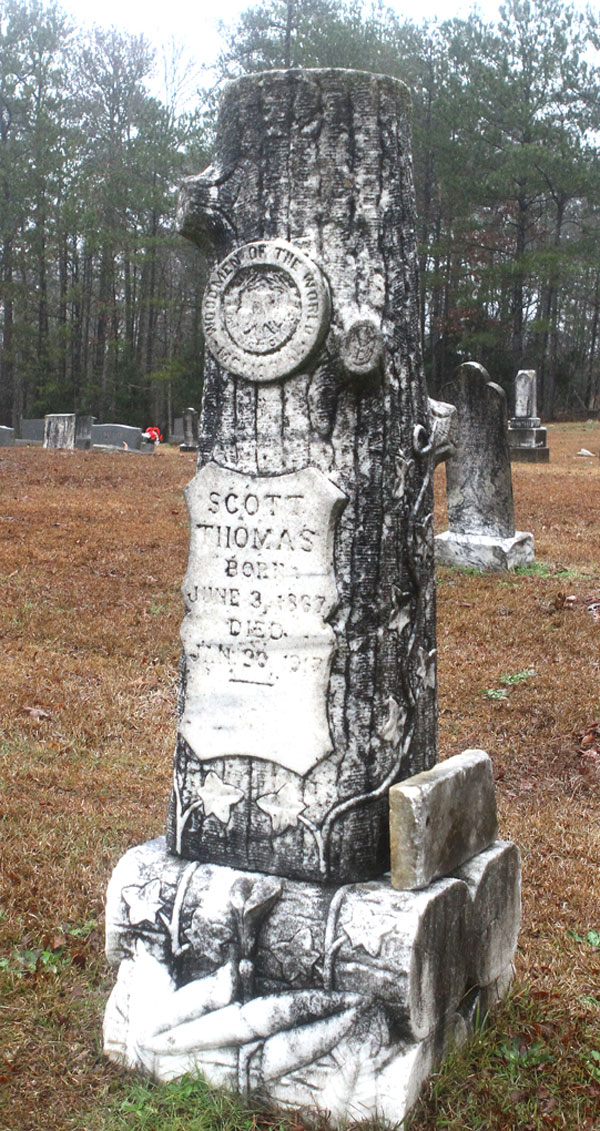
Seddon Cemetery

A modern tale of historic survival

Story by Carol Pappas
Photos by Jerry Martin

It would be more than a decade before the young, upstart town known as Pell City would be incorporated to its west. Riverside lay to its east. In the middle, thrived the timber town of Seddon. Population: 500.
The year was 1880 when Seddon Community was established — Georgia Pacific Railroad System to its north and the Coosa River on its southern side.
Named for Thomas Seddon, the first Secretary of War for the Confederate States under President Jefferson Davis, its place in Alabama history is well-rooted.
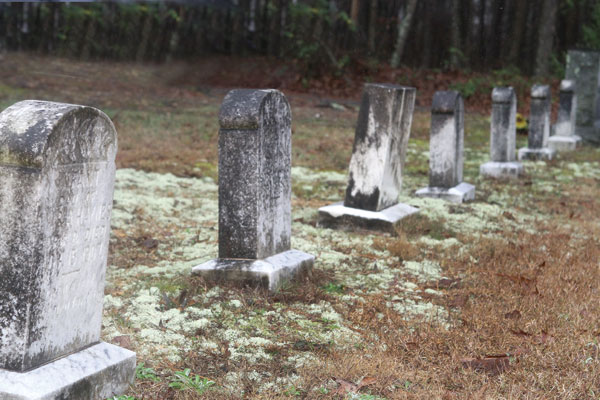
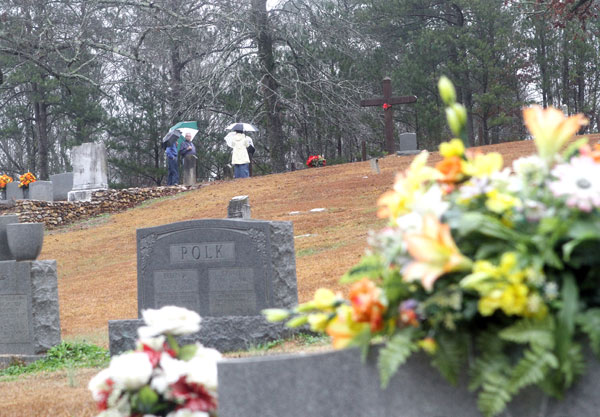
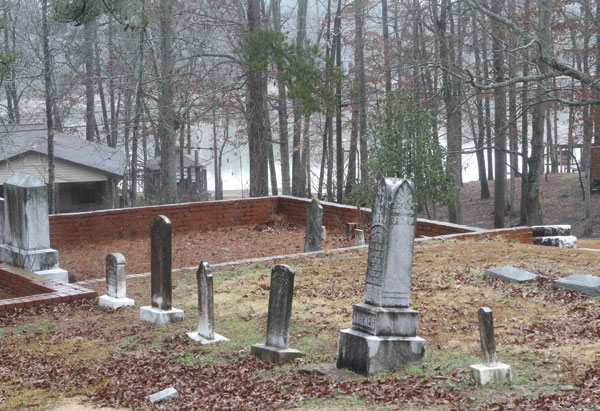
But the Seddon of today is little more than a shoreline on Logan Martin Lake, its most prominent remnant, the Seddon Cemetery that stands above it on a hillside.

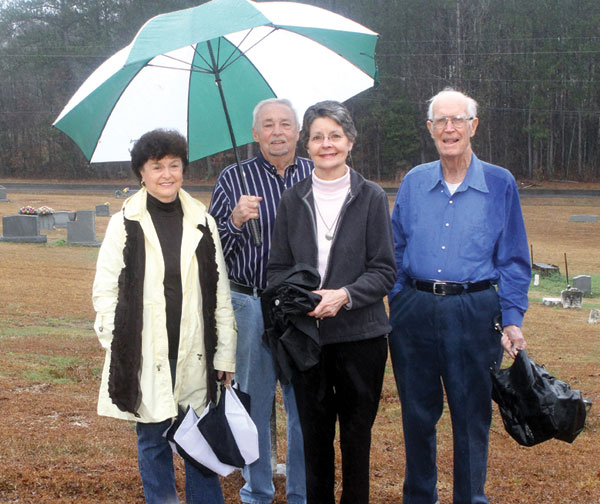
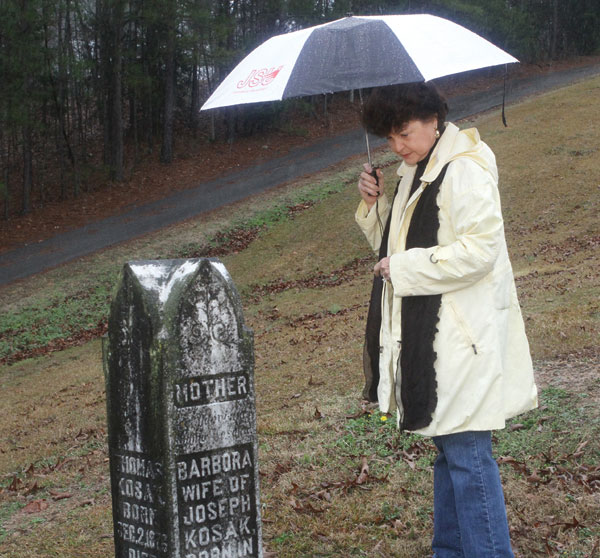
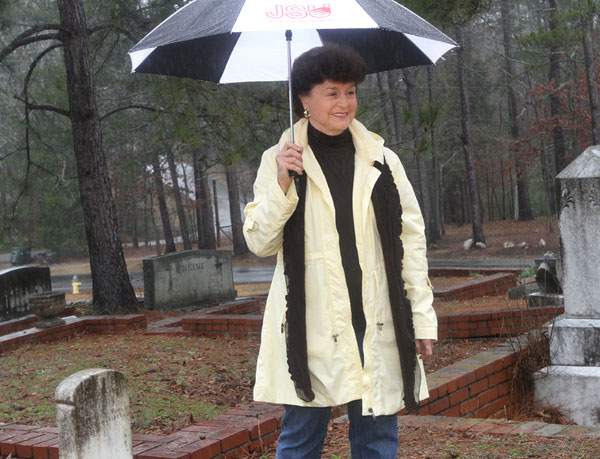
Jimmie Nell Miller calls Seddon Cemetery, “A Survivor of the Flood Waters,” and she probably knows its history more intimately than most. She should. She has invested months into research and gathering supporting evidence to have the Pell City cemetery listed on the Alabama Register of Historic Cemeteries.

In October, her quest was successful. It joined only one other cemetery in St. Clair County, referred to as the old Pell City Cemetery, on the prestigious list of only 548 across Alabama.

“It has gotten me into a lot of history of the area I never would have gotten into, that’s for sure,” she said, noting that six generations of her own family are buried there. Her husband, Ray, serves as chairman of the board of trustees for the cemetery, and the couple along with others, are working to preserve it — and its history — for the future.

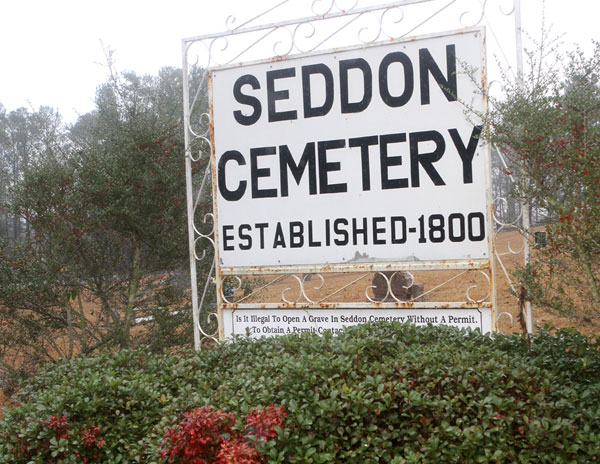
As you enter the cemetery, a nondescript black-and-white sign proclaims, “Seddon Cemetery — Established 1800.” The earliest legible marker is from 1840, some 40 years before the town of Seddon was founded.

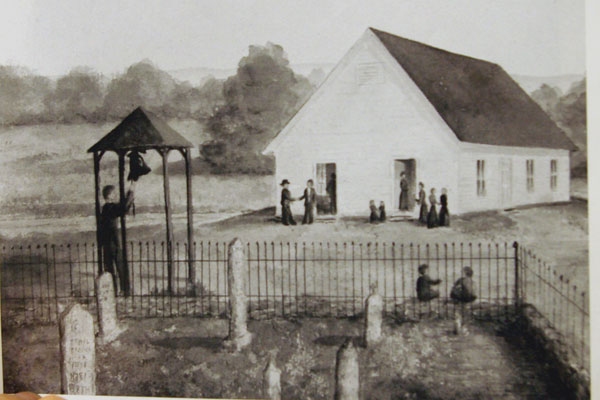
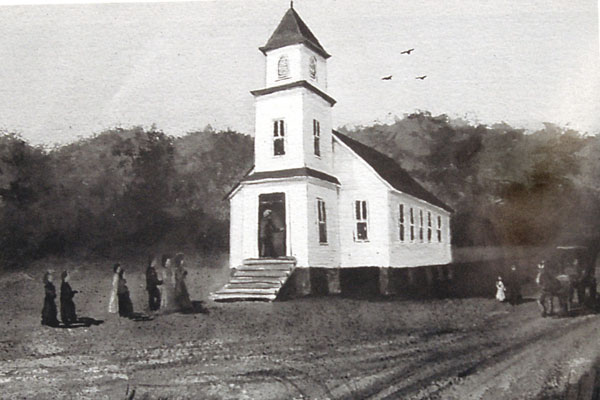
In the narrative supporting Seddon Cemetery’s inclusion on the historic list, Mrs. Miller talks of the town’s history. “There were two churches built in the booming Seddon community. One was Fishing Creek Methodist Church, which was located on a hill and beside it was a graveyard.”

Fishing Creek, the Millers explain, was the name of a nearby tributary on the Coosa River. Close by was Ferryville, named for the ferry that crossed the Coosa from there en route to Talladega. Eventually, it would be known as Truss Ferry, its name coming from Maj. J.D. Truss, a Confederate officer who built the ferry and for whose family Trussville was named.

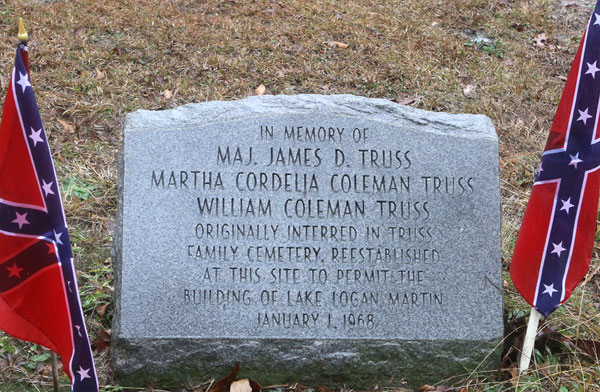
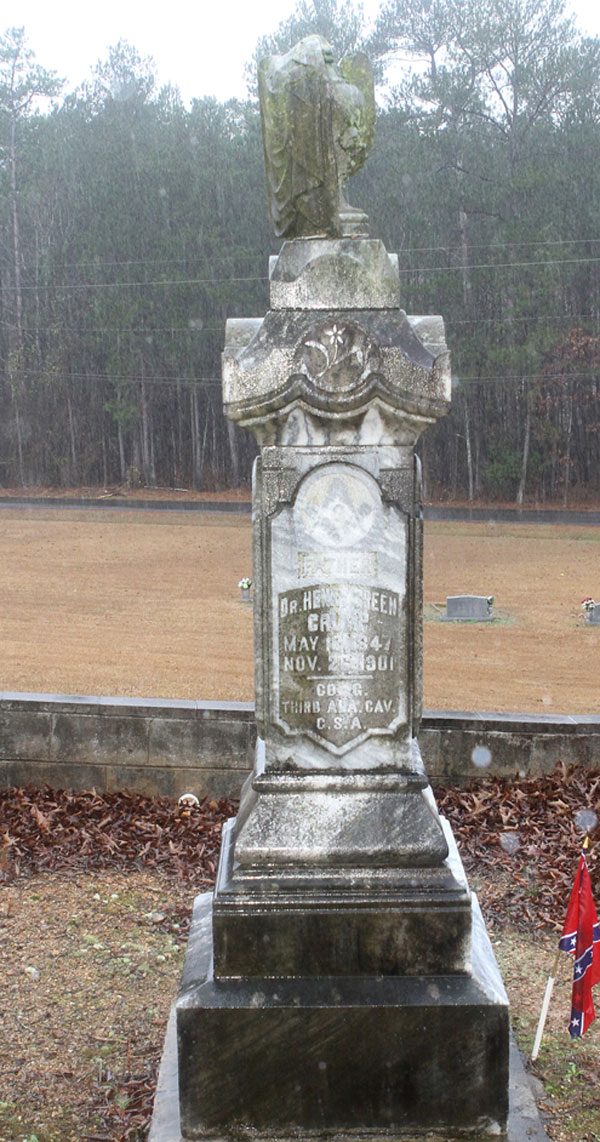
He had been a captain of the 10th Alabama Infantry. “He and his men mustered under an apple tree in Cropwell, Alabama, then marched to Montevallo (75 miles), where they took a train to join Gen. Robert E. Lee in Virginia,” Mrs. Miller wrote. A Confederate flag marks his grave in Seddon today.

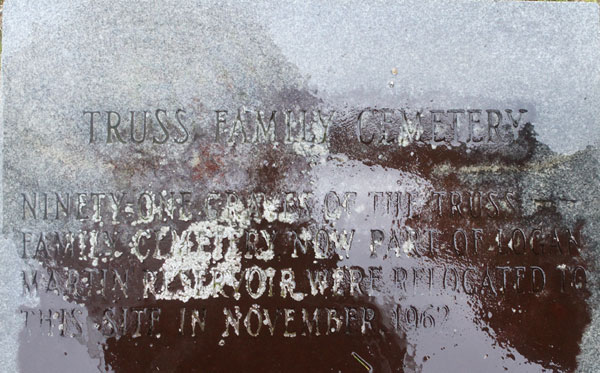
The Trusses were a prominent family in St. Clair, many of their ancestors buried in Seddon Cemetery. They were among 92 whose remains were moved to Seddon when the Truss Family Cemetery and other gravesites were to be covered by water during the creation of Logan Martin Lake in 1964.

In all, some 1,400 gravesites had to be moved to other Pell City and Cropwell cemeteries to survive Logan Martin’s flood waters, just like Seddon. Homes and buildings were taken down to their foundation to make way for the lake as well.

As she tells the story, Mrs. Miller pores over documents provided by Alabama Power Co., which built the lake, noting how gravesites — marked and unmarked — were moved to neighboring cemeteries to be spared by the flood. Coosa Valley Cemetery, located in the Easonville area, experienced a similar fate with graves moved from an old part to a new one. But some of those buried at Coosa Valley were moved to Seddon as well.

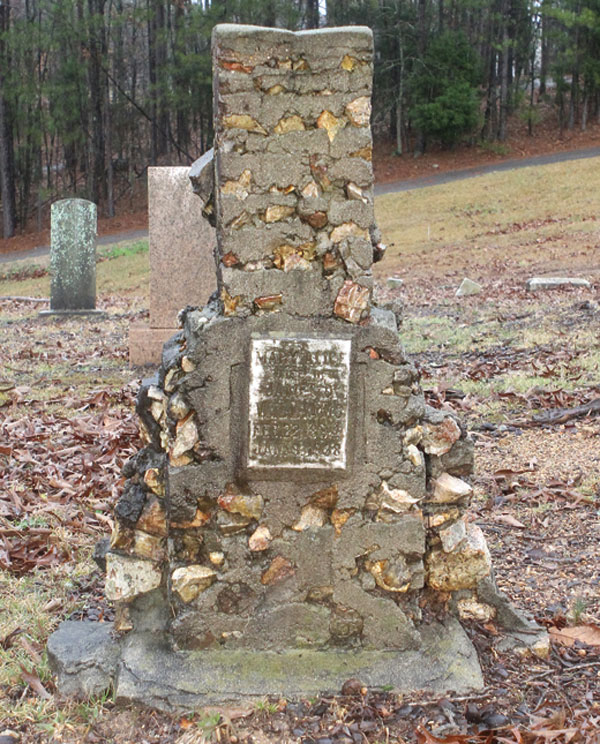
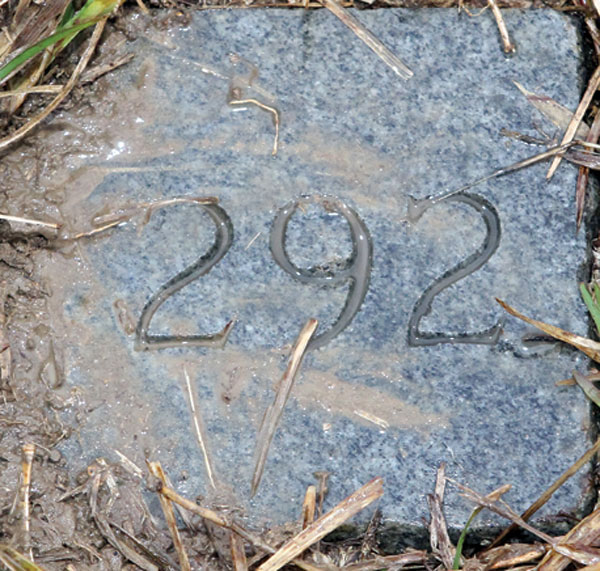
Detailed reports from an Aiken, S.C., mortician note the number of graves moved on a single day, the grave number and name, if available, new number and location of the grave and even the weather that day — fair or cloudy. Many of the graves are unmarked, and older citizens tell stories of playing in the cemetery as children and remembering gravesites marked only with a rock or brick, Mrs. Miller said. Their stories are lost, but an effort to preserve the cemetery is aimed at protecting the rest.

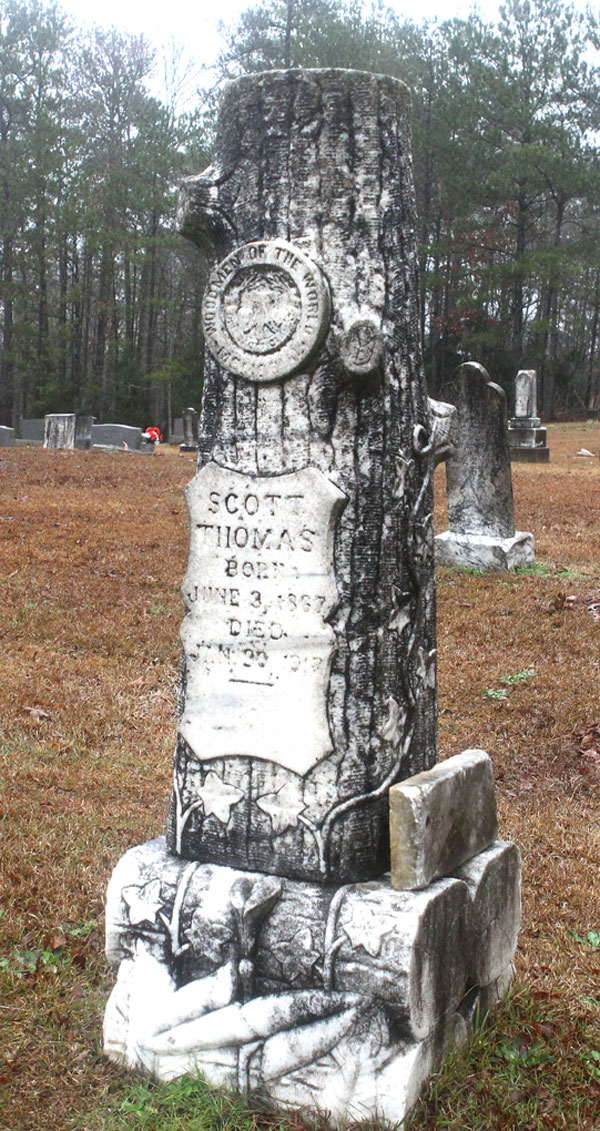
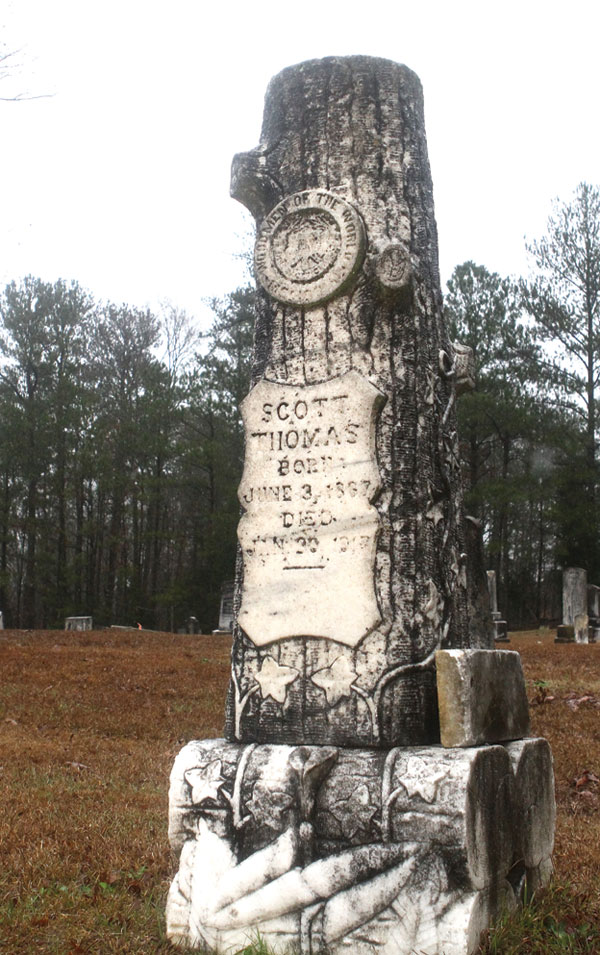
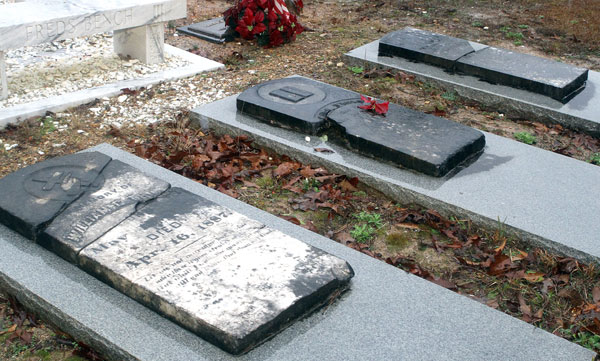
Walking among the markers today is like turning the pages of a history book. Buried at Seddon are veterans of the Civil War, World War I, World War II, Korean and Vietnam wars.

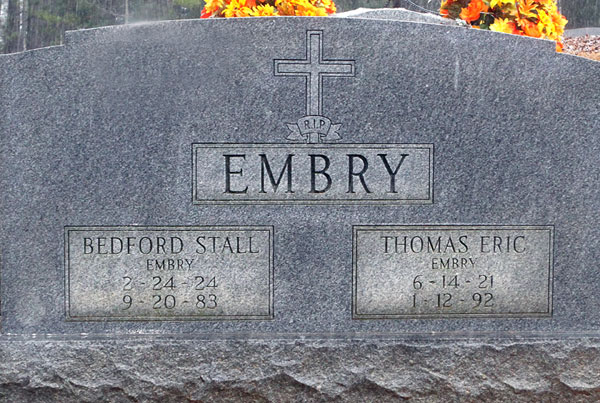
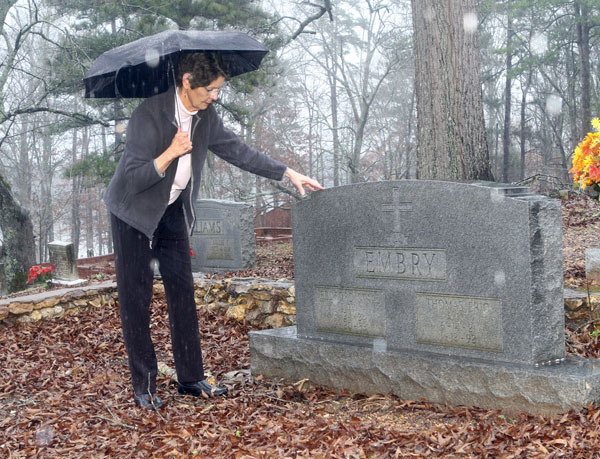
The late Alabama Supreme Court Justice Eric Embry is buried there as is his father, Judge Frank Embry, who served in the Alabama House of Representatives. They are the only father and son to sit on the same Supreme Court panel — Eric as justice and Frank in a supernumerary post. Eric’s niece, Isabella Trussell, is one of those on the board of trustees seeking to preserve the cemetery so the memories of those buried there can truly be eternal.

As a lawyer in the 1960s specializing in civil law, Eric Embry was retained by the Saturday Evening Post, CBS and New York Times. The Times case led to the historic Sullivan Decision, still a key precedent in arguing Constitutional law for Freedom of the Press. Frank Embry not only served in the Legislature, he was a two-term mayor of Pell City and a councilman. As a circuit judge for Blount and St. Clair, he was appointed along with two other judges to intervene in the Phenix City racketeering scandal of 1954, where hearings struck down local elections.

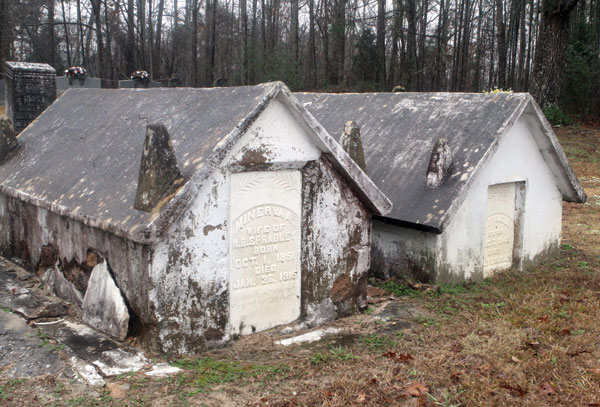
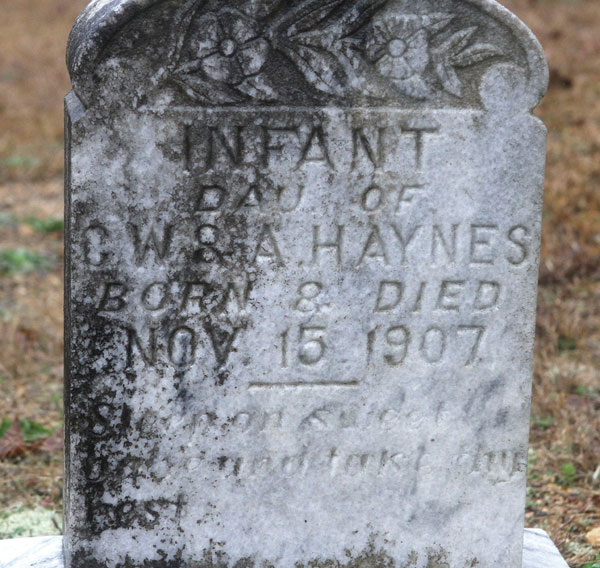
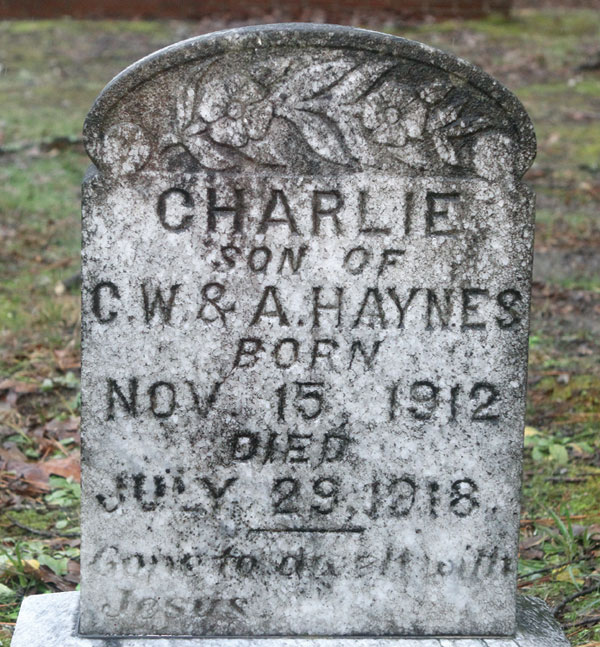
The old monuments hint at when the plagues came through Alabama. One family lost a child every year for seven years. Seven little monuments in a row mark the tragedies.

Preserving the past for future

The Millers and other volunteer trustees of the cemetery don’t want to see this precious history lost. There were no provisions for perpetual care, and they are working toward charity status to receive tax-free donations.

The only sources of income are lot owner donations and fund drives. Land has been added to the original cemetery, and plans call for future expansion if funds become available.

An application has been made for an historic marker to be erected at the cemetery, which will say:

SEDDON CEMETERY
Established — early 1800s
Seddon Cemetery is recognized
as having historical
significance in this area
and is added to the
Alabama Historic Cemetery
Register by the
Alabama Historical Commission
October 17, 2012

“Seventy years ago, there was still a lot of interest in Seddon Cemetery with memorial days and ‘dinner-on-the-ground’ events, all centered around the cemetery,” Mrs. Miller said. “Since then, there has been a slow and steady decline of interest due to the old families dying off and their younger generations either moving away or having no interest in keeping up old traditions.

“I could foresee the humble little cemetery and its 200 years of local history becoming grown up and forgotten,” she said.

Her husband agrees, and that’s why he is working to save it for the future. “Many members of St. Clair County’s prominent pioneer families are buried in Seddon Cemetery. These people were instrumental in helping make St. Clair County the vibrant, successful county it is today.” They deserve a final resting place that is “dignified and well maintained.”

Calling it a “huge first step,” Mrs. Miller noted that the cemetery’s inclusion on the Historical Cemetery Register should help in gaining interest and funding “to preserve this site for generations to come.”

Lovejoy Slingshot Hunt

Creating a most unusual tradition

Photos by Jerry Martin

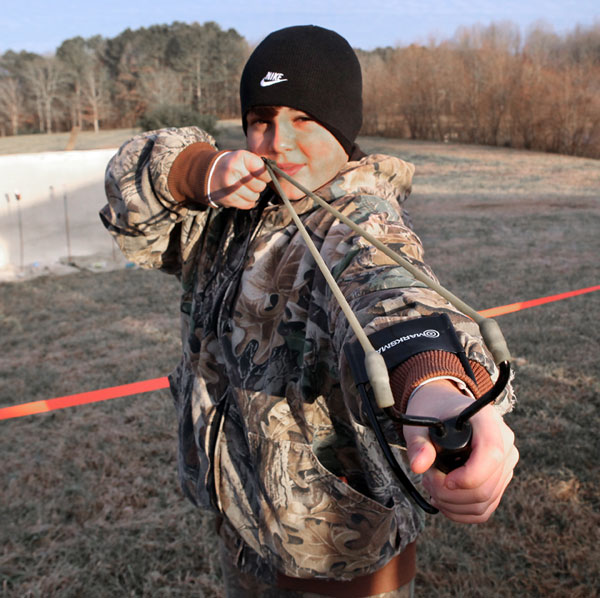
The T-shirt peeking out from the opening of the camouflage jacket read: “Alabama: So Many Squirrels. So Few Recipes.”

If you’re making such a fashion statement and others are envious of your attire, chances are that you are participating in the annual Lovejoy Slingshot Hunt.

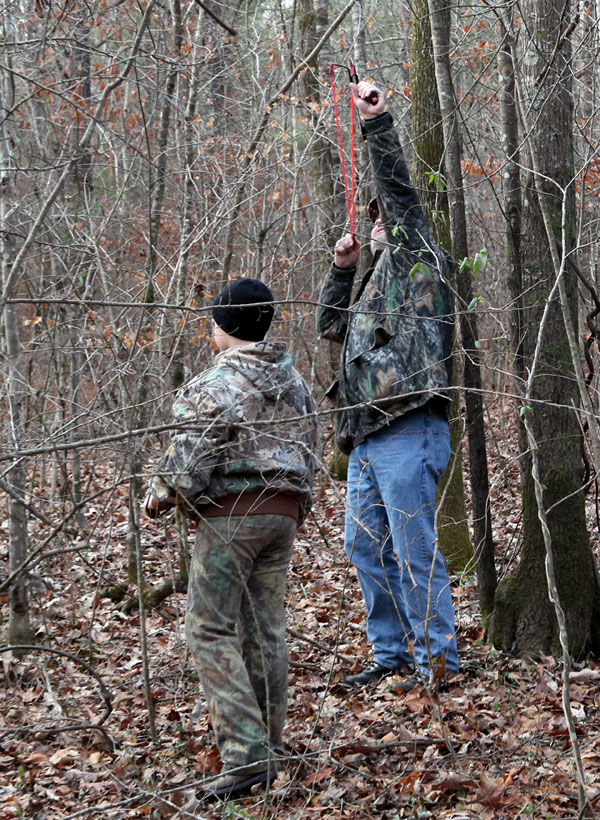
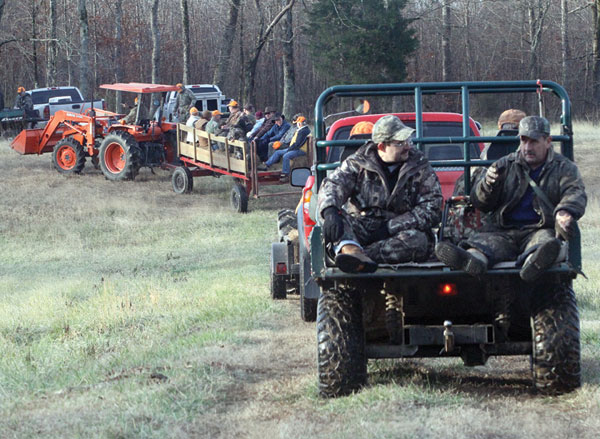
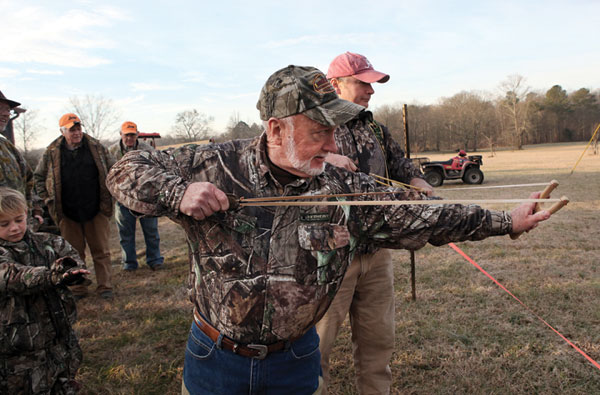
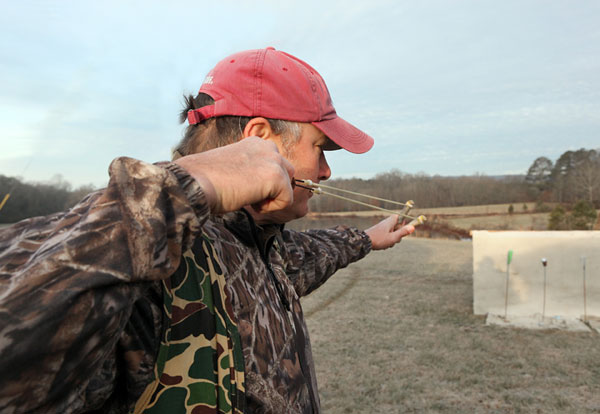
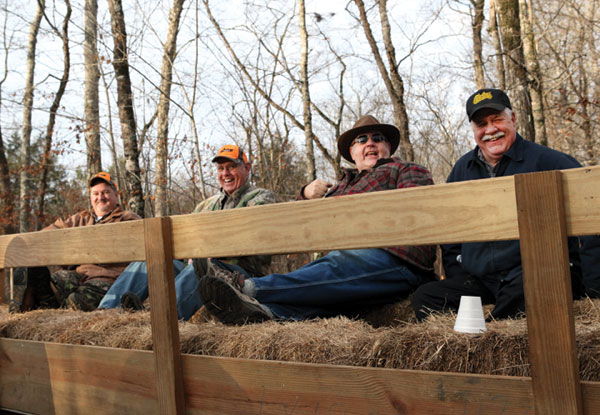
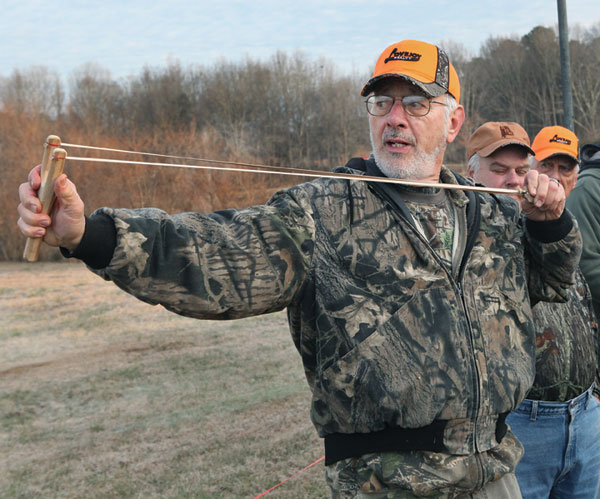
This most unusual family reunion/good ole’ boy gathering features men and women, adults and children hunting squirrels with nothing more than slingshots. Participants from across Alabama and the South come to Lyman Lovejoy’s farm in Ashville each year to witness the decades-old family tradition firsthand.

The annual event has been celebrated for 38 consecutive years, and it continues to grow in popularity thanks to nationwide publicity in major outdoors magazines like Outdoor Life and Southern Outdoors. The annual hunt has been featured on outdoor television shows across the Southeast as well as on the ESPN and Mossy Oak websites. The news of the Lovejoy family being so deadly with their slingshots has appeared in hunting blogs as far away as England.

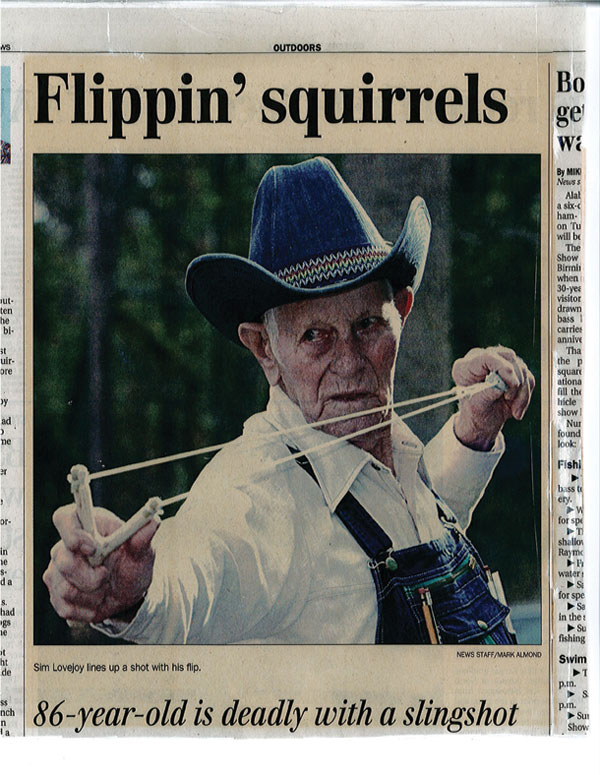
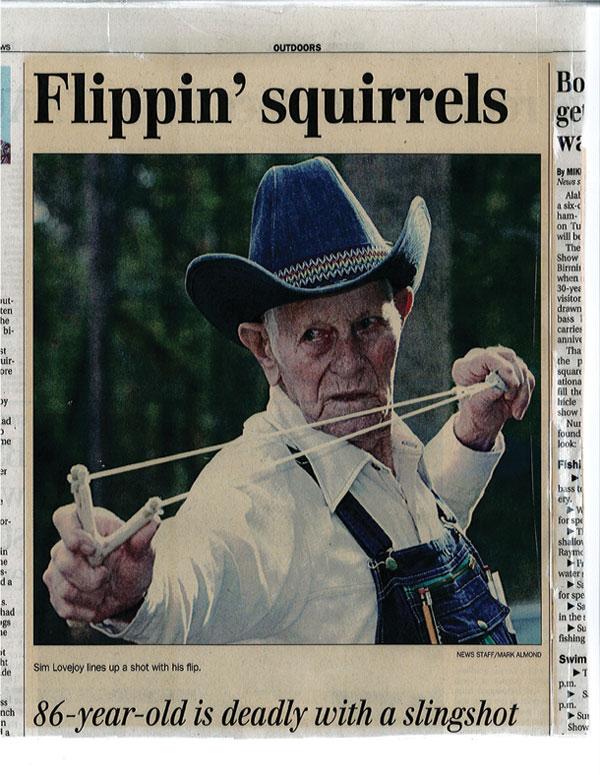
“It can all be traced back to my dad, Sim Lovejoy,” Lyman Lovejoy explained. “He was one of 16 children in a family that couldn’t afford a shotgun when he was a young boy. They hunted with slingshots to put food on the table in those days.”

Sim Lovejoy, who passed away in 2006 at the age of 92, was known for both his expertise with a slingshot and his handshake that would crush bones. Folks who had the opportunity to hunt squirrels with the patriarch of the family knew better than to refer to their weapons as slingshots.

“Don’t be telling nobody that this is a slingshot,” Sim Lovejoy was quoted saying in a 2001 Birmingham News article. “A slingshot is what David used to slay Goliath. This is a flip. Everybody calls them slingshots, but they are really called flips.”

Webster’s Dictionary doesn’t really agree, but what does it know about hunting squirrels in St. Clair County with such a crude weapon? Webster defines a slingshot as a “forked stick with an elastic band attached for shooting small stones, etc.” Under “flip” in the dictionary, nowhere does it mention a flip being a weapon. When that was explained to Sim Lovejoy once, he just scoffed.

“If you don’t flip it forward at the end of a shot and you let one of those steel ball bearings hit your finger or your thumb you’ll understand why it is called a flip,” Sim Lovejoy said with a laugh.

Most of the Lovejoy kinfolk are excellent marksmen with their slingshots, but none have ever reached the iconic status of Sim Lovejoy.

“He was a legend by age 7,” Lyman Lovejoy said. “By that age he was already shooting running rabbits and squirrels running in trees.”

Sim Lovejoy continued to hunt with his slingshot until 2005, a year before his death. At age 91 he was still mowing down targets from 35 feet away and knocking holes in soft drink cans tossed into the air.

Sim Lovejoy was responsible for getting thousands involved in the hobby he so enjoyed. His family estimates that he made as many as 10,000 slingshots for others in his lifetime.

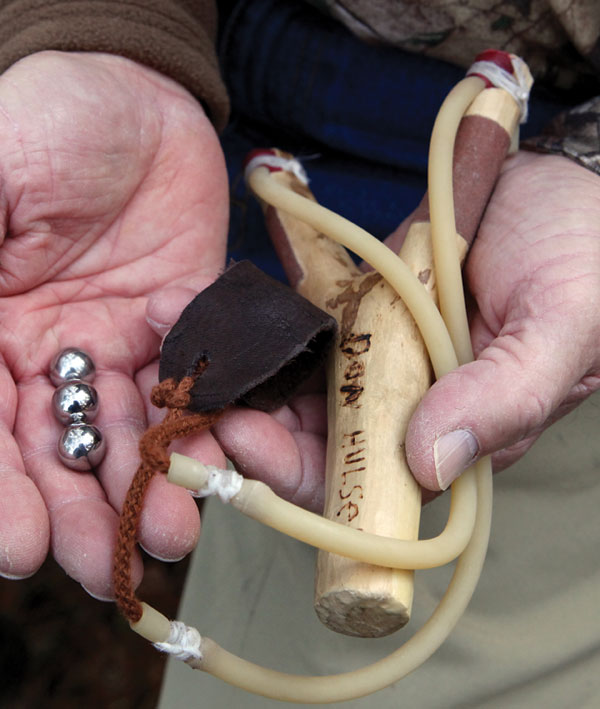
Among the crowd at this year’s hunt was Donald Hulsey of Odenville, a student of Sim Lovejoy’s in the art of making slingshots. Hulsey continues to find the forked sticks in the woods and whittle them to hand size to make them for anyone interested in having one. It’s yet another way of carrying on the tradition.

Sim Lovejoy was just a local legend most of his life until 2000 when a Birmingham News story featuring him went world-wide via the Associated Press.

“TV news crews and newspaper and magazine writers came out of the woodwork,” Lyman Lovejoy said. “He got calls from Alaska and Missouri and everywhere else from people who wanted a handmade Sim Lovejoy slingshot. He made a slingshot for every one of them and never charged a penny.”

Sim Lovejoy was buried in his trademark overalls with one of his slingshots in his bib pocket. Never once did the family consider ending the annual event following his death. They now use the event as a tribute to the man who started it all. “We wouldn’t have dared ending the hunt when he died,” Lyman Lovejoy said. “It definitely isn’t the same without him, but Dad would have wanted us to carry on.”

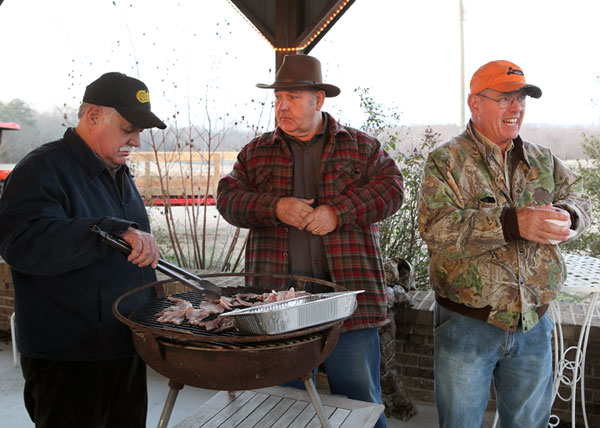
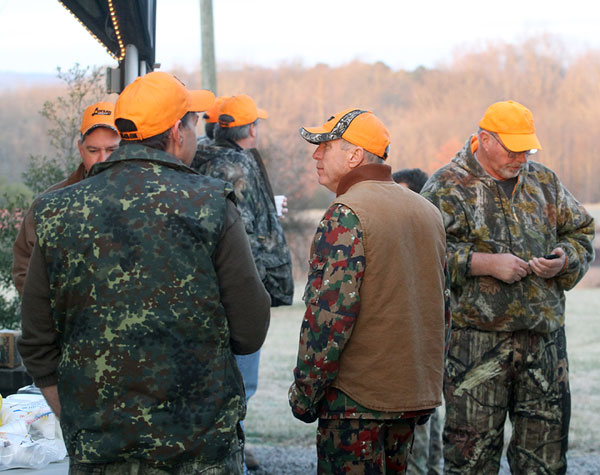
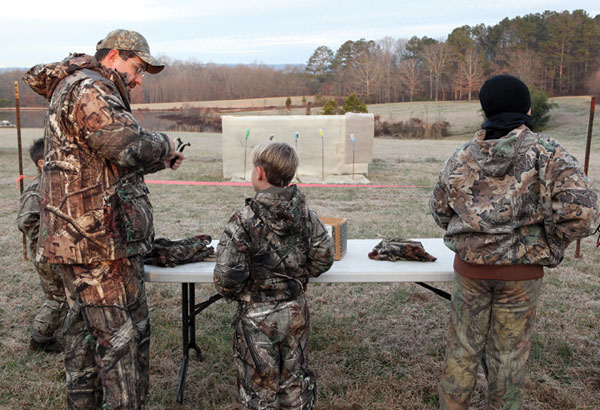
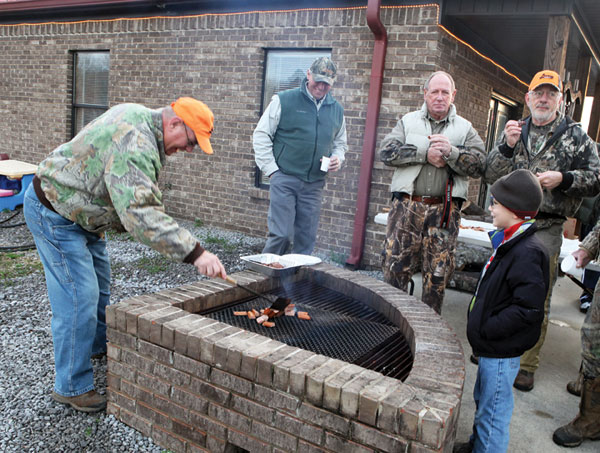
The annual hunt draws as many as 100 participants and features breakfast and lunch cooked over an open pit. It draws all walks of life, including judges, lawyers, bankers and just the plain curious. Many bring their kids or grandkids to give them a glimpse into how hunting was once done in Alabama.

The Lovejoys supply the slingshots and the ammunition, which consists of ½-inch ball bearings which they specially order. The ball bearings come in 50-pound boxes, and the hunters typically go through 150 pounds of the steel balls each hunt.

It is not unusual for the hunters to kill nine to 11 squirrels on a hunt.

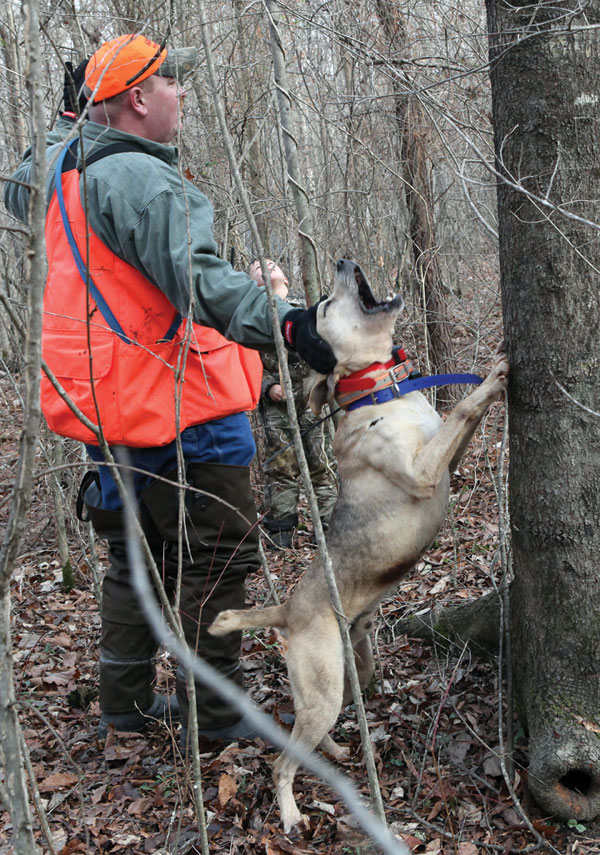
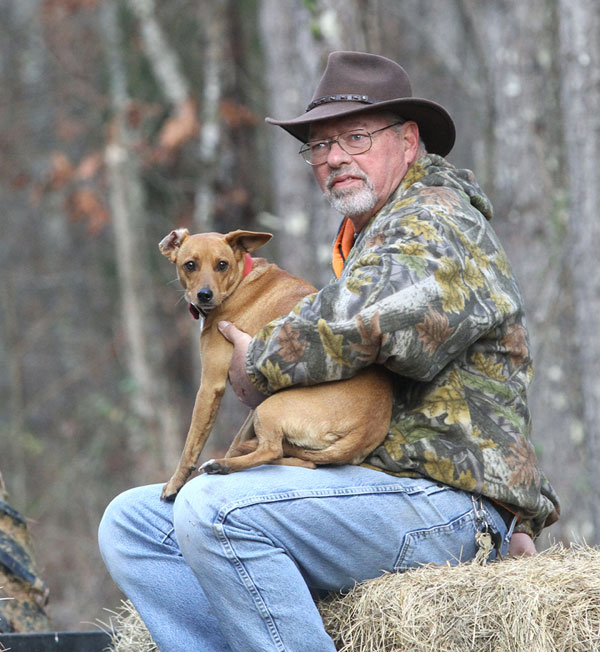
“It’s not as tough as it sounds,” Lyman Lovejoy said. “We have dogs that tree the squirrels, and when you have 70 or so people on the ground firing away at them somebody is going to nail one.”
In the beginning … Ashville

A look back at how St. Clair County got started

Story by Jerry Smith
Photos submitted
Photos by Jerry Martin

A wagon train set out from Georgia in late autumn of 1816, headed westward-ho toward Shelby County, Alabama, to settle with other recent migrants from North Carolina. Among these latest emigrants were John Ash, his wife Margaret, daughters Jane, Samita and Betsy Ann, Margaret’s parents and seven slaves.

Alabama Heritage magazine relates that in January 1817, the travelers stopped for the night at a spring in St. Clair, near the old Creek Indian town of Cataula. Once encamped, the family decided to explore a bit by driving their wagon down an Indian trail (now Beaver Valley Road). While his family was admiring the scenery, John spotted a deer and shot at it.

The noise made the horses bolt, and little 3-year-old Betsy Ann was thrown from the wagon. She died from her injuries a few days later. Understandably, everyone in the wagon train was totally devastated.

Although Shelby County was not far away, the Ash family decided they could never drive off and leave their daughter buried alone in the wilderness, so they bade farewell to their fellow pilgrims and settled in.

Margaret’s father, the Rev. Thomas Newton, built a dogtrot cabin near Betsy Ann’s grave. Now known as the Ash-Newton Cabin, it’s listed as the oldest standing house in St. Clair County.

John Ash was the first white man to officially settle in the area. He homesteaded some property in 1817, acquired legal title in 1820, and built a fine, two-story home which still stands, albeit in pitiful condition, just 1.5 miles west of the present-day junction of US 411 and US 231.

John became the county’s second judge, served three terms as state senator, and still found time to sire and support a family of 15.

In History of St. Clair County, historian Mattie Lou Teague Crow relates that, when organized in 1818, St. Clair County “… reached to the Cherokee Nation, well beyond what today marks the city limits for Attalla and Gadsden.”
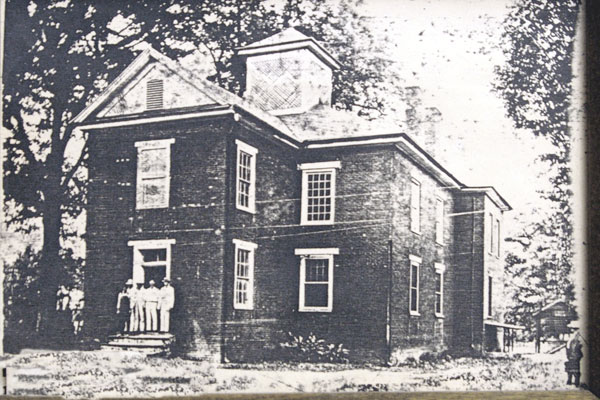
Thus, the new city of Ashville would fall near the exact geo-center of St. Clair, making it an obvious choice for a future county seat. The first courts, according to Crow, were held at the home of Alexander Brown, near the Indian village of Littafuchee, about four miles south of present-day Ashville.

The town itself was established on a huge land patent granted to a local investor, Philip Coleman, who laid off a plat map of some 30 acres, including a courthouse square. First known as St. Clairsville, the town was incorporated shortly after Alabama became a state in 1822, and its name was changed to honor its founder, John Ash.

In 1823, Coleman sold Ashville for $10,000 to its five town commissioners, which included Ash. By the following year a log courthouse and jail had been built, not on the square, but across the street, because they were meant to be temporary structures. Nevertheless, these log buildings stayed in use until 1844, when the present day courthouse was built on the square. Crow tells that, until then, the square was used as a “village green” for socializing, horse hitching, local produce marketing and an occasional hanging.
One of the most impressive additions to Ashville was the Dean/Inzer house. Built in 1852 by Ashville merchant Moses Dean, the beautiful Greek Revival home became occupied in 1866 by John Washington Inzer, who would have a marked influence on the development of Ashville, St. Clair and Alabama.

Like Ash, Inzer was a vibrant, ambitious man. Born in 1834 in Gwinnett County, Georgia, his family eventually moved to Eden, near Pell City. At age 20, Inzer studied law, was admitted to the Alabama Bar one year later, and moved to Ashville to practice his profession in 1856. At the ripe old age of 25, John Inzer became St. Clair’s probate judge.

In 1861, he represented St. Clair in the Secession Convention, which was held to decide if Alabama would secede from the Union. Only 27 years old, Inzer was the youngest man to attend this convention, and was the last surviving delegate at his death 66 years later.

John had voted against secession, but like many of his day, willingly joined the Confederate Army. He was quoted as vowing, “… if Alabama should secede … I would go with her and stand by her in every peril, even to the cannon’s mouth.”

From the rank of private, he quickly rose to lieutenant colonel in the 58th Infantry Regiment and served in many bloody battles, including Corinth, Shiloh and Chickamauga.

Taken prisoner at Missionary Ridge, Inzer was held at Johnson Island in Ohio for 18 months. His journal reads, “The Yankees here guarding us have been keeping up a regular fire on us a large portion of the time since we came here. … Such shameless cowards the Yankees are.”
Colonel Inzer’s strength, boldness and intelligence had not gone unnoticed by his enemy. During Reconstruction he was again appointed probate judge, this time by the Union, then later reappointed by popular vote. He became a state senator in 1874 and again in 1890.

Inzer was a trustee of Howard College when it was originally located in Marion, Alabama, serving in that capacity until after the college moved to East Lake in Birmingham. Howard College is now in Homewood and known as Samford University.

A tireless public servant, Inzer was a also a trustee for the Alabama Insane Hospital in Tuscaloosa, later known as Bryce Hospital, and served as Judge of the 16th Circuit Court in 1907-1908.

Colonel/Judge/Senator John Inzer, also known as the Grand Old Man of Alabama, died in 1928 at age 93, a remarkable lifespan for that era.

He lies at rest today in Ashville’s “new” cemetery, a few hundred feet behind his home.

Members of his family occupied the Inzer home until 1987, when it was willed to Camp 308 of the Sons of Confederate Veterans. The home has been diligently restored and currently serves as a living museum in honor of Inzer and his beloved Confederacy. Mrs. Crow published Inzer’s journals as Diary of a Confederate Soldier, now available at Ashville Archives.

Notable figures in Ashville history

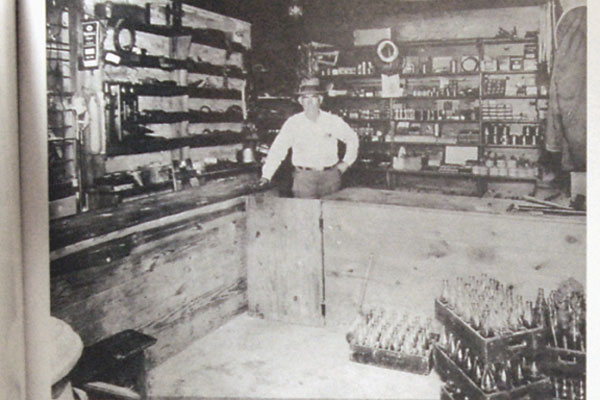
Ashville’s first merchant was Archibald Sloan, postmaster and proprietor of a mercantile business on Lot 22 of the new town. Others quickly followed, including merchants, lawyers, doctors, preachers and teachers. Ashville’s first school was established in 1831 as Ashville Academy.

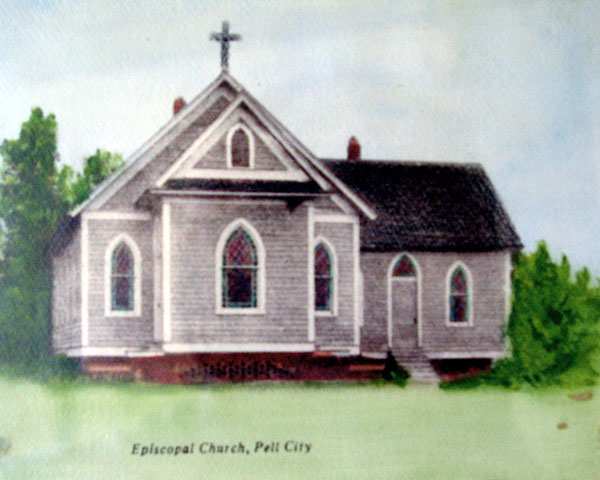
According to Crow, the Academy’s host building was known as Mount Pleasant Meeting House, also shared by Methodist, Presbyterian and Baptist congregations. There was a Methodist church in Ashville as early as 1818, well before the town had a name. Now known as Ashville United Methodist, among its early congregants were many names familiar to St. Clair historians, such as Byers, Robinson, Cather, Box, Embry and its circuit-riding minister, O.L. Milligan.

The two-story Masonic Lodge building, built for Cataula Lodge No. 186, was later used jointly by this Methodist congregation and by the Masons until 1892. The lodge building has an incredible history of its own, having been moved across town twice when its space was needed for other buildings. Both moves were momentous occasions to the townsfolk.

The Baptists built their own sanctuary in 1859, across the road from the Meeting House. Among its clergy were James Lewis, Hosea Holcomb, Sion Blyth and Jesse Collins. The sanctuary was built by Littleton Yarbrough, the same man who designed and built the courthouse and town jail.

According to Mrs. Crow, Yarbrough cut its timbers from his own plantation, hand-planed and shaped each board, hauled it all to the site by ox wagon, and assembled the entire church without a single nail or screw by using hand-carved wooden pegs. Each peg was marked by a Roman numeral matched to its hole.

The Presbyterians built their own edifice in 1879, the Cumberland Presbyterian Church, now a Church of Christ. Its congregation and founders included Rogans, Curriers, Newtons, Fulghums, McCluneys and Oldhams.

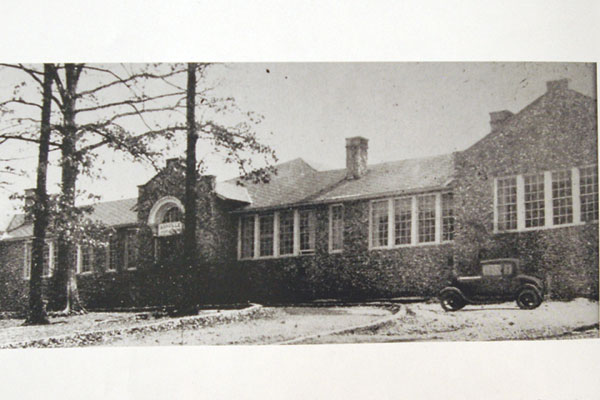
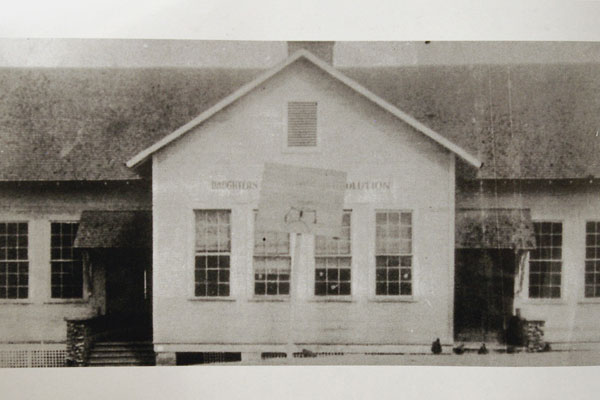
When these churches vacated the Academy building, a new school was built in another part of town. John and Lydia Hardwick Vandegrift bought the old building, moved it across town, and converted it into a fine dwelling. Ashville Academy became St. Clair College in 1896 and Ashville High School in 1910.

Mrs. Crow wrote that during Reconstruction after the Civil War, all St. Clair Episcopal churches were closed under martial law because Bishop Richard Wilmer had refused to pray for the President of the United States.

Ashville comes of age

Ashville remained a fine little settlement during its maturing years, according to retired Judge Charles E. Robinson. He tells that, during his childhood, he and his buddies would freely roam around town from early morning until dusk. In fact, he credits his chats with old folks and local lawyers for much of the wisdom he later used on the bench.

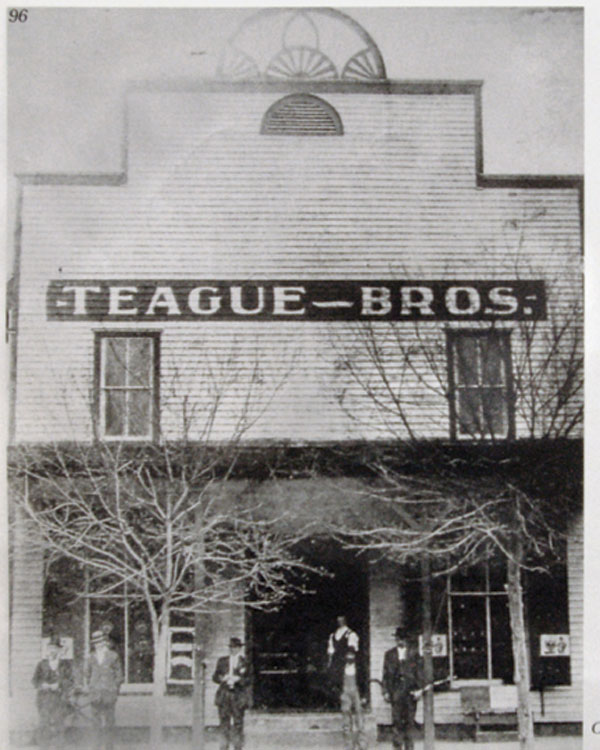
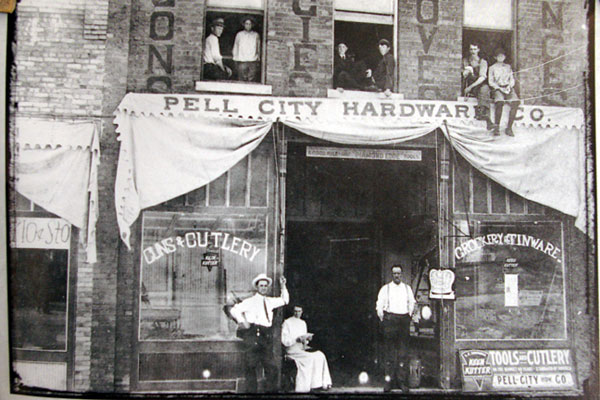
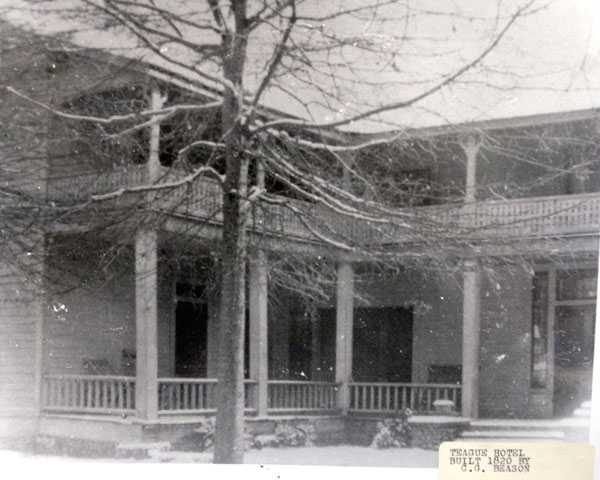
Charlie and his cohorts were an inquisitive band, seeking out adventure at every turn, often spying on gypsies who had camped nearby, and sometimes watching the town drunk in the throes of DTs. Robinson said they routinely visited several homes around mealtime and ate where the food looked best. The boys also frequented Teague Hardware and Teague Hotel, as Robinson is related to that family.

Judge Robinson comes from a St. Clair pioneer family of judges and lawyers, and he and son Charles Jr. have a law office in Ashville, where they now serve as third- and fourth-generation attorneys. His father served in the state Legislature in the 1940s, and his namesake grandfather was a US attorney around the turn of the century.

He describes a place northwest of Ashville where his grandfather grew up, called Robinson Hill by the locals, “… There was a fine spring about 250 feet up that mountain. It had a concrete trough which fed water all the way down the hill to the house, where it collected in yet another large trough. … There was a dipper hanging beside it for drinking water. … The overflow ran into a livestock corral, then Lord knows where it wound up.” He adds that his grandmother would catch fish in Canoe Creek, keep them in the trough, then dip out a few when they wanted fish for supper.
Robinson says when his father was practicing law, the courthouse had no air conditioning. During high-profile trials, local folks would congregate outside its open windows to eavesdrop on the process of justice. He also tells of a place just southwest of town called Gallows Hill, where hangings were once held.

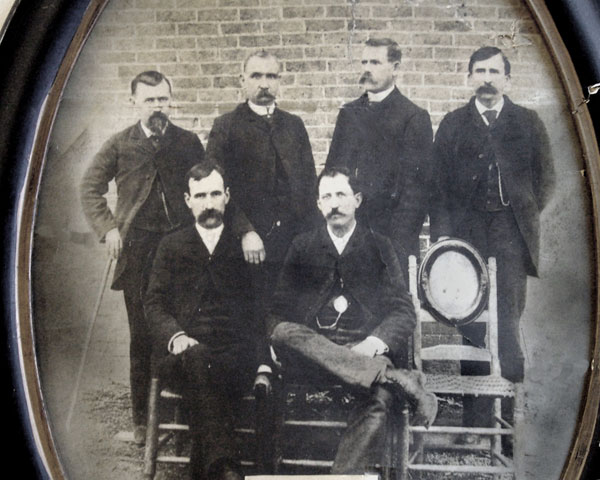
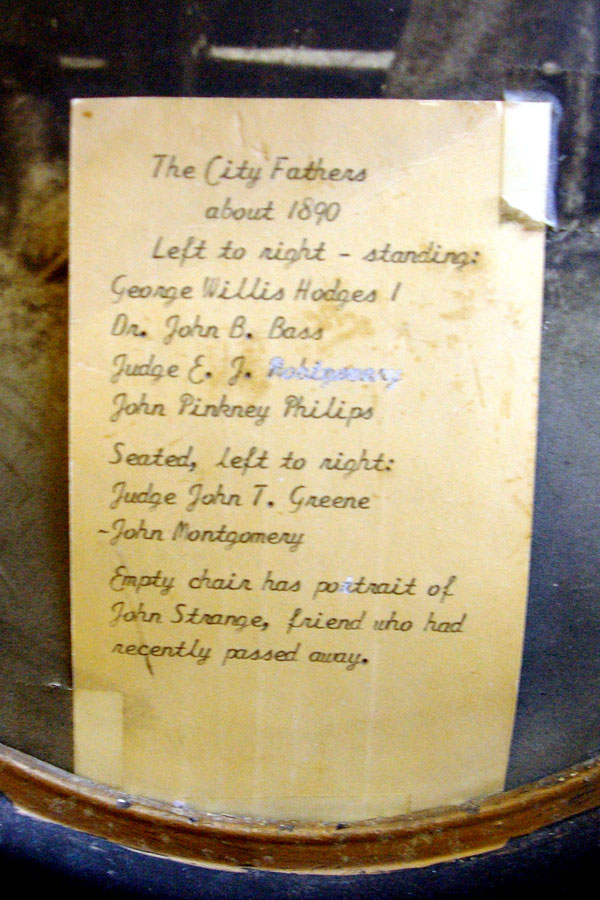
Among prominent early Ashville family names known to the judge are Glidewell, Davis, Frazier, Adkins, High, Sullivan, Bowlin, Montgomery, Philips, Embry and Cobb, many of whose descendants are still in the area. Other sources list Ramsey, Tucker, Hodges, Coker and Lonergan.

The 73-year-old Robinson describes the Ashville of his boyhood as a purely-Alabama country town, where relatively few people moved in and, once there, even fewer moved away. Most local folks were farmers, although many worked in Gadsden at Republic Steel and Goodyear. He says they were all decent folks who loved the South, worked hard and respected people of all colors and walks of life.

Historic Ashville today

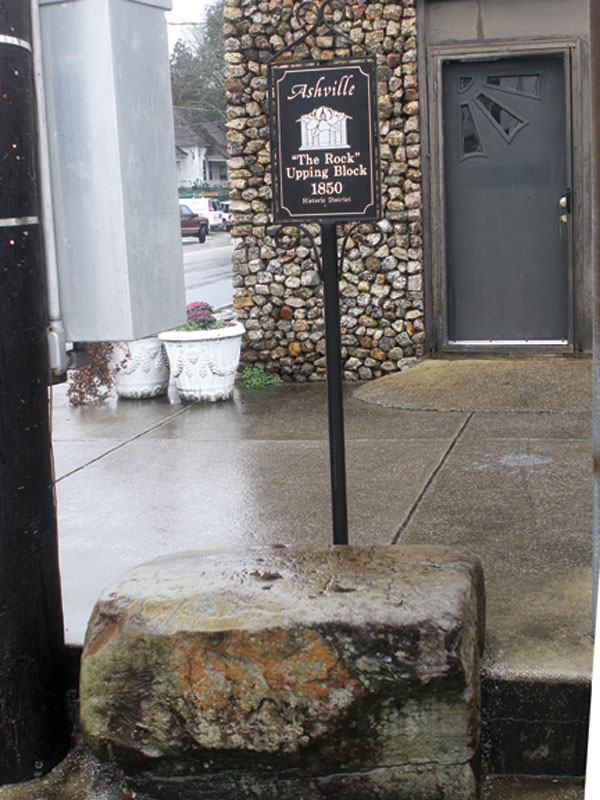
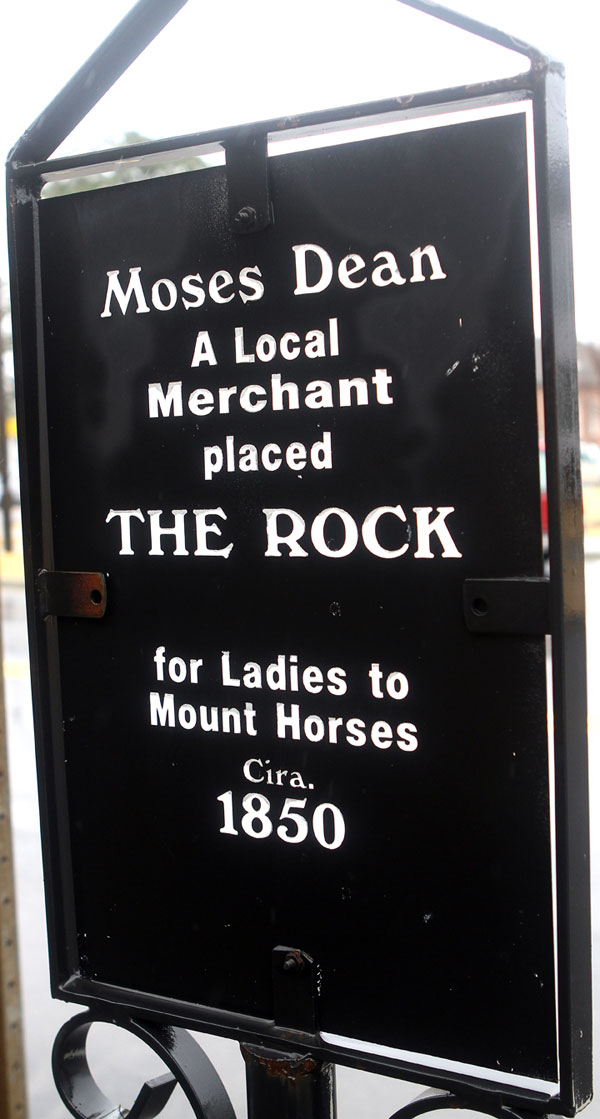
Like most small towns, local lore abounds. One of the best-known sights is the “Upping Block,” a huge, rectangular chunk of sandstone on the west side of the square that was once used as a stepping stone for ladies to mount horses, a community meeting place, a soapbox for local orators and politicians and, according to local legend, a place where slaves were once displayed for sale.
World-famous archer Howard Hill is buried in the town cemetery, where he lies beside his wife, Ashville’s Elizabeth Hodges. Hill, originally from Vincent, Alabama, did all the fancy bow and arrow work in old movies like Robin Hood, starring Errol Flynn, and other lesser-known films. His archery feats using extremely powerful English longbows of his own making are legendary and unmatched to this day.

Those who wish to pursue Ashville and St. Clair history have a great friend in Charlene Simpson, long-time curator of Ashville Archives, next to the Robinson Law Firm, facing the square. This amazing lady presides over several rooms full of documents and museum pieces. She can guide you through almost any genealogical or historical quest pertaining to St. Clair, with an unrivaled knowledge of historical resources in the area.

Today’s Ashville retains much of its mid-century look as well as plenty of scenic antebellum buildings, historic markers and other souvenirs of simpler days.

It’s well worth a visit.

Pink Passion

Friends celebrate defying odds

Survivor (ser-vahy-ver) noun:
1. Somebody who survives: somebody who remains alive despite being exposed to life-threatening danger.
2. Somebody with great powers of endurance: somebody who shows a great will to live or a great determination to overcome difficulties and carry on.

Story by Carol Pappas
Photos by Jerry Martin

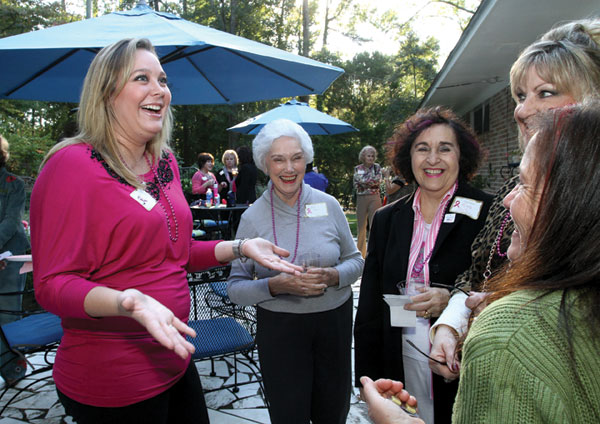
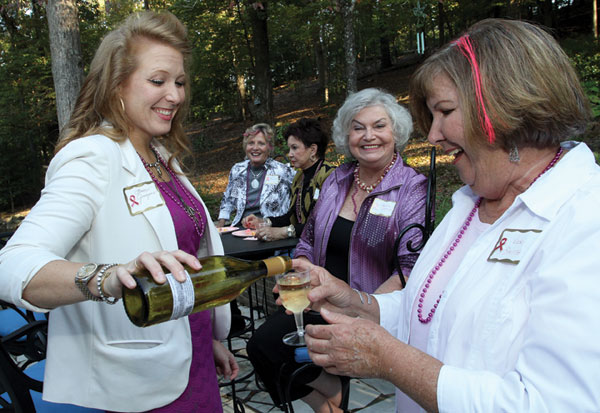
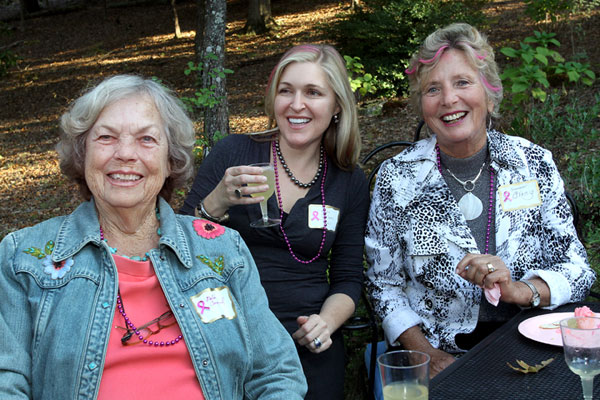
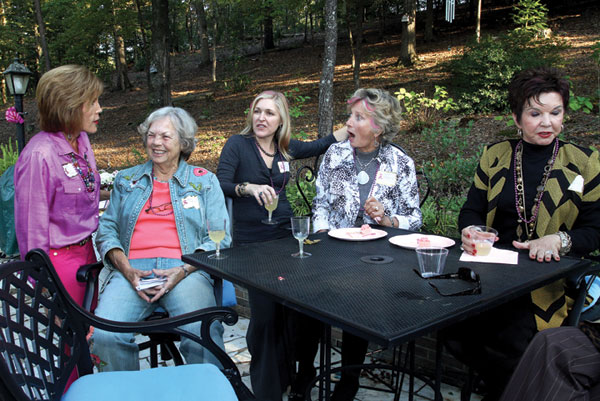
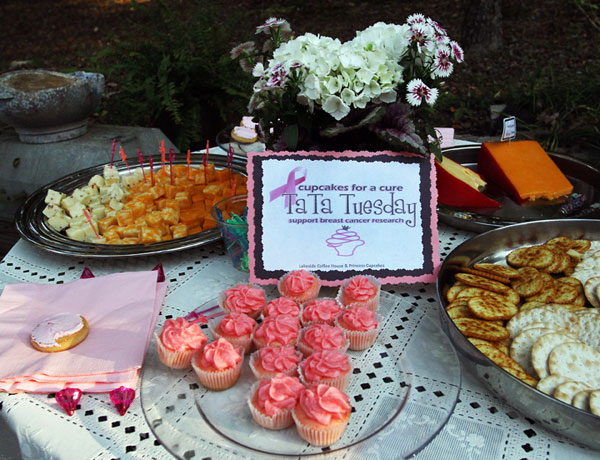
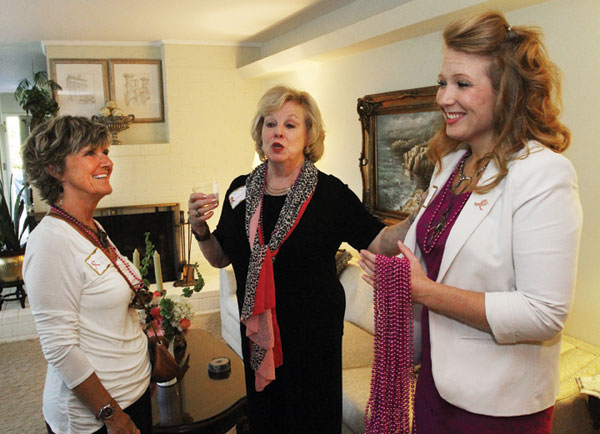
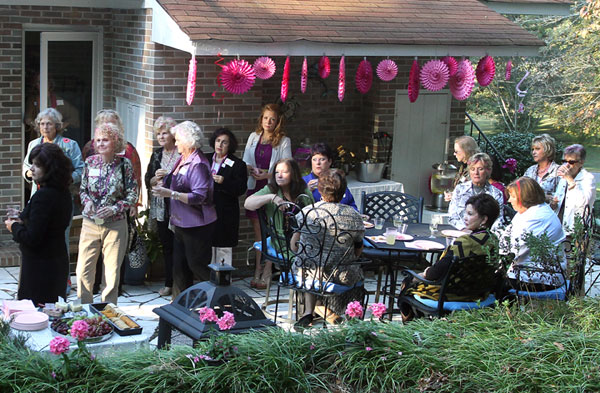
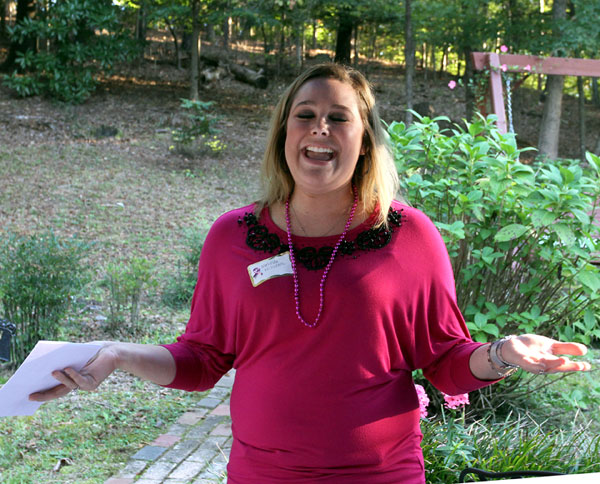
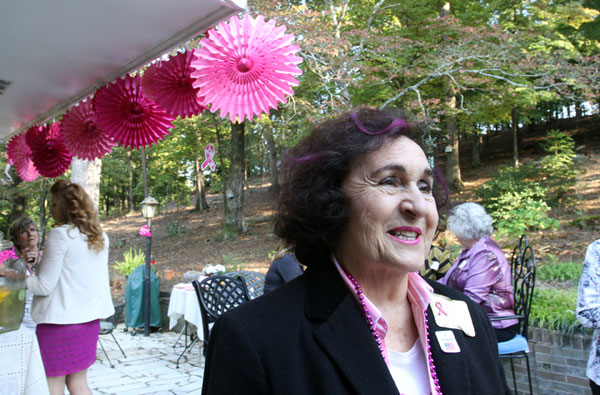
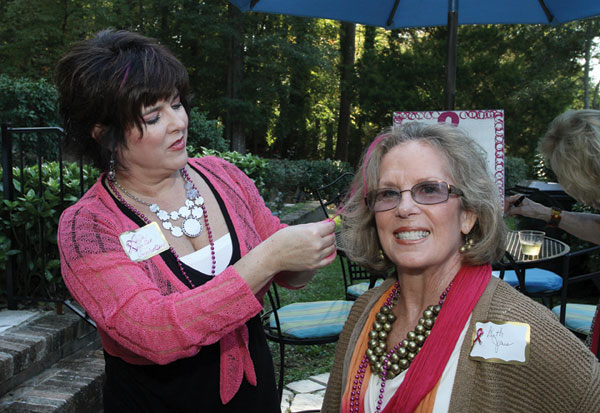
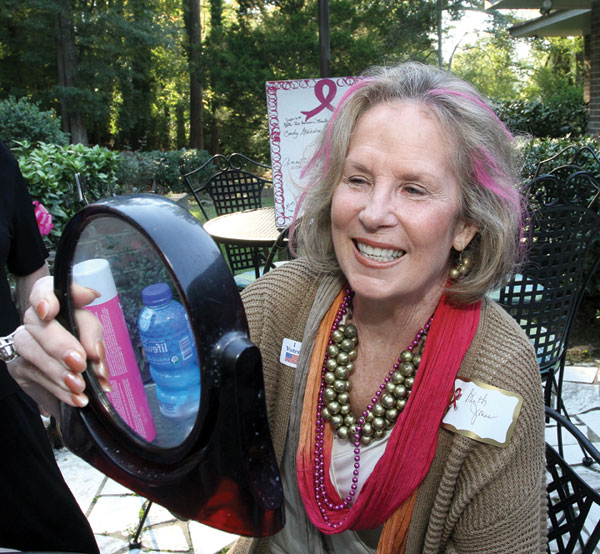
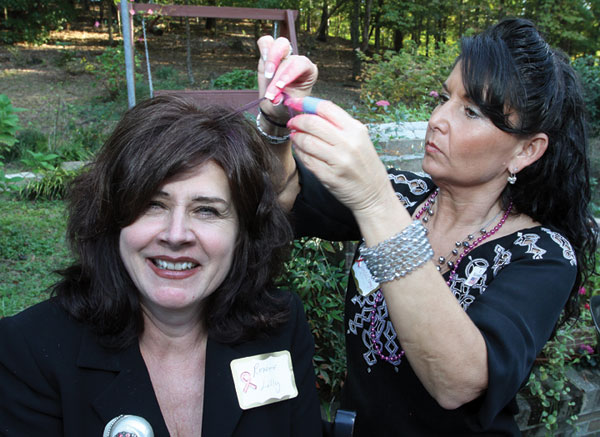
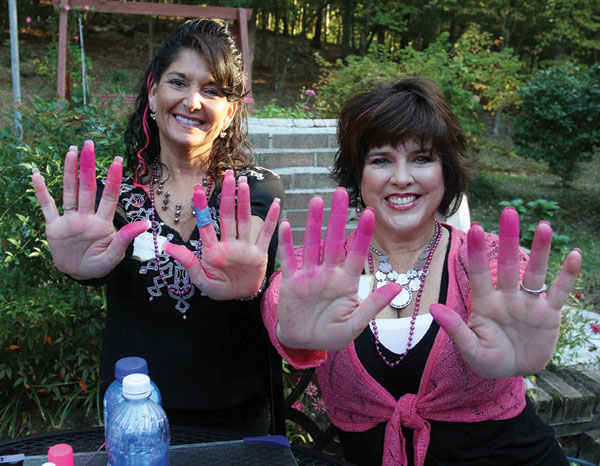
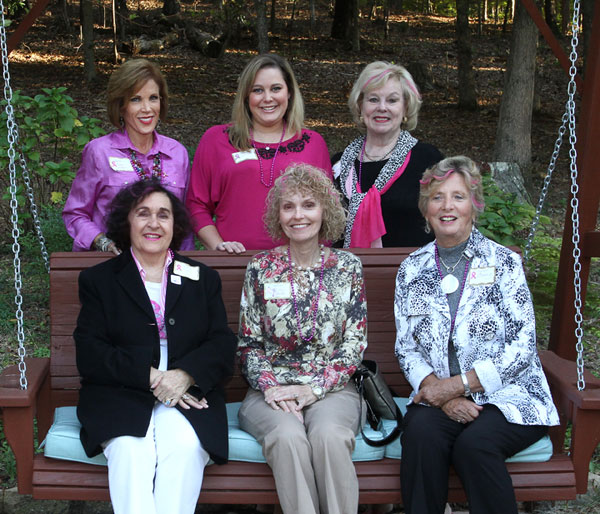
At first glance, you’d think it was simply a patio party in early fall, female friends gathering for wine and cheese and a little ‘girl talk.’

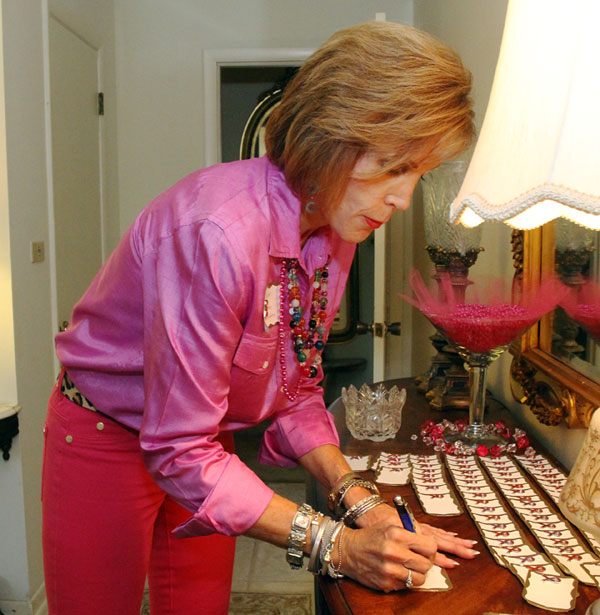
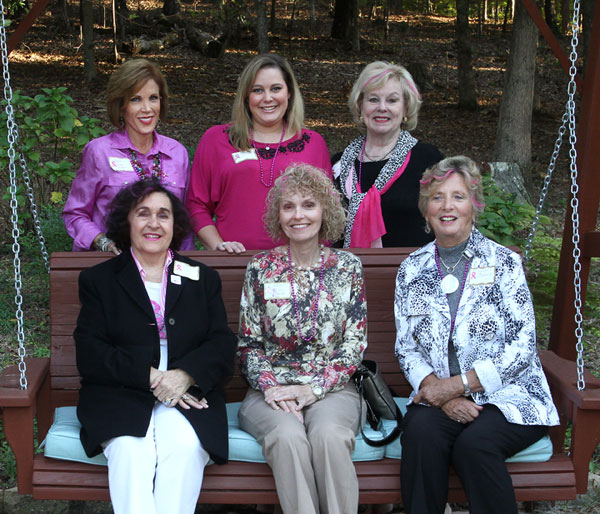
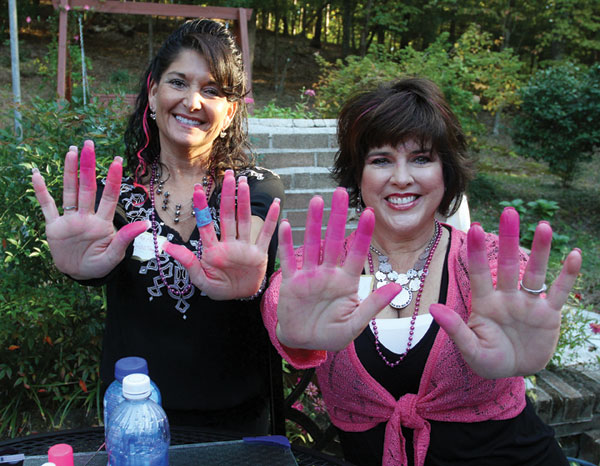
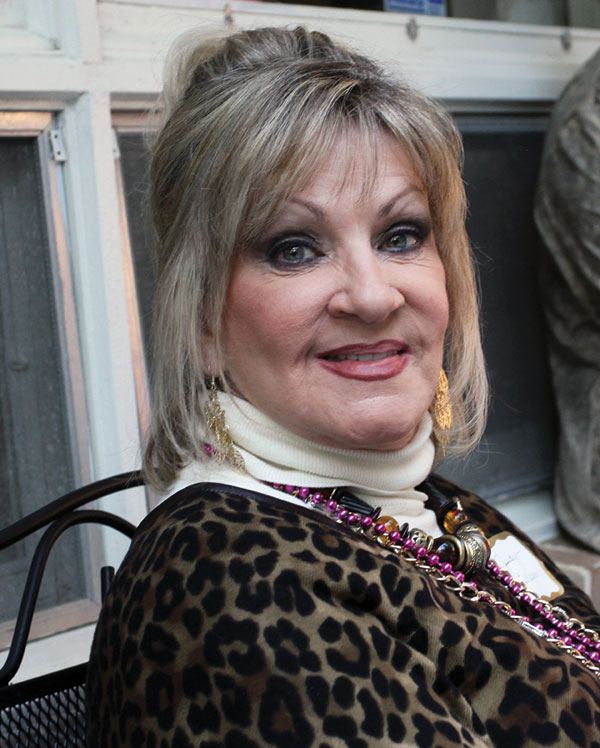
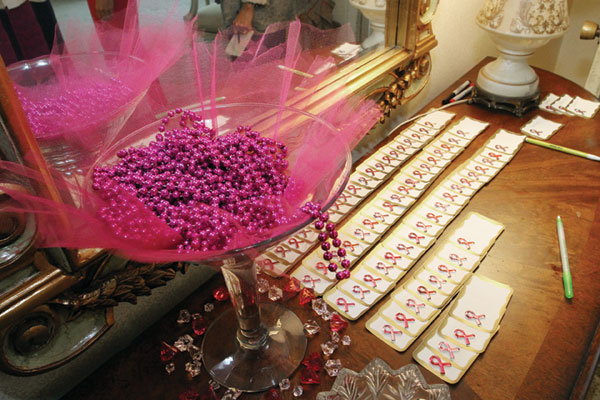
But on closer look, a touch of pink here, a dab of pink there and a plethora of pink just about everywhere, and you realize this is more than just a get-together for friends. It’s a coming together for a noble cause — a celebration of survival.

A half dozen or so of the women being celebrated fought the odds and won. They are survivors of breast cancer, and they — along with their friends — now celebrate each October with a Pink Fundraiser. It’s a chance to help others follow in their battle-worn footsteps and beat cancer.

It all began three years ago when Rebekah Hazelwood Riddle at Trendsetters Salon raised $1,000 in memory of her mother, Bella, who died of breast cancer when Rebekah was just 3 years old. Deanna Lawley invited friends and family of Kate DeGaris, who had just begun her battle with breast cancer, to have pink extensions applied to their hair in symbolic support of the project.

The next year, the group more than doubled the fundraising effort when Vicki Smith and Charlotte George expanded it to a wine and cheese reception at the home of Nelda Coupland. DeGaris’ longtime friends and her family worked to raise money for the American Cancer Society.

In 2012, a larger group returned to Coupland’s home for an even bigger event to recognize and honor a sisterhood of survivors, Cindy Goodgame, Virginia West, Sylvia Cornett, Kate DeGaris, Yvonne Bell and Annette Galloway Thomas.

Their stories share a common theme. It’s the tragic moment of a devastating diagnosis and an undying will to live.

Four years have passed since doctors told Kate DeGaris she had three to six months to live. She was in fourth-stage breast cancer that had spread to her arms, legs and spine. “It was a rough time, but I made up my mind I’m going to survive. I’m going to beat this,” she said. “I have good doctors. I have kids who are very supportive and friends who keep me pushing on.”

DeGaris credits her mother with setting the example she follows. She too, had breast cancer. She remembers telling her mother one day that she knew she had to be in a lot of pain. “She pointed her finger at me and said, ‘Nobody likes a complainer.’ ” Lesson learned. Lesson followed.

Just like her mother, she tries to keep a positive attitude. “I just keep going. I make myself,” she said.

It has been 14 years since Yvonne Bell heard the dreaded diagnosis: Breast cancer. Now, she is celebrating more than a decade as a survivor. The gathering of friends at the fundraiser “lets you know you are not alone in this. At some point in your lifetime, you will know someone with cancer.”

It was much the same in her own family. Her mother was a survivor. Her husband Jimmy beat the odds, too. At the Pink Fundraiser, she is surrounded by friends who know firsthand what rising above the challenge means. “It’s a little sisterhood — someone to talk to who knows exactly what you’re going through.”

Blair Goodgame hasn’t had breast cancer, but she was a central figure in the fundraiser to honor the ‘sisterhood’ that includes her mother, Cindy. She had a mastectomy when Blair was just an elementary school student.

Now a young woman who owns Lakeside Package in Pell City, she was a driving force behind the wine and cheese reception this year, working tirelessly to ensure that the celebration was just right, say party planners. Through her company, she furnished wine and attended to details of the event.

Of her mother’s own story of survival, Blair described her as a woman who is “as strong as they come” and inspires her involvement in the cause.

Lydia Pursell, DeGaris’ daughter, provided flowers, and she has been a source of great support for her mother.

There were others who added to the event to make it special, like Lakeside Coffee House and Princess Cupcakes; DeGaris’ brother, Earl Hodges; Renee Lilly of Lilly Designs; Winn-Dixie; Publix; and Julie Luker and Cindy Grimes, who added their own touch of pink to the occasion with pink hair streaks for all attendees.

And the extended sisterhood, the core group that made it all happen were Judy Ellison, Sylvia Cornett, Judi Denard, Beth Jones, Vicki Smith, Sally Vinson, Ginny West, Sylvia Martin, Charlotte George and Deanna Lawley.

It is through all of their efforts that this pink party is now a sanctioned event of the American Cancer Society, raising more money for breast cancer research and increasing the level of awareness with each passing year, according to the Cancer Society’s Malinda Williams, whose own mother is a two-time breast cancer survivor. Motioning toward the survivors at the reception, Williams said, “Y’all are the reason we’re standing here today.”

DeGaris acknowledged the sentiment. “It is good to have a family that’s real supportive, good friends and the man upstairs,” she said. “Every day I wake up, I’m thankful.”

Honey Boo Boo

Crowds fill Pell City Civic Center
as show cast comes to promote
Global Championship Wrestling

Story by Loyd McIntosh
Photos by Jerry Martin

Every generation has one of those cultural touchstones where they remember exactly where they were when they heard the news and were forced to take stock of the world around them.

The dates are etched, to borrow a phrase, in infamy: Dec.7, 1941, the day the Japanese bombed Pearl Harbor, Hawaii; Nov. 22, 1963, the day Lee Harvey Oswald changed the course of history from the third floor of a Dallas office building; Oct. 18, 1987, the great stock market crash otherwise known as Black Monday, when the New York Stock Exchange lost over one-third of its value wiping out billions of dollars in wealth and assets.

But those were tragic events upon which all can agree. In Pell City, depending upon your vantage point, the date to remember was Saturday, Sept. 29, 2012 – the day Honey Boo Boo came to town.

The Fallout
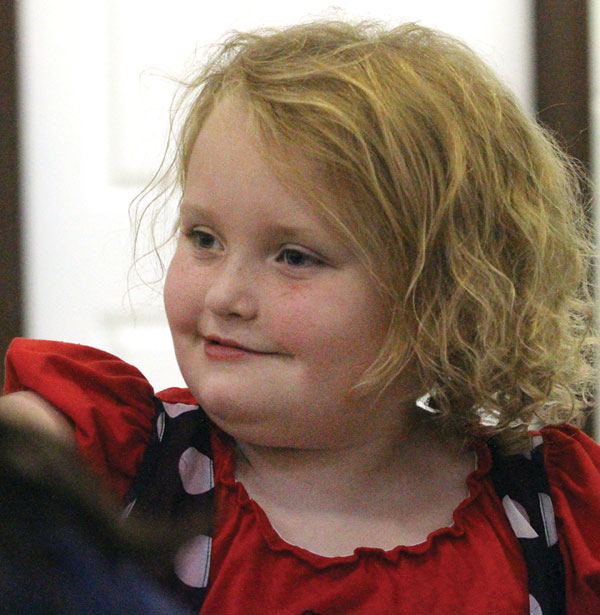
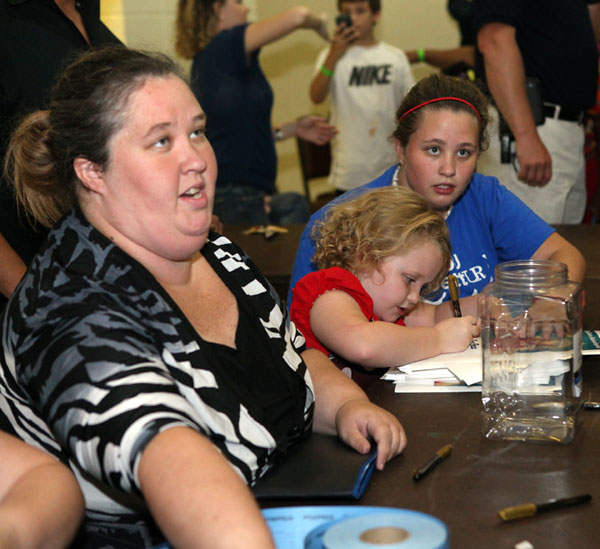
The “stars” of the The Learning Channel reality series, Here Comes Honey Boo Boo, made an appearance at the Pell City Civic Center that evening as part of a cross-promotion with Global Championship Wrestling. It was one of the weirdest events to be held in Pell City in many years — and it was one of the most polarizing. Since the moment the announcement was made almost two weeks prior to the event, opinion on the event ran the gamut from frantic anticipation to outright revulsion. All one had to do was check out Facebook on the day of the announcement to take in the citywide freak-out. “Honey Boo Boo and professional wrestling – let the madness begin,” read one Facebook post along with a photo of the Civic Center’s marquee sign. “Surely this is a sign of the apocalypse,” said another post. “Honey Boo Boo and wrestling? Heck yeah, I’m going,” read another.

For the uninitiated, Here Comes Honey Boo Boo focuses primarily on the life of Alana “Honey Boo Boo” Thompson, a grade-schooler and beauty-pageant participant, her coupon-clipping, relatively uneducated mother June Shannon, and their life in the poor, rural town of McIntyre, Georgia. Honey Boo Boo gained a following on another controversial TLC program, Toddlers and Tiaras, before getting her own show which debuted in August. It was an immediate hit. For instance, the show’s fourth episode drew more eyeballs than Fox News’ coverage of the Republican National Convention among viewers ages 18-49.

Critics of the show have been loud and harsh, largely due to its portrayal of poor, rural Southerners. A review of the show in Forbes Magazine slammed Here Comes Honey Boo Boo for attempting to portray the family “as a horde of lice-picking, lard-eating, nose-thumbing hooligans south of the Mason–Dixon line.” Even fans of the show admit it can be crude, stereotypical and not the most appropriate show in the world for small children. Combined with GCW — a small, independent wrestling circuit operating throughout Alabama and other parts of the Southeast – this event, believe it or not, had the potential to ruin friendships. “I actually had one person unfriend me on Facebook, and I had another person make some ugly comments about it,” says Jennifer Hannah, a lifelong Pell City resident, elementary school teacher and mother of three.

Hannah says she learned about Honey Boo Boo through her oldest child, Hallie Kate, 12, and, despite its questionable taste, can see how it can be addictive. “You watch it once, and you really can’t quit. It’s like a train wreck.” Hannah also has a pretty wicked sense of humor – not a secret to those who know her well – but is also smart enough to know that the show is likely to be yet another cultural flash-in-the-pan that gets under the skin of the decency police. “I think in a lot of ways, we’re over analyzing the importance of Honey Boo Boo,” says Hannah. “She’s like everything else. She’s here, she’ll come, and she’ll go, and it’ll be over with.”

The Event
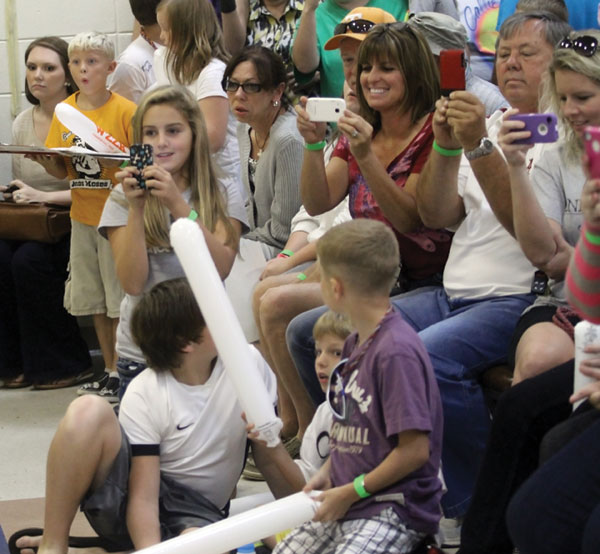
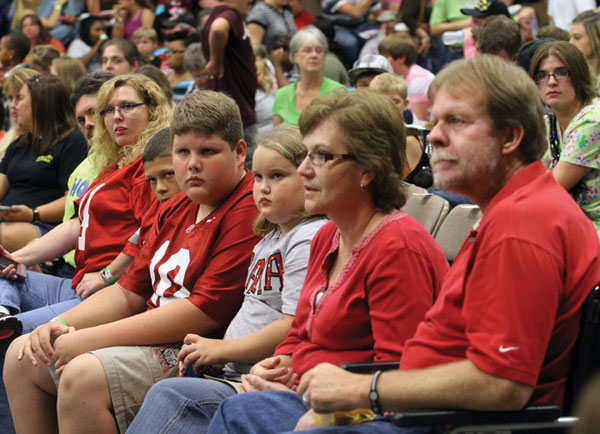
Hannah took her daughter and her two elementary-school-age boys, Ty and Cason, to the Civic Center to see Honey Boo Boo and her family and to get an autograph or two, even though she doesn’t allow her sons to watch the show – not that they care about it to begin with. She joined several hundred people from all over the Birmingham area who crammed into the Civic Center for a momentary interaction with the latest reality TV star. “It was fun, and that’s all it was. It’s over and that’s that. I just can’t believe so many people have gotten bent out of shape about Honey Boo Boo coming to town,” Hannah says. “They were very kind and they said Ty was cute.”

At first glance, the combination of professional wrestling and Honey Boo Boo makes a whole lot of sense. Even though there is a lot of low-brow fun inherent in both entertainment choices, the reality is they are very different. First, professional wrestling has a very old-fashioned male audience, albeit, not exclusively. The wrestling fans in the audience enjoy the old-school, flamboyant action, and colorful personalities of the GCW wrestlers. Many of them are senior citizens, and they take their wrestling seriously. Throughout the night, the wrestlers were heckled continuously by an older man in a plaid shirt and camouflage hat screaming at them as though the eventual winner was anything but predetermined.

The fans of Honey Boo Boo, on the other hand, are mostly girls not at all shy about sporting their beauty pageant tiaras as they walk around the gymnasium, signed posters in hand, all but oblivious to the mayhem of a wrestling match going on inside the ropes. For the most part, the two fan bases don’t mix and basically tolerated each other throughout the night. “We love Honey Boo Boo,” says Jodie Phillips of Pell City. She and her preschool-age daughter watch the show together every week. “My daughter loves her, she’s 4, so we can relate. My daughter’s kind of sassy and acts a lot like her, so we had to come see her.”

Phillips says she understands the criticism of the show, but she believes much of it is unfounded and doesn’t believe the show’s young star is being exploited, as many critics have suggested. “I think June does the right thing. They don’t push her, they let her be who she is,” says Phillips. “They don’t try to make her into anybody else.”

Vestavia Hills resident Anita Gray made her first trip to Pell City along with her daughter, Rebekah, and her teenage friend, Emily Capra. Fans of Honey Boo Boo, the trio made the trek up Interstate 20 just to check out the scene and to see the pint-sized TV star. “It’s just funny. She’s hilarious, and we think she’s really smart,” Anita says. “Their family is just kind of a caricature of the South. We’re not from the South originally, so just seeing the caricature is funny to us, because we live in Birmingham, and it’s really not quite like that. I don’t really think there’s anything to criticize, it’s just entertaining.”

Dustin Whittey, a 16-year-old from Gardendale, stands on the far side of the gymnasium away from the door leading into the room where Honey Boo Boo sits with her family, signing autographs. Taking it all in he says, “I would rather watch wrestling than to see Honey Boo Boo any day.” A fan of GCW for about a year, Whittey looks around at the crowd, adding the reality star made amazing business sense. “There are not this many people here, ever. Even though this is probably the biggest arena they have, it’s never this busy. Tonight’s the night. They’re going to make a killing.”

Even though Here Comes Honey Boo Boo is one of TLC’s highest rated programs, there are a few people in the audience who have no clue who Honey Boo Boo is exactly. Take for instance Devan Edward Lee Hunt, a fun-loving, outgoing 23-year-old wrestling fan from Center Point. Being the ever-so-good big brother, he drove his little sister and her friend to Pell City from Springville to see Honey Boo Boo. He believes he was convinced to come to Pell City under false pretenses. “I thought Honey Boo Boo was a wrestler. No joke. I had no idea. I don’t watch TLC,” he says with a huge laugh.

“I was sorely disappointed. So disappointed,” he adds with a big dose of humorous sarcasm. “I was so sure that she was a wrestler. My dad convinced me she was a 7-year-old girl wrestler.”

The Final Verdict
A couple of weeks after the event, Hannah still can’t help but laugh at what she saw the night of Sept. 29. She recalls that GCW wrestling has been coming to her hometown since she was in elementary school, but this was something else entirely. And to those people in her social network who didn’t approve of her taking her own children to see Honey Boo Boo, Hannah says “relax.” As long as your children are grounded, and you’re doing your best to raise your family, you can survive the latest pop culture brouhaha. “For a long time, it was Miley Cyrus. What a stellar role model that turned out to be. Then it was John and Kate, and what a great example of how you want your marriage and family to be.

“The bottom line is this. They’re not like me; they’re not like anyone I know, but whether we’re raising our children the way I think is best, the way you think is best, or the way Mama June thinks is best, we’re still all God’s children. So for us to sit there and judge them really isn’t our place,” Hannah adds. “You can go or not go, or you can watch or not watch. The town survived, and it was an evening of fun that my kids talked about for a good week.”

Historic Pell City

When St. Clair’s largest city was just getting started

Story by Jerry Smith
Submitted photos

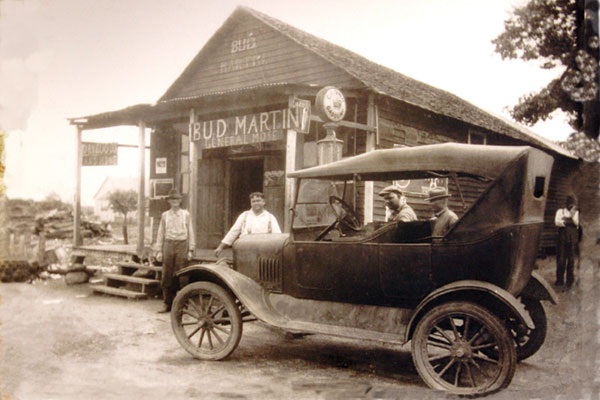
What magic molded a sleepy little whistle stop of 40 souls into St. Clair County’s largest city? Actually, the town owes its success to a missed train and a fortuitous marriage. Pell City was blessed with both a father and a mother — Sumter Cogswell, who nurtured it from infancy, and Lydia DeGaris Cogswell, who helped rescue it from a premature demise.

A town charter was granted in 1887 at the request of six local businessmen: John B. Knox, T.S. Plowman, D.M. Rogers, J.A. Savery of Talladega, John Postell of Coal City and Judge John W. Inzer of Ashville. Postell was general manager of the East & West Railroad, and Inzer was the company’s attorney. The line was owned by the prominent Pell family of New York City, Pell City’s namesake. (See Discover August/September and October/November 2012 for more on that railroad.)

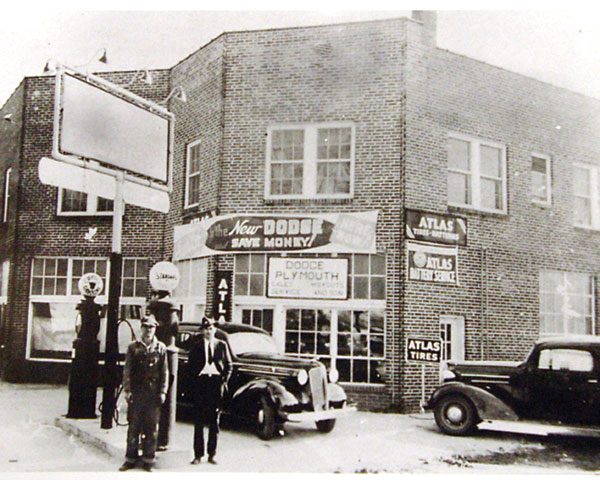
An official incorporation map shows that Pell City was only about eight blocks square, some 400 acres. At the time, there were few houses and even fewer buildings, the largest of them the two-story Maxwell Building, which still stands on Cogswell Avenue next to Gilreath Printing.

The East & West was a short line that connected Seaboard Air Line Railroad with Pell City’s Talladega & Coosa Valley line and Georgia Pacific Railroad (later Southern), giving the town an important rail junction. A shared depot was built, but Pell City remained largely dormant until an insurance agent from Chattanooga missed his train and had to lay over for the night.

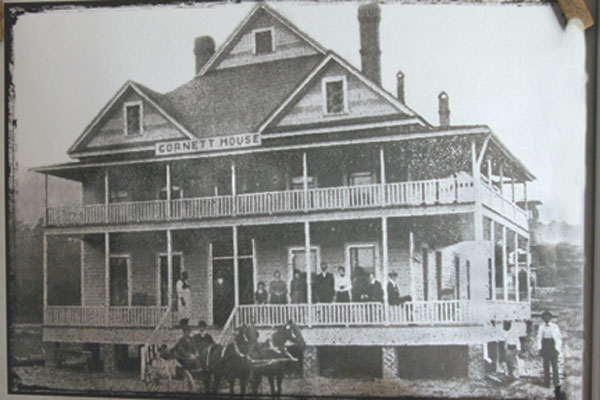
A 1936 St. Clair Times story recounts: “On a blustery March day in 1890, a young man about 29 years of age chanced to be en route to Talladega and was to change trains at a place known as Pell City. … The young man was a guest at the Cornett House. … Looking out his window the next morning, the young man was so impressed with the natural beauty of the countryside, and it reminded him so much of the “Blue Grass” country of Kentucky, that he was interested. The young man … was Sumter Cogswell.”

According to records furnished by Pell City’s Kate DeGaris, Cogswell worked as an agent with North American Insurance Company, a Kentucky-based Rockefeller subsidiary. He was traveling to Talladega to meet with the Mr. Savery to discuss establishing a new NAIC agency there.

While in Talladega, he also met with Mr. Plowman, president of Pell City Land Company, which owned the town. Cogswell felt that Pell City’s three railroads, natural beauty and proximity to the Coosa River made it a natural spot for future development. Even better, the town was already up for sale.

Cogswell negotiated a two-week option to secure the property, and quickly sold it to Pell City Iron and Land Company for $50,000. They resurveyed the town, and added more housing. Hercules Pipe Company, owned by Boston capitalists, came to Pell City in 1891 to begin the town’s industrial base. Cogswell soon left town, secure in the notion that the seed he’d planted would grow and blossom naturally.

In Heritage of St. Clair County, a latter-day Lydia DeGaris writes that Sumter returned home to Chattanooga only to find that his wife had left him for his best friend. Distraught, Sumter left Chattanooga and moved to Memphis, Tenn. It was there that he would meet his future bride and Pell City’s maternal benefactor, Lydia McBain DeGaris.

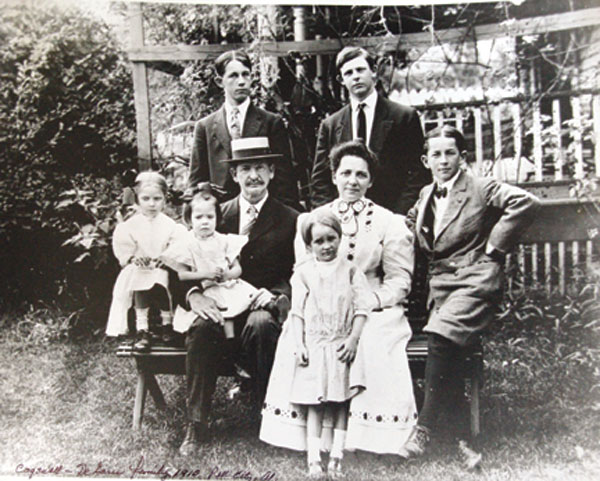
Lydia was a recent widow of Charles Francis DeGaris, who was 34 years old when he and 18-year-old Lydia married. In fact, his proposal to Lydia had come as a shock to her mother, who until then had assumed Charles had been coming there to see her.

DeGaris was a well-educated, accomplished civil engineer. Their marriage lasted from 1885 until his death in 1898. They produced three sons, one of whom would actively participate in Pell City’s future. The DeGarises had designed their dream home just prior to Charles’ death. Lydia saved the plans, hoping to build it herself when things got better.

She met Sumter at one of her Uncle George Arnold’s lavish parties. Sumter was from a prominent family in Charleston, South Carolina, and had recently established a new agency in Memphis with five states under his jurisdiction. He was born on the first day of the Civil War in 1861, when Charleston’s Fort Sumter was fired upon, hence his name.

Lydia quickly abandoned her current fiancé, and married Sumter in 1900. They moved to Atlanta, where Sumter took over the management of her late husband’s sizable estate.

In 1901, Sumter revisited Pell City after a 10-year absence and found that it had almost died. In her History of St. Clair County, AL, Mattie Lou Teague Crow describes it thusly: “Upon looking from the train window, he was surprised to see a deserted village. The streets were grown up with weeds. The houses were empty, and the place had the appearance of a ghost town.” Other sources relate that goats inhabited the ground floor of the Maxwell Building.

The Panic of 1893-94 had forced both Pell City Iron & Land and Hercules Pipe Company, into receivership. According to Grace Hooter Gates, in Model City of the New South: “The firm was a failure because skilled labor would not work in Pell City, according to local stories. The iron molders would get off the train, look around and, seeing nothing but one or two stores, would climb back aboard and then ride on in search of more excitement.”

Gates continues: “Louis D. Brandeis, trustee for the company, engaged J.J. Willett of Anniston to foreclose the deed of trust for Hercules in 1893. Though the scarcity of skilled workmen in Pell City was the popular notion as to why the plant moved to Anniston, the more likely cause was the substantial savings of over 10k yearly in freights.” Brandeis won fame as a tireless advocate for consumers’ and workers’ rights, and eventually became a noted U.S. Supreme Court justice.

Lydia purchased the ruins of Pell City from Brandeis for the paltry sum of $3,000, property that had been valued at more than $50,000 less than 10 years previous. She and Sumter began nursing the failing town back to health.

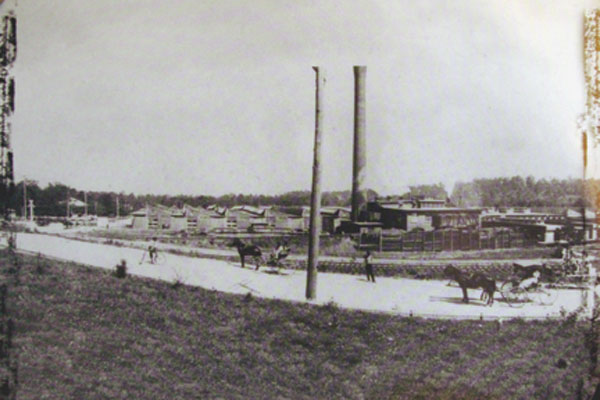
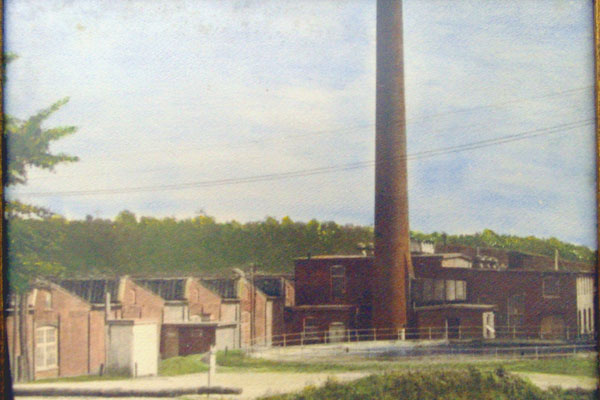
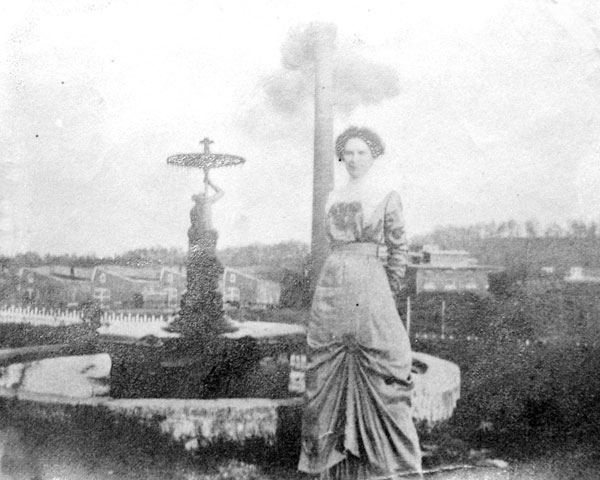
According to a newspaper story, Lydia put her dream home on hold, and instead invested her wealth in Pell City. From her new holdings, she gave land for a town square to host a new courthouse after Pell City had been selected as a second county seat, 150 acres of property and an abundant spring for the building of Pell City Manufacturing Company (which later became Avondale Mills), and other acreage for a city park, schools, churches, two fraternal lodges and First Baptist Church.

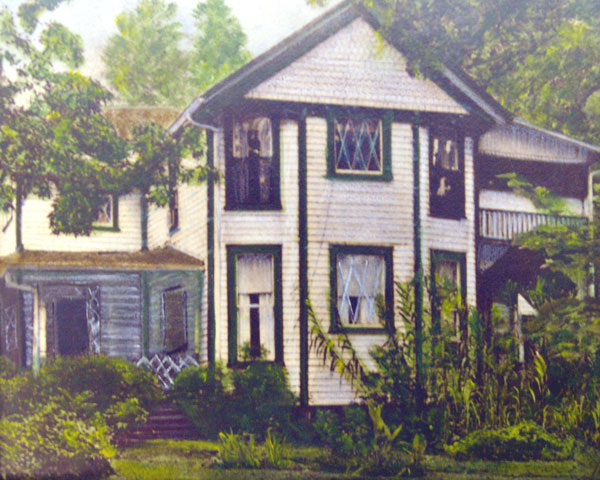
According to great-grandson Sumter DeGaris, they added three rooms to accommodate five children, plus a pantry, four porches, a servant’s house, carriage house and a large barn. Their arrival boosted Pell City’s population to 40. It is reported that they brought with them more groceries than were in the local grocery store’s entire inventory. The home they remodeled still stands today, at the corner of 18th Street and 2nd Avenue North in Pell City. It is currently occupied by Sumter DeGaris and has hosted some five generations of Cogswell/DeGaris kin.

Backed by his wife’s inheritance, Sumter quickly got down to business. He hired George W. Pratt to supervise the construction of the cotton mill. Once built, Thomas Henry Rennie of New England was hired to manage the business, whose stock soon went from less than $50 to more than $400 per share.

Next, the Cogswells founded the Bank of St. Clair County, presently known as Union State Bank, with Sumter as president and a dean’s list of local businessmen as directors, including McLane Tilton, E.J. Mintz, Arthur Draper, J. Fall Roberson of Cropwell, J.H. Moore of Coal City, Frank Lothrop of Riverside, and Lafayette Cooke of Cook Springs fame.

In 1902, Pell City faced two serious occurrences which would test its civic mettle. First, a warehouse full of dynamite and gunpowder exploded, killing several, destroying the depot, and heavily damaging several other properties. The explosives were stored in that location for use in excavating the Cook Springs railroad tunnel.

As if that weren’t enough, some citizens from “the other end of the county” approached the state Legislature, alleging that it was unconstitutional to have two official courthouses in the same county. It took years to settle this highly disruptive dispute, ending with a constitutional amendment in 1907.

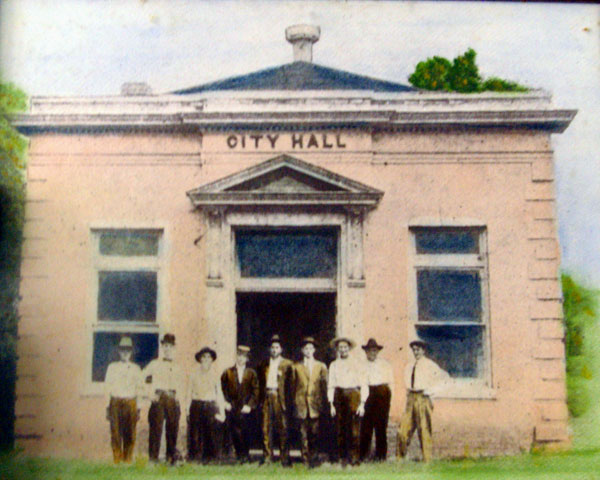
Cogswell became mayor in 1903, serving for some 14 years. Sumter DeGaris tells that the town had a single saloon that provided enough tax revenue to pay for a grammar school, City Hall and numerous roads. Cogswell also served for many years on the City Council and St. Clair County Court of Commissioners.

As president of Pell City Realty Company, in 1909, Cogswell published a promotional booklet called, Keep Your (picture of eye) On Pell City, which touted everything from railroads to salubrious weather to Southern work ethic, often stretching facts to the breaking point. Quoting from that book: “The climate is simply faultless. The temperature in midwinter seldom falls as low as 30 degrees, and in the summer time rarely goes above 92 degrees. Cases of prostration from heat are unknown”.

Kate DeGaris tells that the Cogswells loved to quarter and entertain important visitors and investors in their home. A huge four-poster canopy bed was reserved for two uses only — overnight guests and having babies.

She also relates a story of how Sumter Cogswell, upon watching a poor man trudge past his home every day in bitter cold while wearing only a thin topcoat, gave him a brand new, expensive overcoat he’d received as a gift, and he kept wearing his old, tattered one.

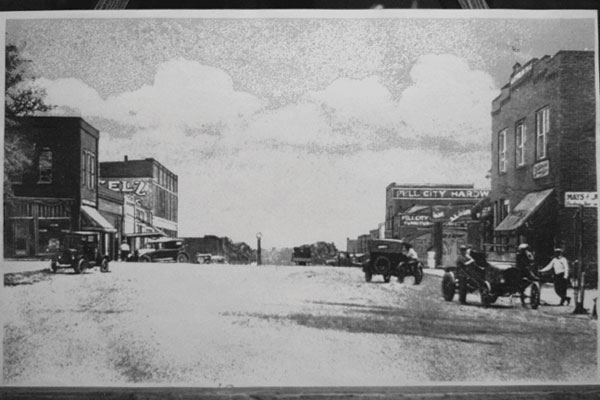
The city flourished through World War II and beyond, with Avondale Mills supplying most of the cash flow. Lifetime resident Carolyn Hall relates that Pell City was a warm, safe place to live. While the “cotton mill” involved long hours and strenuous work, it was a welcome escape from even harder times for farmers and other locals who toiled all day for as little as a bucket of syrup.

Dr. Robert Alonzo Martin was brought to town to supervise a new hospital in the mill village, which was outside the town limits in those days. Dr. Martin became a leader in all things medical, made a lifelong career of providing quality care, and delivered some 10,000 babies to local residents. Martin Street, US 231 in Pell City, is named after him.

Pell City’s hard-working, industrious populace enjoyed many benefits from the “cotton mill,” including a fine lake, seasonal parties and every amenity a progressive company town could offer. The DeGaris descendants hosted lavish yuletide affairs, which were attended by people who had come from all over the county and beyond, mainly to sample Grandfather DeGaris’ potent eggnog (See accompanying story).

John (Jack) Annesley DeGaris, who hosted these Christmas galas in Pell City, was Lydia DeGaris’ son by previous marriage. Jack graduated Pharmacy School in Birmingham, served as pharmacist’s mate aboard a troop ship in World War I, and nearly froze in the North Sea when the ship was torpedoed.

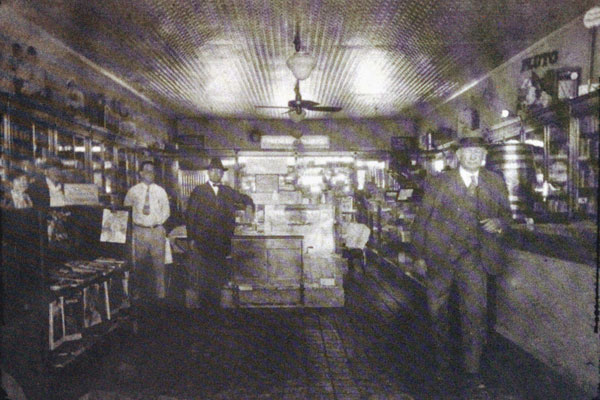
He eventually returned home to Pell City, established Citizen Drug Company on Howard Avenue and, with the help of his wife Gertrude (Saylors), ran it successfully until his death in 1952. Jack was also a local campaign manager for Alabama Gov. Big Jim Folsom.

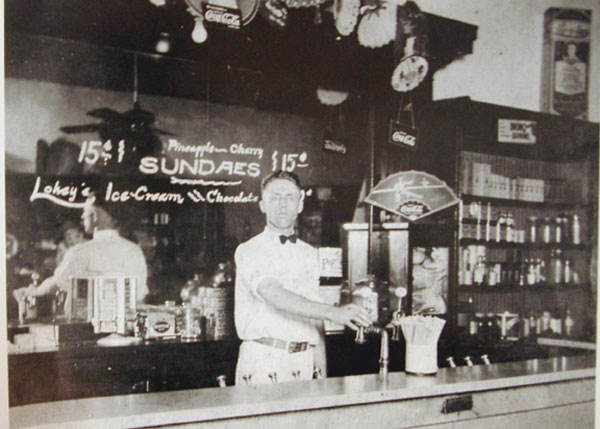
Jack’s son, Annesley H. DeGaris, writes in Heritage of St. Clair County: “… (Jack) was one of the best civic workers Pell City ever had. For many years, Jack gave a banquet for the football players, cheerleaders and coach as invited guests. Also, one day each year, Jack let the high school senior class operate the soda fountain in his drugstore, taking all the proceeds to help with their school trip. The Citizen Drug Store was always referred to as ‘the drug store in the middle of the block’ at 1907 Cogswell. …”

Lydia never got to build her dream home, but she and Sumter presided over a dream city of their own making. They’re an indelible part of St. Clair history. Pell City’s Howard Avenue was re-named in their honor after his death.

Longtime business associate McLane Tilton penned an appropriate epitaph for his dear friend Sumter:

His life all good,
No deed for show; no deed to hide,
He never caused a tear to flow
Save when he died.

To learn how they made enough eggnog for most of the town in a washing machine, check out the full edition of the December 2012-January 2013 edition of Discover The Essence of St. Clair.