At 90 days after opening Helms Healthcare in Vincent, Dr. Rock Helms could see his business plan was working. Be a good listener and deliver personal, quality healthcare like days gone by, and patients will follow.
One thousand patients three months later are testament to that.
It didn’t stop there. At the eight-month mark and approaching 2,000 patients, Helms announced that he will be opening a second location in his hometown of Pell City.
Targeting May 1, 2026, Helms Healthcare plans to open the new location near the industrial park at Comer Avenue and John Haynes Drive. Helms is renovating an existing building to accommodate the medical offices, an imaging center and infusion suites.
The 7,500-square-foot building is space he said is going to be developed into “really nice” state-of-the-art imaging center with a cutting-edge CT scan capable of a comprehensive range of diagnostics for coronary cardiovascular risk.
Cardiac imaging of this caliber will be able to serve certain patients for precision cardiovascular screening, which may not be covered by insurance. But, Helms predicts by 2030 in the healthcare industry, it will be standard and covered. “The fact that we’re going ahead now tells you just how good the technology is.”
The new clinic will offer extended hours for urgent care and a full-service lab. They are adding new staff – CT technician, laboratory technician, ultrasound technician and more office and support staff.
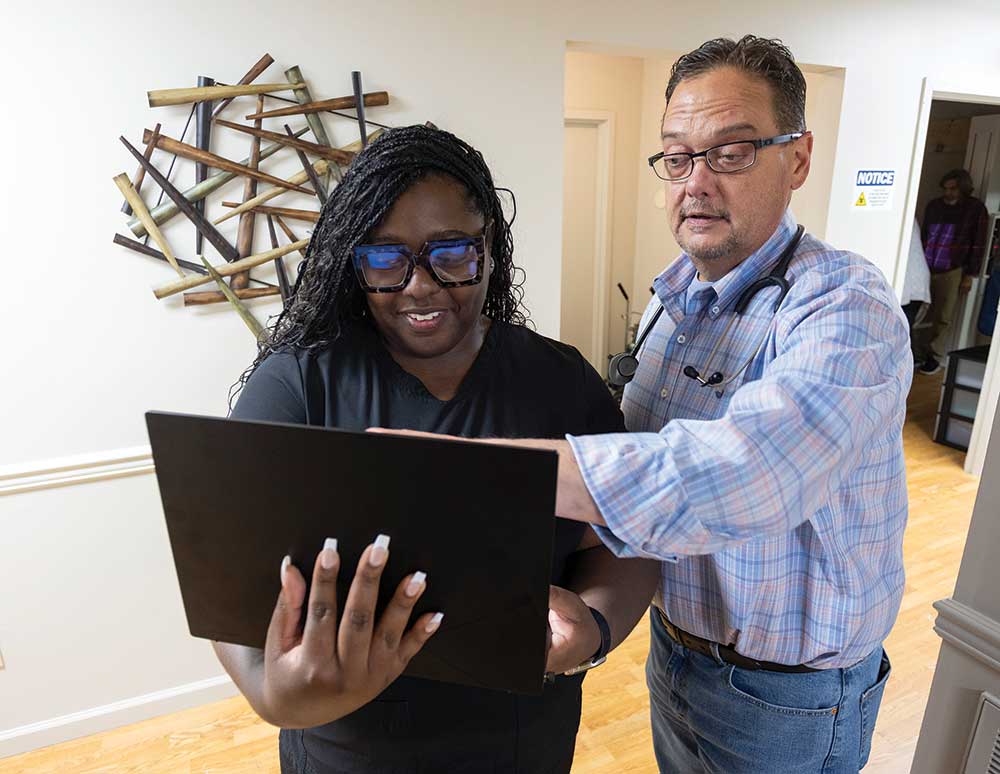
At present, the Vincent clinic is led by Helms with the assistance of three certified nurse practitioners.
Jonathan Windham, CRNP, one of four providers now at Vincent clinic. More will be added.
Helms will divide his time between the Vincent and Pell City clinics, but plans call for the physician roster to increase to meet the needs. “We expect to quickly grow providers over the next 24 months,” he said.
The decision to return to Pell City with a significant presence was guided by his ties to his hometown. Pell City, he said, has “excellent healthcare with multiple services available. It is my community, and I want to maintain that level of care and build on it.”
While he acknowledges the tremendous strides made with Helms Healthcare since its inception only eight months ago, he stressed that it was not a solo effort. It came from “the Lord and good work of good people.”
As for returning the practice of medicine to days gone by, he said Helms Healthcare will continue this path of care. “When you call, a person answers the phone. They’re happy to see you. They care. All those things are really important.”
He expects Helms Healthcare to “continue to grow and be marked by excellence and doing it in a loving, old fashioned way. I don’t want that to go away.”
In 2001, Helms founded Northside Medical Associates in Pell City, beginning with only a handful of providers and staff. He grew it into an expansive campus of medical facilities, a pharmacy, urgent care and multiple specialties and locations in other communities with over 200 employees.
After selling the practice and fulfilling contract commitments, he founded Helms Healthcare in Vincent.
From ink to digital presses, from invitations and business cards to signs, vehicle wraps and at bed printing, Eddie Gilreath and his family have seen it all. Just like the printing industry itself, Gilreath Printing & Signs has evolved over the past 32 years.
A new era has dawned for the family-owned company with the opening of their new facility a block from their old location in downtown Pell City.
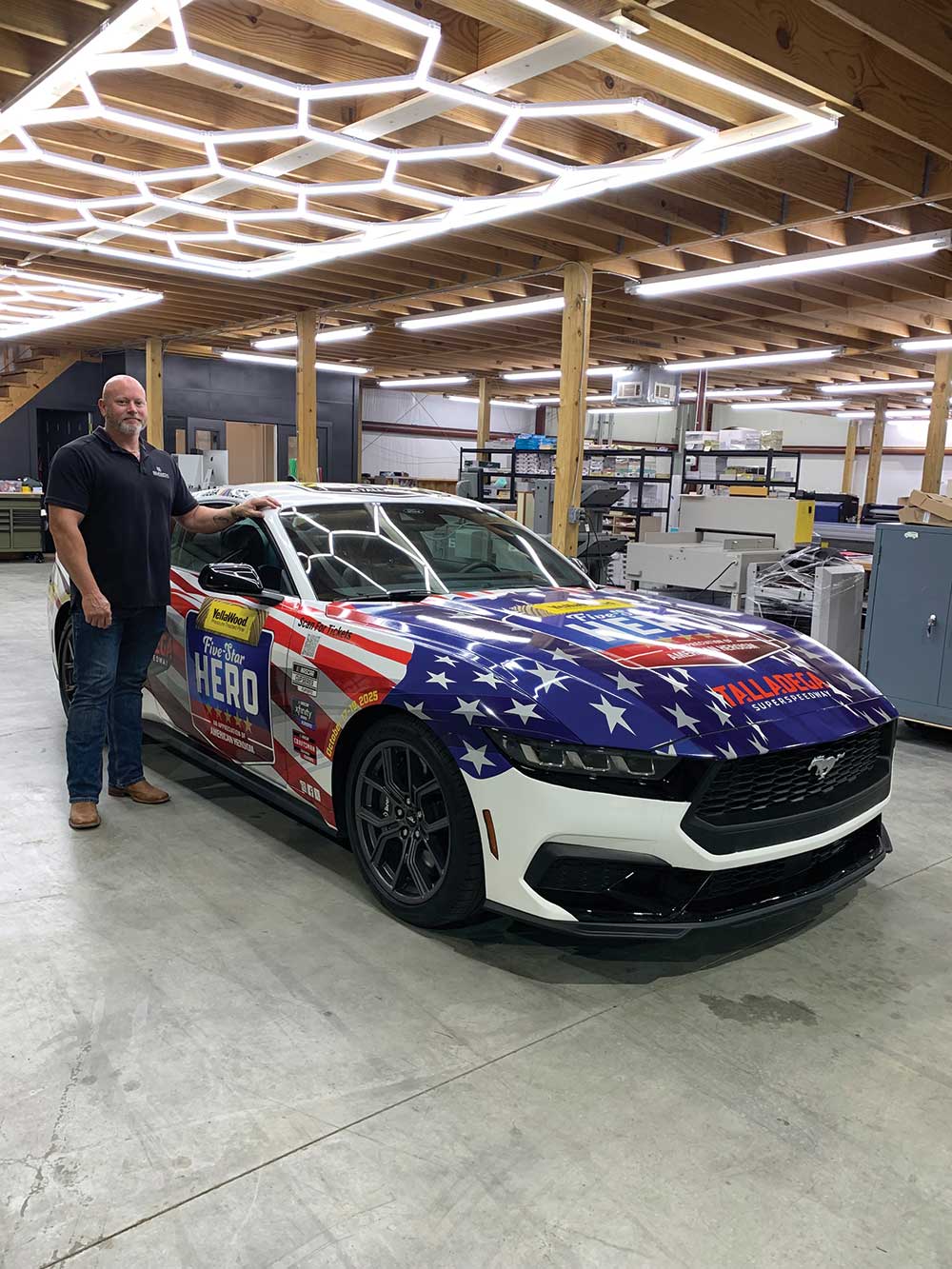
Jeremiah Gilreath under special lighting system
The difference? A state-of-the-art, 10,000 square foot facility that is expected to grow to meet the current needs of the varied formats in the printing industry and well into the future.
Gilreath Printing began in an 800 square foot building behind where Pell City Coffee Company is now. At the five-year mark, they outgrew it. He eyed a piece of property on Cogswell Avenue at the corner of 20th Street, which had been vacant for 30 years. A friend was building custom log homes at the time, and he asked if he could build one for his office on that lot.
The lot’s owner, Johnny Turner, sold it to Gilreath, they built their office in that log home, “and we had plenty of room.”
“Or so we thought,” said son, Jeremiah, who has taken the lead in operations today.
In 2004, they started printing signs. Their first wrap – vinyl signage that conforms to the contours of a structure like a vehicle or a window – came in 2008. It was on their own vehicle – a Ford Explorer.
Now, the business is 50-50 printing and signs. They even do wall wraps and offer any type of advertising specialty.
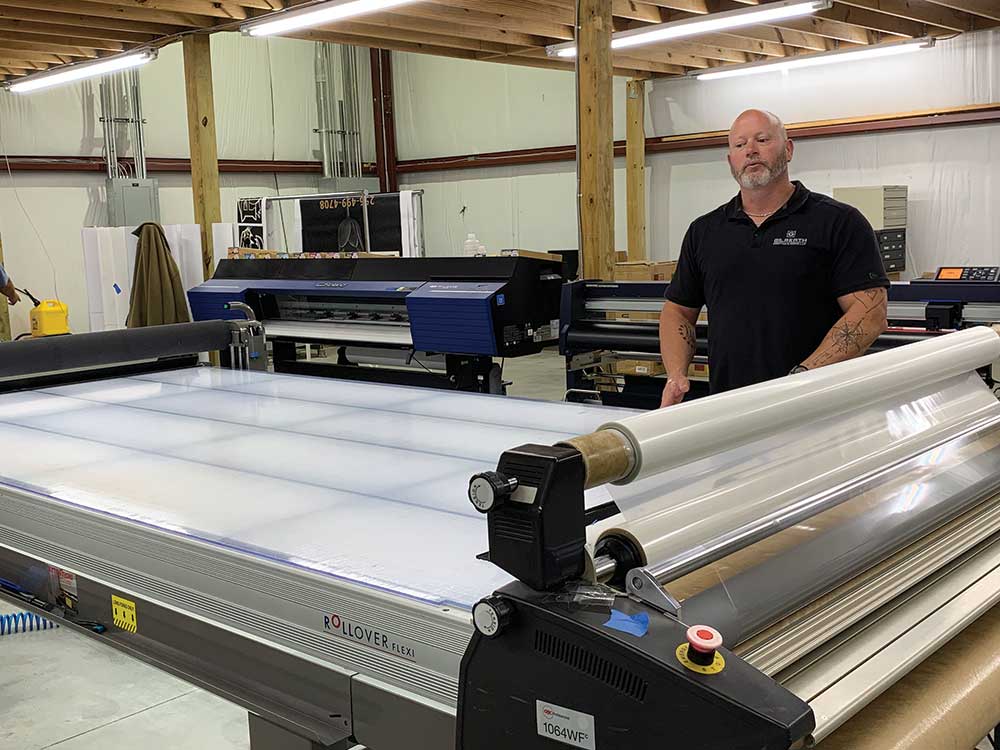
New cutting-edge equipment giving them the ability to print directly on any substrate, has been added. Many more technological advances are on the way. “When we started, we didn’t even have a computer,” said Susie Gilreath, Eddie’s wife and Jeremiah’s mother.
More cutting-edge equipment allows Gilreath to meet the needs of customers
As they walk through the new, spacious facilities, they talk about their ability to do the job better, faster, and at competitive pricing. The newly installed equipment helps them meet demands of the future and grow their business in the right direction.
A suite of offices is just beyond the lobby with a glass window that lets visitors see the open bay area, where work is done. That vantage point allows them to observe the whole operation.
Through the window, a freshly wrapped service van is spotted, ready to be pressed into duty by Allen Service Company. A Mustang wrapped especially for Talladega Superspeedway sits nearby under a special lighting system that allows the Gilreath crew to do their work without reflections and shadow.
Digital printers of all shapes, sizes and capacities anchor the center of the floor, and a flurry of activity is ongoing throughout the day by family and long-term employees. There’s even a third generation, Jeremiah’s son, Brody.
The log cabin still stands at the corner of Cogswell Avenue and 20th Street, ready to lease, Gilreath said.
The Gilreaths still believe in doing the right thing, creating value and helping businesses get results.
As for the size and scope of the operation as it heads into the future from its new headquarters, it’s all in a day’s work at Gilreath Printing & Signs.
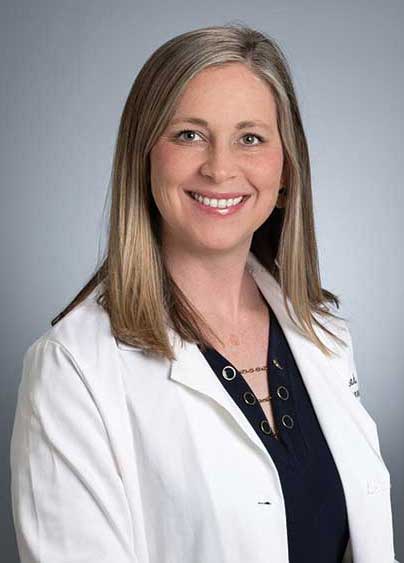
UAB St. Vincent’s Women’s Health is expanding gynecologic services to UAB St. Vincent’s St. Clair. Dr. Sarah Whitehead will now be holding gynecology appointments at the Pell City hospital located at 7063 Veterans Parkway.
Whitehead is accepting new patients, and appointments can be scheduled by calling the main office at 205-939-7800. Patients should specify UAB St. Vincent’s St. Clair facility when making an appointment with Dr. Whitehead.
Whitehead is board-certified in obstetrics and gynecology and provides gynecologic care to girls and women of all ages.
She strives to provide compassionate service to her patients by listening to and understanding their needs.
She has a special interest in treating polycystic ovary syndrome and helping patients achieve their weight loss goals.
What if, instead of making lofty New Year’s resolutions, we all agreed to simply try a little harder to be a little better than we were the year before?
To be kinder – not just when it’s easy, but when it’s hard and inconvenient. To be more honest, even when it’s uncomfortable, and to forgive more readily, knowing we’ve all fallen short at some point.
What if we gave a little more – of our money, our time and our patience? What if we extended a little more grace to the people who need it most, including ourselves?
What if instead of looking too long at what’s behind us or constantly chasing what’s next, we took more time to appreciate what’s here now?
What if we loved a little better the people we often take for granted? The people who stand beside us and see us clearly – flaws and all – and choose to love and support us, not just for who we will be … but for who we already are today.
What if we try a little harder to find joy in the present moment – and keep our feet firmly planted in appreciation for the beautiful gift of life right now?
– Mackenzie Free –
Wife, mother, photographer & current resident of the unassumingly magical town of Steele, Alabama
It has become an annual tradition at Museum of Pell City each November as it seeks to honor, preserve and promote its military history in Salute to Veterans Nov. 7.
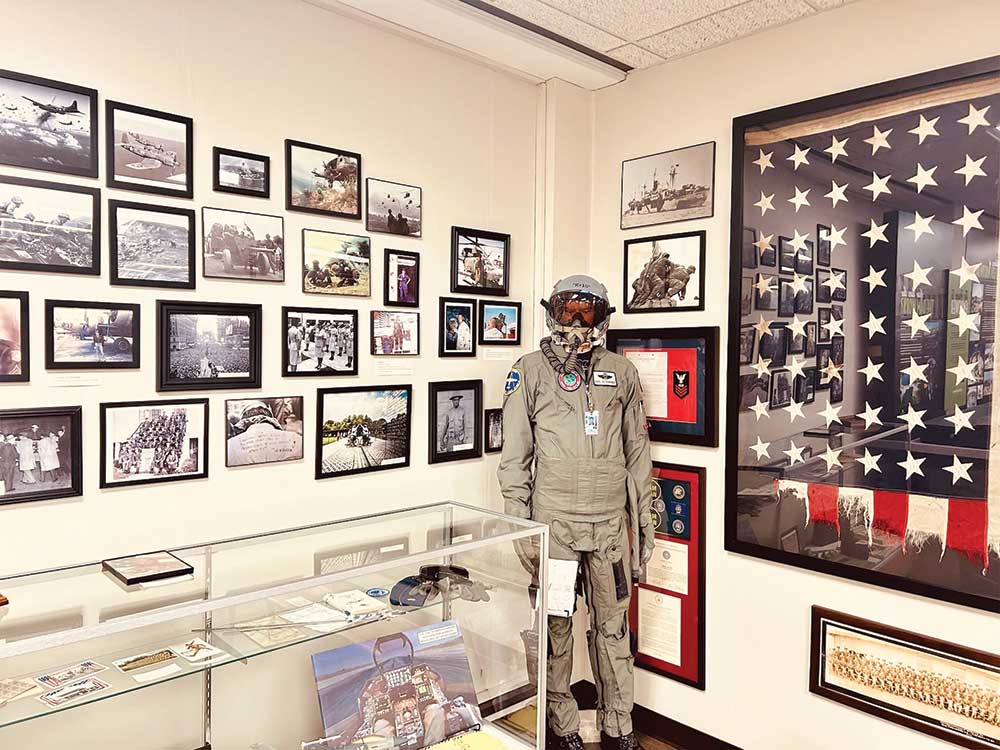
Now in its third year, the museum is redesigning and expanding its military exhibit space, increasing its focus on more modern-day wars and conflicts and adding an impressive interactive display – a fighter jet simulator. It will open Nov. 7, kicking off with a special reception at 10 a.m. in the banquet room of the Municipal Complex below the museum.
Existing military displays getting redesign
Headlining the event will be St. Clair County District Attorney Lyle Harmon, a veteran helicopter pilot in Iraq and Afghanistan.
“Much of our exhibit space to this point has been on earlier wars – World War I and II, Korean and Vietnam,” said President Carol Pappas. “What we wanted to do is provide a more comprehensive picture of our military history – bringing in more photographs and artifacts from the Persian Gulf War and the wars in Afghanistan and Iraq. We have so many veterans from those conflicts in our community, and we wanted a way to preserve and share their stories.”
One of the centerpieces of the new exhibit will be photos and artifacts from the estate of Admiral Dennis Brooks, who served as Commander of the Joint Forces in the Persian Gulf. His long and storied career includes a visit aboard his ship from then President Ronald Reagan. His flight jacket as a fighter jet pilot in earlier days is on display among many other artifacts.
“We’ll have oral histories from his son, Mark Brooks, who also served as a fighter jet pilot and rose to the rank of …, who relates his father’s stories of achievement, sacrifice and the principles that guided him. We have other veterans of Iraq and Afghanistan, who share their own story, all of which will be presented in our own documentary,” Pappas said.
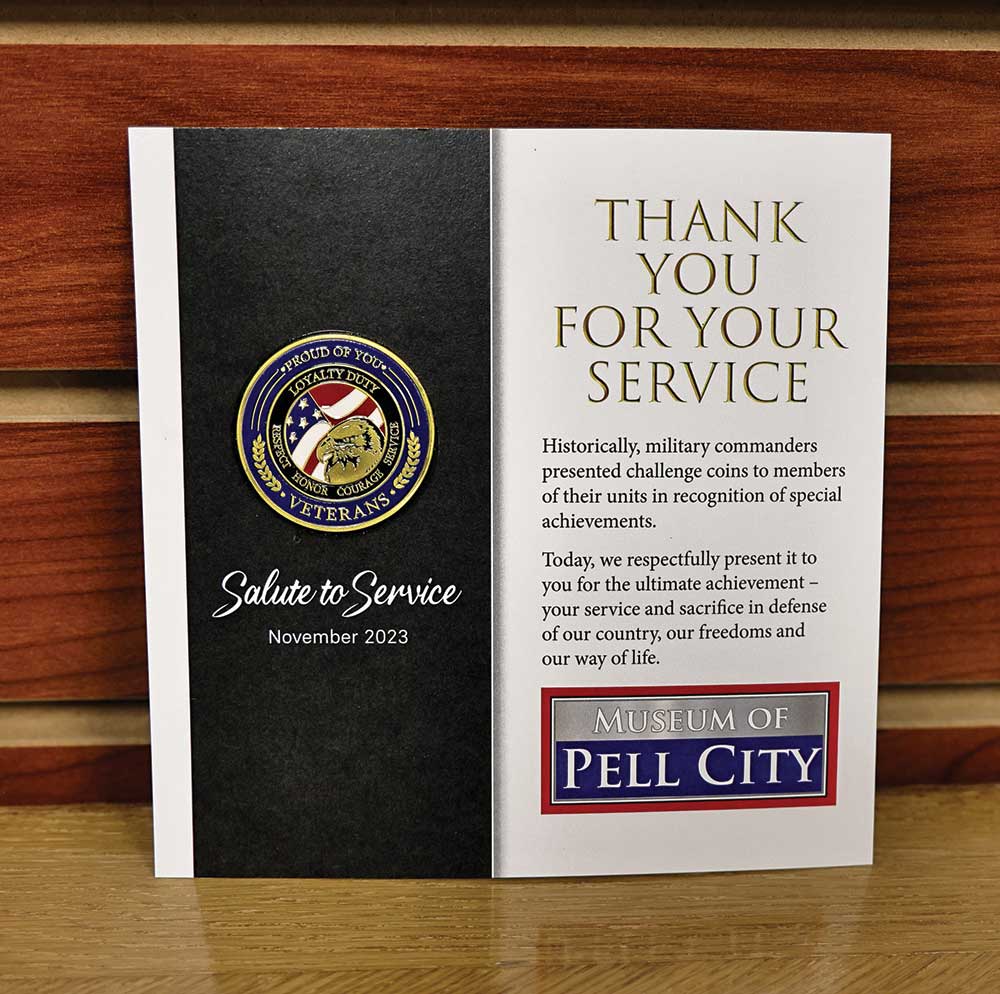
Challenge coin memento given to veterans at inaugural salute
“An examination of this era must also include the painful transition of coming home, and we will feature on film the story of a mother whose son took his own life, an all too familiar account, and her fight to help other veterans.”
Excitement is building as museum designer Jeremy Gossett and pilot consultant Donnie Todd put together the fighter jet simulator exhibit. “I won’t spoil the unveiling, but I can promise that it will be an attraction for all ages,” Pappas said.
This project could not have been possible without community support. “In an effort led by our treasurer, Zachary Gentile, and Museum Coordinator Erica Grieve, we were able to raise nearly $7,000 to bring this plan to fruition. We thank donors Glenda Harris, Paula Hereford, Inpac, St. Clair County Airport Authority, Dream Home Inspections, David Smith, Alan and Sandra Furr and Donnie and Ellen Todd. They stepped forward in a big way to make this project happen.”
As is the museum’s custom, a reception honoring all veterans with a keynote talk by Harmon will be held at 11 a.m., followed by the exhibit opening, tour and film showings.
“We invite everyone to this special tribute,” Pappas said. “It is truly a community event, and we are honored to present it.”
If you should travel a St. Clair County backroad some afternoon and arrive at Willie Mae “Snookie” Beavers’ home for a visit, she might respond to a question by saying, “Now, back in them days …”
If she does, sit up and listen, for she has lived almost a century of Pell City history. She will converse with you in her Southern dialect that is as soft and melodious as Mahalia Jackson singing, “Precious Lord Take My Hand.”
Both Pell City and St. Clair County need to know what she can tell us about how it used to be with farming, gardening, killing hogs, preserving vegetables and fruits, playing the church piano and sewing old-timey quilts. She is one-of-a-kind, as all treasures are.
Born Jan. 9, 1927, to James and Bessie Moore Turner, Willie Mae was the first of the 10 Turner children. The family farmed Turner land in the Coosa Valley, south of Seddon, and she began working in the fields as soon as she was big enough to work.
“We farmed, raising cotton and corn and sugar cane. My parents worked in the fields, and I worked right there beside them,” Willie Mae says matter-of-factly. “I think I worked harder than any of the others cause I was the first one. And I didn’t just work in our fields, I worked in other folk fields, too. If they needed somebody, I went. Whatever was in the field, I was in there, and I did it. What the plow couldn’t do, we did with a hoe,” she laughed. “And after I got married, I still went to other folk fields and worked. Back in them days, that’s the way I had to make my money.”
Willie Mae married William Beavers on June 18, 1948, and they were parents to six children: Shirley, Connie, Wilma, William (BeBop) Jr., Bennie and Rodrick. All seven are still living. As the babies arrived and grew up, Willie Mae continued “working in fields” until she took a job with Pell City Cleaners.
She started working at the cleaners before she was 62 years old, but doesn’t remember the exact date. She started drawing her Social Security at age 62 but didn’t retire until she was 96. When asked why she retired, she laughed and said that one of her daughters told her she was too old to keep working, that she needed to retire. Willie Mae told her, “Well, the bossman said I was doing the work …. But she told me that if I didn’t come out, she’s gonna tell ‘em to fire me, and I believed she would’ve, so I come out.”
Her hardy laugh showed she was enjoying telling this. “I don’t know if he’d a-fired me or not, if she would-a told him to.”
Other than a brief time as a teenager washing dishes at the St. Clair County Training School, the Pell City Cleaners job was the only work she did other than farm work.
Gathered produce had to be preserved for the winter months. Willie Mae helped her mother can vegetables as they came in. As to fruit, they canned peaches for they were too juicy to dry, but they dried apples by the peck. “That’s where I learned how to can,” Willie Mae recalled. “I did what my mama done, I just couldn’t do it as good as she did.” What cucumbers they didn’t eat they pickled. She spoke of smokehouse pickles as quite delicious.
When the sorghum cane was mature, it was time to make syrup. Her dad set up the syrup mill and the boiling pan. Willie Mae and sisters stripped the cane and cut it in pieces ready to be fed to the mill as the mule walked round and round turning the mill, squeezing the juice from the cane into buckets. Poured into a boiling pan, the juice cooked down to syrup. “We poured the syrup in cans,” Willie Mae recalled, “and we ate biscuits and syrup.” She didn’t say it, but that was some good eating.
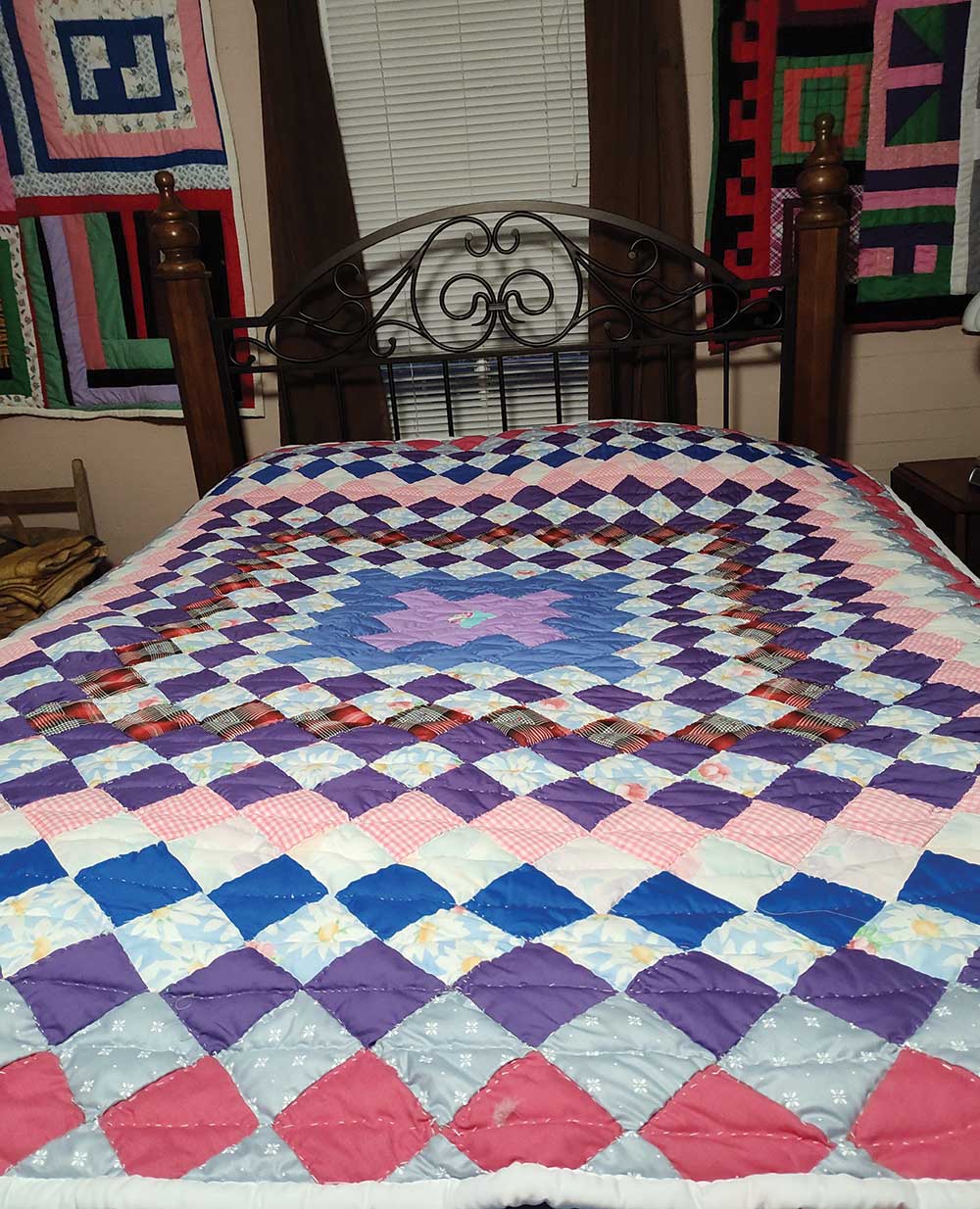
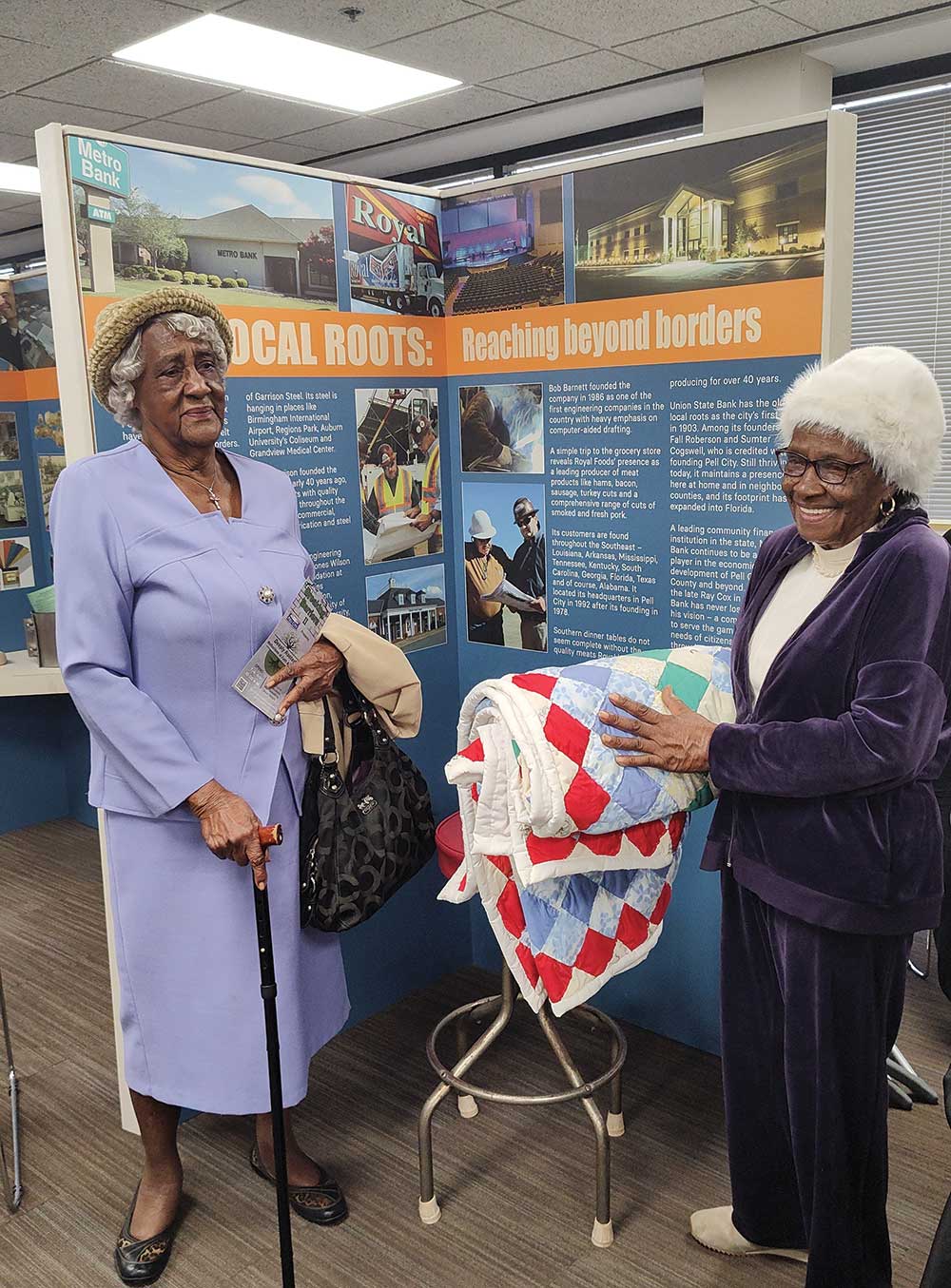
Willie Mae’s Trip Around the World quilt in a local collector’s home
When asked about wild game for food, she said, “We loved rabbit and squirrel. That was good eating.” She paused, then laughing, said, “And possum. Mama did all the cooking, and everything she made was good.” Obviously enjoying remembering, she continued, “She made good dressing, good cakes, good custard, good biscuits.”
When hog killing weather came, Willie Mae learned from her mama about sausage, souse meat, and chitlins.
They used some less desirable cuts of pork to grind up for sausage, adding pepper and sage to the mixture. Willie Mae’s dad had a smokehouse where they hung the sausage, but the other cuts of meat they salted down in a wooden saltbox.
Asked about old-timey head cheese or souse meat, Willie Mae smiled, “I always made the souse meat. Made it out-a the head, and out-a the feet, and out-a the ears. We had a big pot, and I’d put it all in a pot and boil it till it got done, I’d pick all the bones out of it, and start mashing up the meat with my hands. Then I’d grind that all up with the sausage grinder. And that’s when I’d put different spices in it.” They formed the meat into a loaf shape to let it set until it was firm. Some call souse meat the original deli meat, for it makes delicious sandwiches.
Nothing about the hog went to waste, not even the intestines. They cut them into short pieces and washed them over and over until they were clean. “We’d get as much fat off as we could,” Willie Mae said. “We cooked ’em in a boiler for several hours with salt and pepper. Some folks fry ’em, but we didn’t, we just boiled ours till they got done. To me, that was some good eating.”
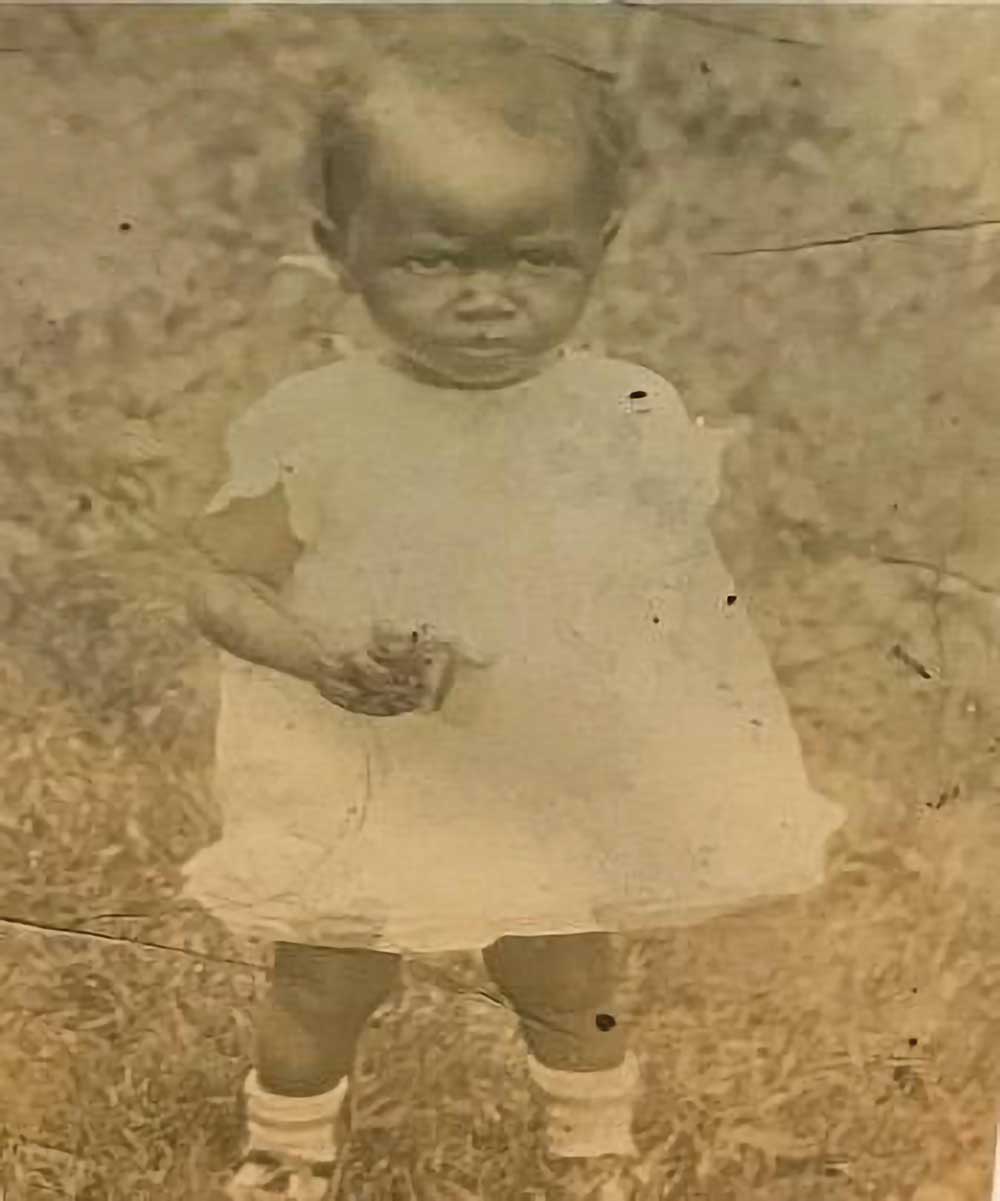
Willie Mae’s baby photo
Today chitlins are regarded as solely a Black culture soul food, but Rev. Larry Adams of Mt. Zion Baptist Church in Springville can attest that chitlins are served in restaurants in France. Rev. Adams was on a teaching mission trip in Paris with Pastor Chipley Thornton and Pastor David DuPre from Springville First Baptist Church. For lunch one day, the three went to a Paris restaurant. Unable to read French, Pastor DuPre pointed to a picture and ordered it. When their meals were served, Rev. Adams looked at his friend and said, “You’re eating chitlins.” His friend said, “No.” Rev. Adams said, “I know chitlins, and you’re eating chitlins.” Sure enough, when they translated the menu offering it was chitterlings, or in Alabama, chitlins.
What Willie Mae learned growing up, she continues today, which includes growing vegetables. “Folks need to raise stuff,” she vows decisively. “If they don’t, they not gonna have anything to eat. The stores ain’t gonna have it. If you don’t raise it, you ain’t gonna have nothing to eat.”
She now gardens with baby brother, Larry Turner, and their garden is weed and grass free. When asked what they grew, she laughed, “We grow everything that can be raised – turnip greens, mustard, onions, green beans, tomatoes, cucumbers and all such stuff as that. Anything that can be raised. We always had a good garden. Larry had a jam-up garden. Me and him been raising a garden.” She paused, then said, “They say I’m lazy, but I just done got old.”
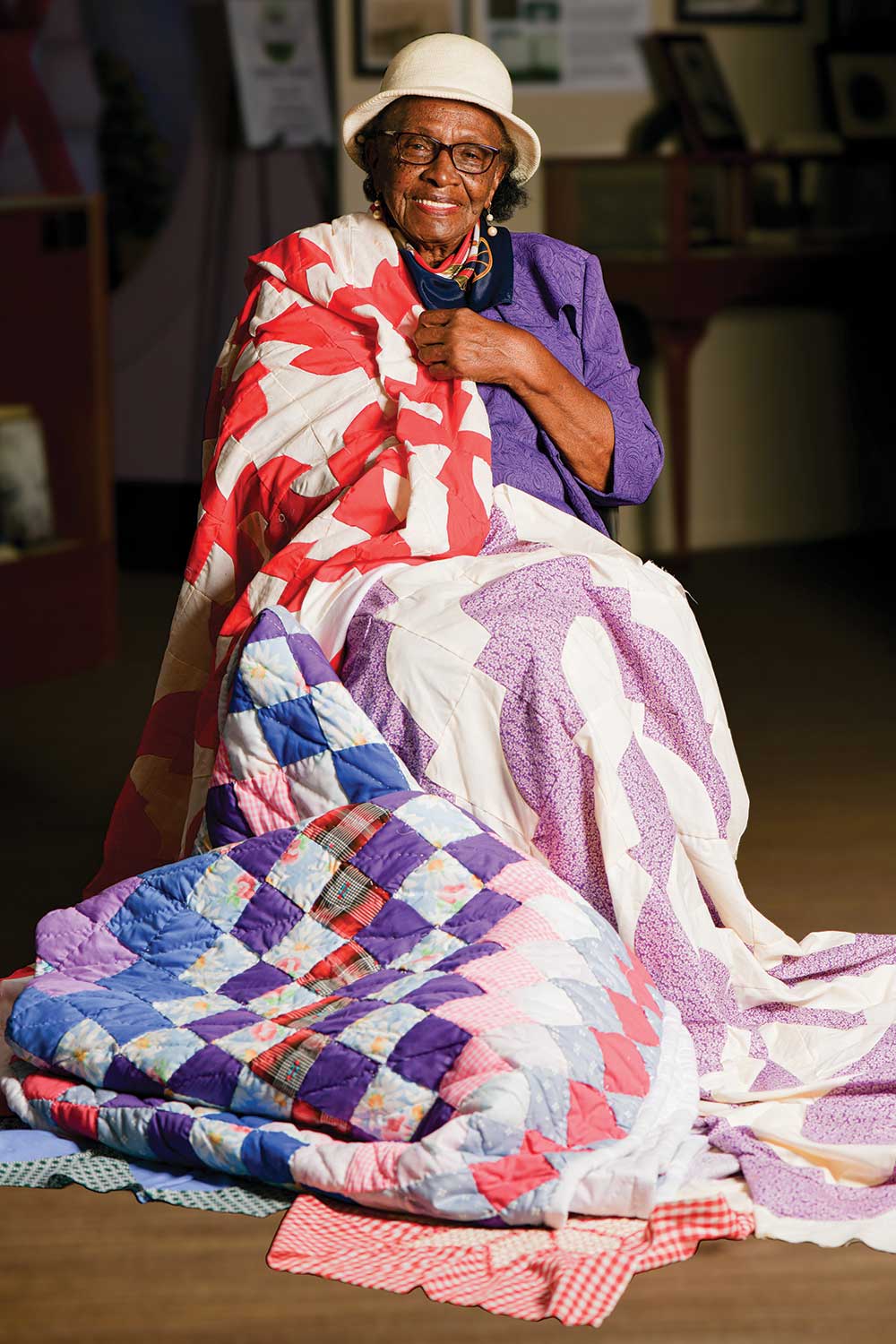
She may have slowed down, but “lazy” is not a word that fits Willie Mae Beavers. No lazy person on God’s green earth sews quilt tops and quilts them by hand. Willie Mae does, and her quilts are treasured by family, friends and folks she’s never met. A commendation from the Alabama House of Representatives read by Representative Hall on May 16, 2017, records that “…her magnificent quilts are displayed in homes across the United States,” and that “…many have received one of her famous quilts in celebration of a significant life milestone.”
Willie Mae’s love of quilts perhaps started with her grandmother, Henrietta Turner, whose house was a short walk through the woods from Willie Mae’s. “We walked over there to her house every day. She never acted like she got tired of us. She was a good grandmama.” And her love of quilts may have started with her grandmama, for she recently reminisced, “I used to enjoy looking at her quilts. She used to have these frames that you hang up in the house from the ceiling, and you had to hang ’em by their four corners. She hung it up and let it down to quilt on it. She used what she had to make ‘em: old clothes, pants and things.” Then, laughing, she said, “You know what, I went to the library the other day and saw these cotton carders, and I said, “Oh, my mama had some of these.” Carders were used to separate cotton from the seeds so the cotton could be used as the inner batting (padding) for the quilt.
Willie Mae enjoys talking about quilts. “I treasure quilts, but young folks …” she paused and shook her head, leaving the “don’t” unsaid, then continued on a happier note. “Mama always quilted. She made pretty quilts. My quilting’s not as pretty as hers.” She used cloth flour sacks, feed sacks and fertilizer sacks, when she began learning to quilt.
Bought fabric in quilts was unheard of among rural folk in the 1930s and ‘40s.
“I’d get the empty ones,” she said recently, “and wash ’em and I started making quilts from them.” Then came the phrase, “Back in them days, you didn’t buy anything. You had to use what you had. So, I would quilt, and I didn’t really have patterns then, it would just be blocks that they called the Nine Diamond.”
She still makes the Nine Diamond, but other quilt patterns she likes include Trip Around the World, Monkey Wrench, Stars and Bow Tie. “Nothing fancy. These real fancy quilts with a whole lot-a pretty little bitty pieces – I don’t do that,” she laughed. “I don’t know how old I was when I started quilting. But I been doing that all my life. I’m 98 years old, but I’ve been quilting – piecing and quilting all my life. My mama did it, and what I did, I tried to do it like her.”
An ear for piano
One thing Willie Mae does that she didn’t learn from her mother is playing the piano. Knowing her daughter wanted a piano, Mrs. Turner went to a piano store in Anniston and bought one. “I know she got tired of me playing, but she never told me to stop.” Willie Mae pauses to reflect, “If somebody ask me to play in the key of C or F sharp, I wouldn’t know what they was talking about. The Preacher one time asked me to play ‘Precious Lord’ in C. I played if for him, but I didn’t know if I played it in C,” she laughed.
She never took piano lessons, but she could play on the piano whatever she heard sung or played on the radio. At age 14, she began playing piano for Blooming Light Church, and she recalled how that happened. “I’m sure they had other players, but Mr. McHugh came to Papa and said, ‘I heard your daughter played the piano.’ And I started from there.” She couldn’t remember what month and year she started, but she continued as pianist and music director until in her 90s when COVID kept her and the congregation away from church services. “The first song I played at church,” she recalled fondly, “was ‘The Old Account Was Settled Long Ago.’” The last song she plays in church is yet to come.
Willie Mae and good friend Johnnie Mae Green
Willie Mae’s baby brother, Larry Turner, says folks need to know that she was not only the pianist at Blooming Light but that she was also the Minister of Music there and was Minister of Music for Riverside and for Rocky Zion for a while as well.
“I played for Rocky Zion,’ Willie Mae reflected, “and I played for Riverside, and for Peace and Goodwill.” Her dad, Rev. James R. Turner, was pastor at Peace and Goodwill at Riverside.
Asked if she played piano for her dad, she answered, “I played for him. Mama told me, ‘You got to.’ I went to all the revivals. That was fun.” She pauses a few seconds and adds sadly, “But church ain’t like what it used to be back in them days. We never sung anything but the old songs. ‘The Old Account Was Settled.’ ‘Oh How I Love Jesus.’ ‘Precious Lord.’ Old songs.” She laughed and said, “Now, I can play for old folks, but I can’t play for teenagers.” Lots of people agree with Willie Mae that the old songs are the best songs.
Larry Turner is proud of his sister and fondly affirms, “She’s legendary. Everybody knows her. Everybody loves her.”
Recently someone asked her, “What would you tell young people about your secret to living almost a hundred years?
“Now, you’re not the first one to ask me that,” she laughed. “And I tell ’em, well, ‘I can’t tell you, cause I do not know.’ She pauses, then says, “I tell ‘em, ‘I come up poor; I worked in the fields … I’ve worked in the fields all my life. I worked in my daddy’s field, and after I got grown, I worked in other folks’ fields. And I’m still here for some reason.”
You’re still here, Willie Mae “Snookie” Beavers, because you’re a St. Clair County and Pell City, Alabama, treasure and we need you. We need the harmony of your music, the beauty of your quilts, and your example of “work hard and live long.”
Most of all we need to hear you telling us how it was “back in them days” so we don’t forget the stamina and character of our ancestors and how they lived and worked and reared families.
You are one-of-a-kind, as all treasures are, and we thank God you’re still here.