




Coal City History

When mining helped turn a
crossroads into a thriving community

Story by Jerry Smith
Photos by Jerry Martin
Submitted photos

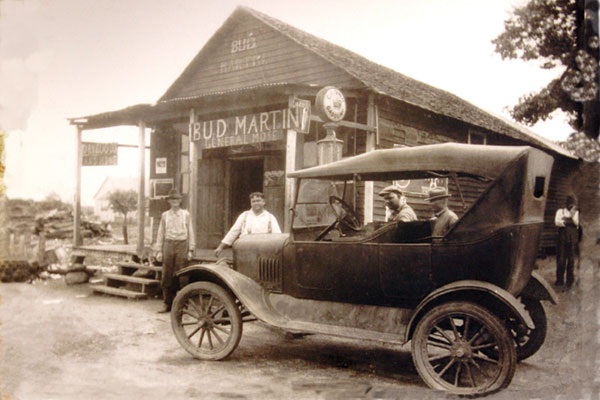
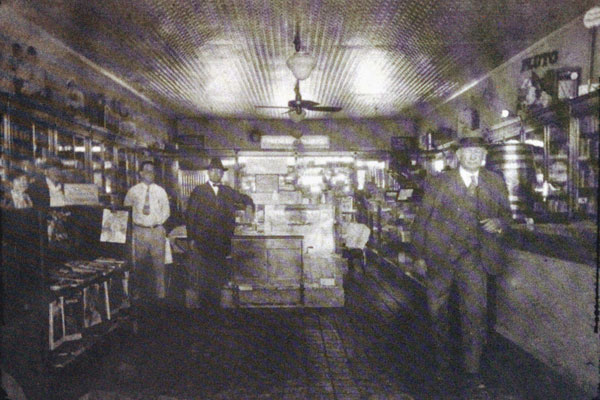
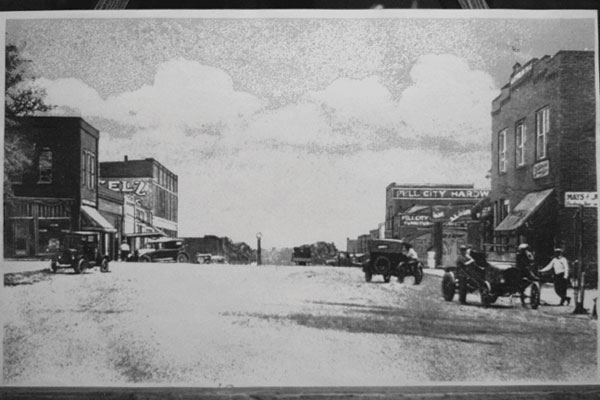
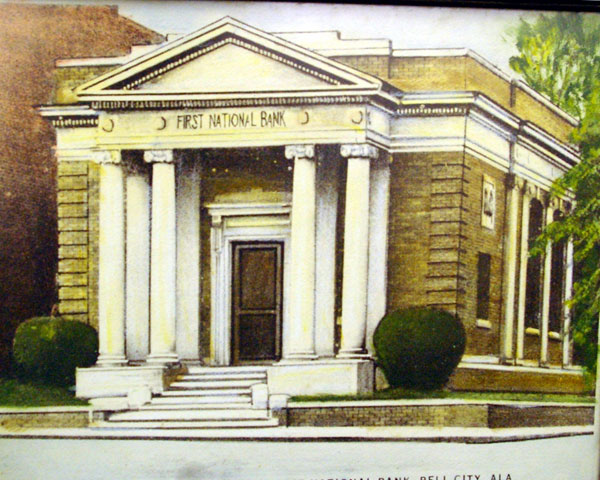
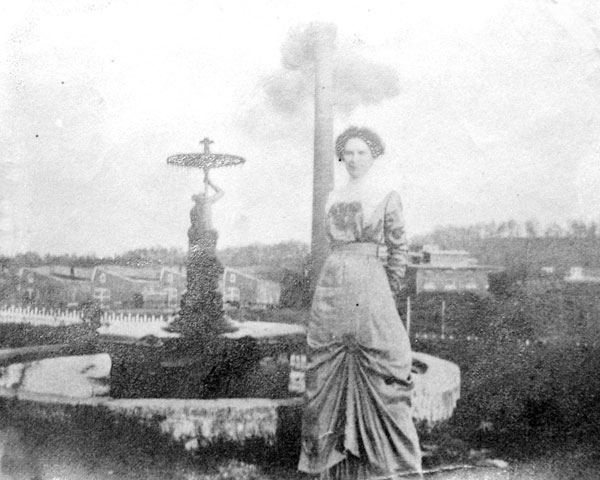
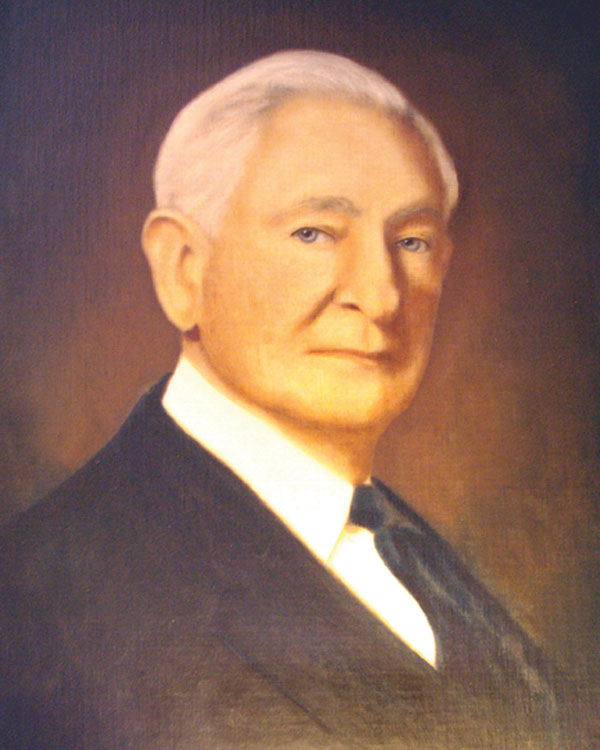
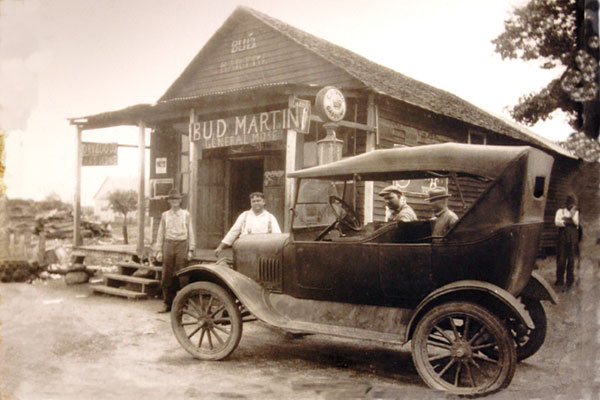
In 1910, Coal City was home to some 1,200 souls, far outstripping Ragland’s 600 and Pell City’s 400 combined. In fact, Coal City was once considered for a second county seat, but Pell City was somehow chosen instead. It was a coal mining boom town of impressive proportions, although you’d never recognize it as such today.

The first white settler to put down roots there was John Bolton, who arrived with his family in 1820. According to a Southern Observer story by Mattie Lou Teague Crow, Bolton had followed an Indian trail which ran from the Creek village of Cataula (now Ashville) to Cropwell.

They found their “four forties” of homestead land at the intersection of another Indian trail running from the Coosa River to today’s Friendship community. Bolton built a log cabin approximately where Old Coal City Road crosses Alabama Highway 144, and the area became known as Bolton’s Crossroad.

According to legend, a mixed band of settlers and friendly Indians were hunting on Bolton’s land. One of the Indians shot a deer, which fell into a creek. His arrow had broken when it entered the deer. As they ran to retrieve the kill, the Indian shouted “Thle Teka”, which is Muscogee for broken arrow.

Thus was the creek named, and the new settlement. Broken Arrow Post Office was established in 1839 in the home of its first postmaster, Francis Barnes Walker, who held that post until the Civil War. More settlers began moving into the area, building homes, schools, churches and other frontier accoutrements.

An abundant seam of coal was discovered by William Gould of Newcastle, England, who had heard of major coal deposits in the area. Gould and other pioneers dug wagonloads of coal from surface outcroppings and transported it on flatboats via the Coosa River to Selma and Wetumpka.

Gould formed Ragland Mines Company in 1854, and owned other coal lands in Shelby County. Somewhere around the 1850s, Broken Arrow became known as Coal City — a dependable source of quality coal of many types. During the Civil War, shipments of coal escalated in support of the war effort.

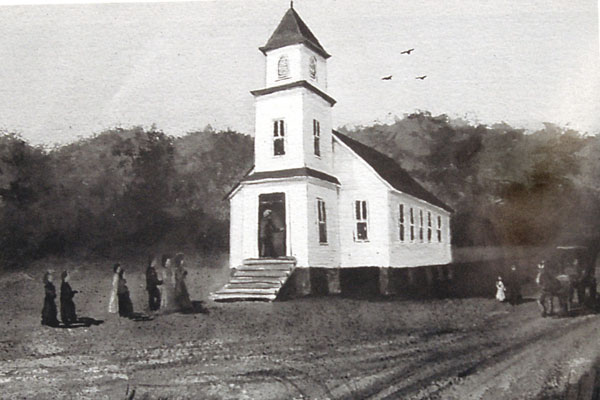
Harkey’s Chapel Methodist Church was organized in 1829. Its ministry survives today as one of the oldest in St Clair County. Mrs. Crow relates a legend about Harkey’s cemetery: the first burial was not a local resident, but rather a child from a tribe of gypsies who were camped nearby.

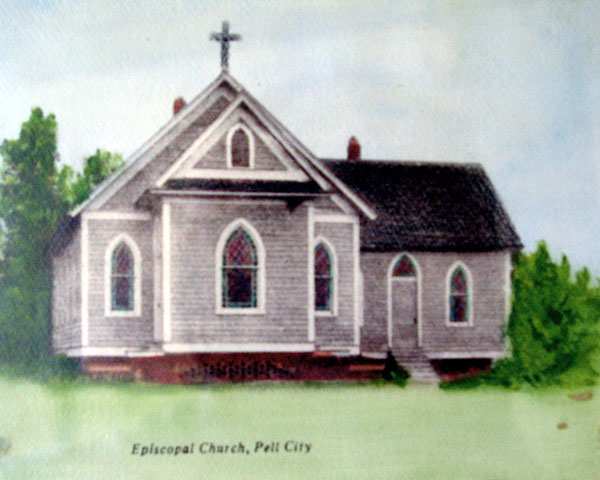
Other churches followed: Refuge Baptist in 1860, Broken Arrow Baptist in 1890, Pope’s Chapel Congregational Methodist in 1904, Shiloh Baptist (African American) in 1913, Mount Moriah Baptist in 1925, Wattsville Church of God in 1945, and Wattsville Freewill Baptist in 1947. In earlier days, some of these churches shared circuit rider preachers on alternate Sundays. Their churchyards host some of the oldest marked burials in the county, pioneer families such as Alverson, Barber, Carr, Rowe, Bibby, Milam, Savage, Crump, Weathers, Walker, Manning, Layton, Pope, Edge and Byers.

An old Birmingham Ledger article cites the Alverson & Moore firm as the oldest commercial business in Broken Arrow. They dealt not only in mercantile goods, but also operated a few mines, eventually constructing a two-story building to handle their operations.

The settlement had a succession of names, including Bolton’s Crossroads, Slope, Broken Arrow, Coal City, Wattsville, Old Town and New Town. Pell City native Sharon Gant says you can always tell a stranger because they pronounce Broken Arrow exactly as written, with four distinct syllables, whereas tenured locals always call it Broke-nar (two syllables).

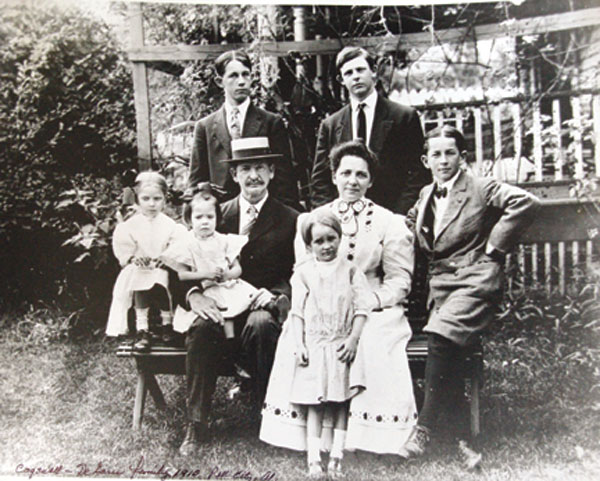
According to Mrs. Crow, not long after the Civil War, George Washington Daughdrille brought his family from Demopolis to settle there. Daughdrille was educated at Howard College (now Samford University) while it was still in Marion, Ala. He had served in the Confederate Congress and, near the end of the war, joined the CSA army and fought under J.E.B. Stuart.

Once a wealthy man, he had lost most of his fortune in that war, like many other Southerners. The small wherewithal he had left was invested in coal interests at Broken Arrow. Though cash-poor, the Daughdrilles still owned a few trappings of wealth, among them some fancy French furniture, a rosewood piano, a harp and a small library.

Mrs. Crow relates that Mrs. Daughdrille was quite a musician, often entertaining their rustic neighbors in their log cabin with the music of Bach and Beethoven, and loaned books to those who could read.

The Daughdrilles also donated land for the Broken Arrow cemetery. The first burial was their infant grandson, “Little Jim” Daughdrille, whose repose was eventually joined by other family members and local pioneers. This cemetery, across from Broken Arrow Baptist Church, is a story unto itself.

It’s sited on rolling knolls with scant level space. Sisters Sharon Gant and Adonis Milam Fisher tell us that the ground there is so hard and rocky it was often necessary to use explosives borrowed from the mines at Ragland when digging graves. And then there’s the matter of the Broken Arrow ghost. (See sidebar story)

Daughdrille sold his mining interests in 1883 to John Postell, a business promoter. Postell changed the official town name from Broken Arrow to Coal City. He also built a narrow-gauge track called the East & West Railroad from Coal City to Cedartown, Ga., for shipping coal to various other rail connections.

Seaboard Air Line Railroad eventually bought this line as part of a new system that ran from Birmingham to Atlanta and all points beyond.

Seaboard converted the East & West Railroad to standard gauge and added a 7-mile section to connect with Central of Georgia in Pell City. Its roadbed comprised present-day Pell City’s oddly-angled Comer Avenue and Old Coal City Road, connecting with Seaboard’s main line near Wattsville Freewill Baptist Church. Coal City residents Clarence Alverson and Gilbert Pope recall hopping free rides to Pell City on the “Hoodlum”, as the train that ran this route was called.

This new rail link shifted the town’s geographical center northward a mile or two as the whole area began to build and prosper. Coal City officially incorporated in 1910.

There were four major coal seams: Dirty Dozen, Coal City, Broken Arrow and Marion. In fact, there was so much coal that residents picked it up off the ground or pried it from outcrops to heat their homes. In total, the coal basin runs about 32 miles long and two miles wide, ample reserves upon which to build a thriving local industry.

Mrs. Crow reports that some 600 to 700 miners worked at Coal City, often on overtime. Two new iron ore mines near Kiker’s Camp on the Coosa River employed more than 100 additional miners and brought even more settlers.

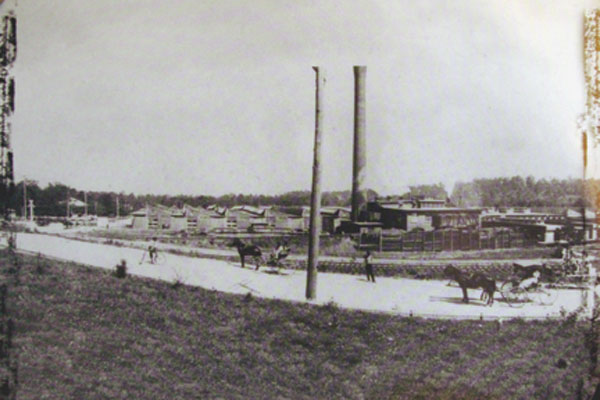
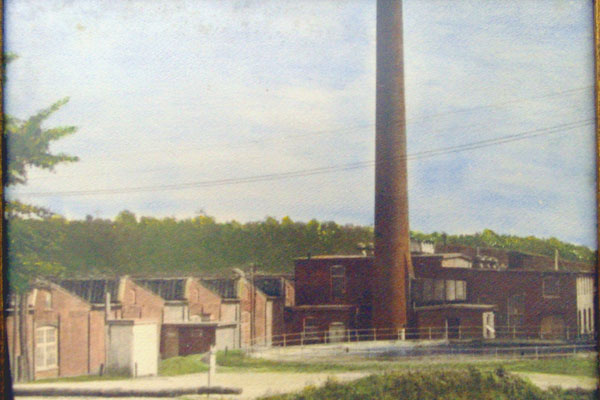
The quality and variety of Wattsville coal became widely known. Coal from the Bibby mines was especially good for use in blacksmith forges. Soon there were several mining interests in the area, including at least one Japanese company. Imagine the conflict of interests this caused as World War II became imminent. But all this mineral prosperity brought a few problems. A huge array of coke ovens was built near Shiloh Baptist Church, in an area Paul Manning calls Dog Fennel Ridge, where his father was born. These ovens roasted native coal to produce high quality coke, destined to stoke blast furnaces in Birmingham and elsewhere. Mrs. Crow describes the ovens thusly, “… they were in constant operation, belching forth evil-smelling, lung-choking black smoke.”

Another cottage industry flourished as well, evidenced by the name of a local waterway, No Business Creek. Locals all agree that its name has always meant “if you ain’t got no business there, don’t go.” Apparently, it supplied water for some questionable private enterprises. We can probably assume that a nearby place name, Home Brew Knob, had similar origins.

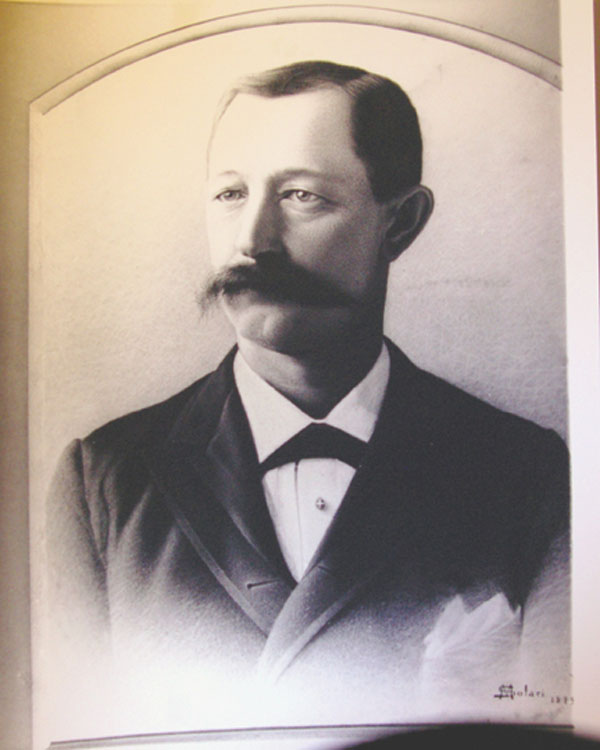
A major player in Coal City’s future was an ambitious politician/investor named T. Watt Brown, who already owned extensive land holdings in St Clair County. He re-organized the Ragland Coal Company in 1896, and eventually spread his mineral empire to Coal City and beyond. It’s been said you could walk from Ragland to Odenville on Brown’s land.

On Jan. 16, 1929, Watt managed to get the Coal City Post Office changed to Wattsville Post Office. Soon afterward, according to a story in Southern Aegis, 1929, Seaboard Railroad changed the name of their station, and a State Geologist re-designated the coalfield as Wattsville Coal Basin. In one fell swoop, T. Watt Brown had managed to get everything in sight named after him.

This did not sit well with many residents. It was felt that Brown had used undue political influence in forcing the PO name change but, if so, Brown seemed to have covered his tracks well. Petitions were signed, meetings were held, and serious threats were made, but the name persisted even unto today. Gadsden Times reported that some residents were so outraged they started receiving their mail via RFD from Pell City and Ragland rather than have it addressed to Wattsville.

Sharon Gant speaks of her mother, Elvie Milam, who would not utter the word Wattsville at all, citing a Bible verse that urges Christians to refrain from speaking of unpleasant, evil things. To Mrs. Milam, and apparently many others, Wattsville was a cuss-word.

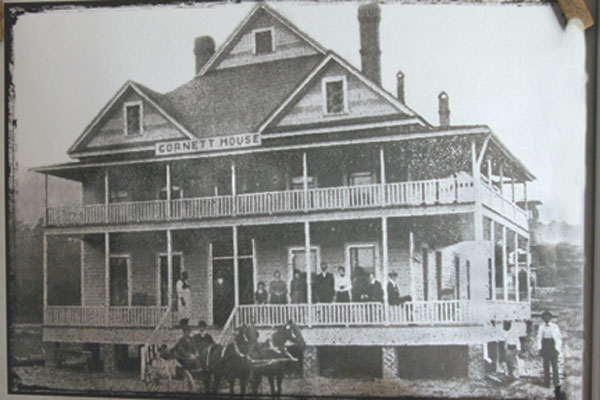
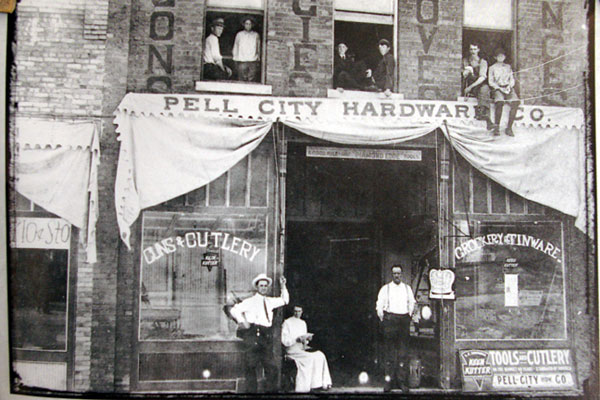
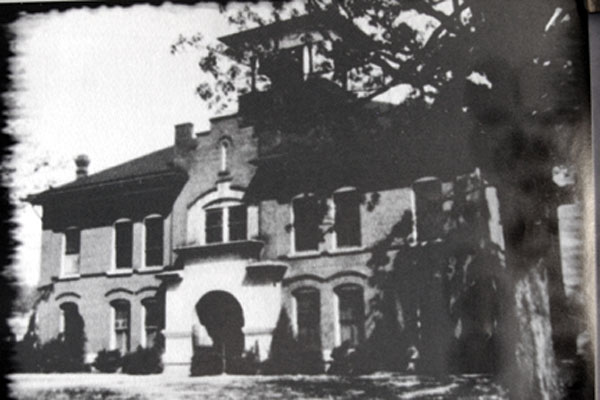
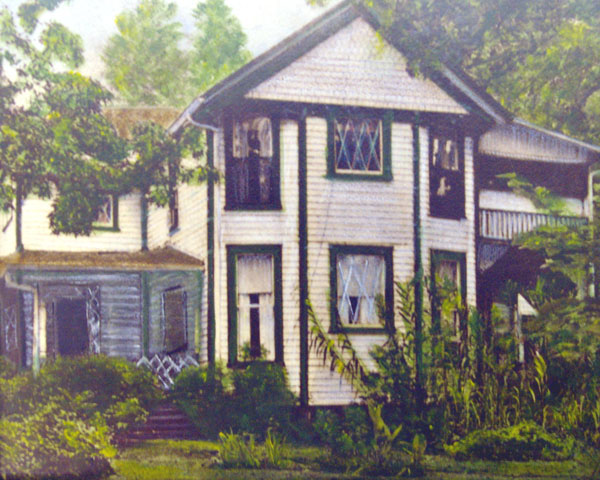
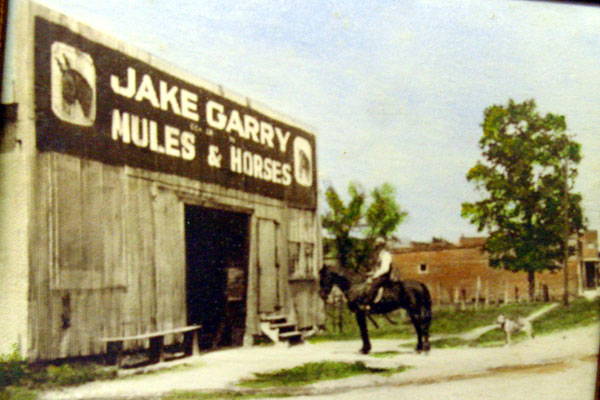
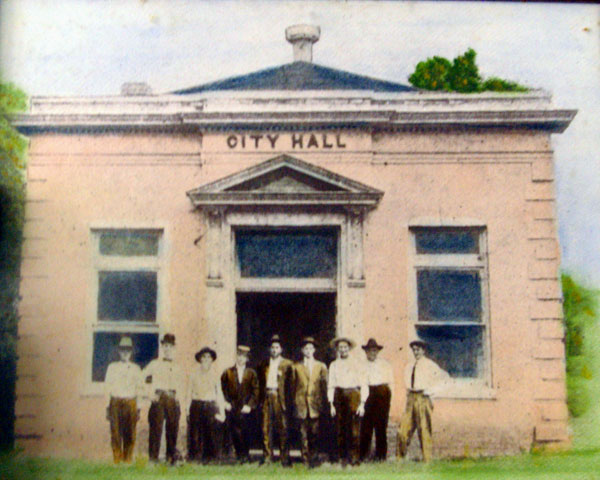
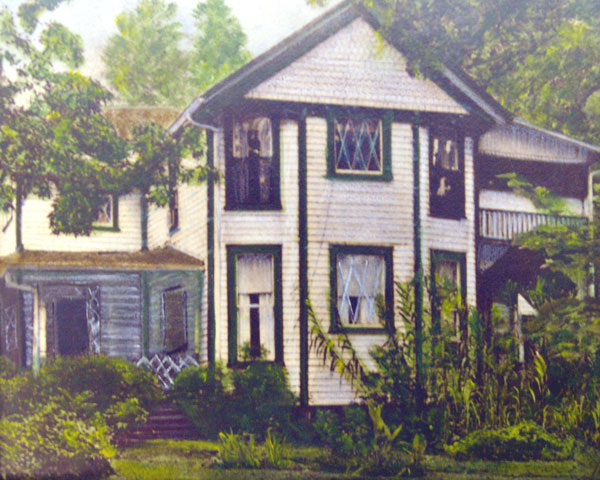
Wattsville/Coal City became a true boom town, with a large warehouse, mine commissary, hotel which still stands today, several barber shops, livery stable, a casket factory, city hall, jail, some stores, pool halls, and several boarding houses, the most noted being Mrs. Louisa Alverson’s. Her prize roomer was none other than T. Watt Brown himself.

According to Mrs. Crow, the town’s social life consisted mainly of “… school concerts, church socials, dinners at the hotel and joy rides through the scenic hills to the river.” Men folks attended meetings at three fraternal lodges — Order of the Red Men, Odd Fellows and Woodmen of the World. A Masonic lodge opened later. All three original lodges shared Red Men Hall, which also housed a school and community meeting area. The Red Men, America’s oldest lodge, dated back to the Sons of Liberty in Boston. Their Broken Arrow chapter was active from 1889 to 1921.

The Wattsville/Coal City area built a succession of eight schools. The first was in the old Refuge Baptist Church building, followed by Old Town School near Broken Arrow Baptist Church, then Red Men’s School which met in the Red Men meeting hall. Next came Robinson School in Pope’s Chapel, then Rowe School at Mt. Moriah. The first Coal City School, built on a hilltop in 1919, taught all 12 grades. The last two students to graduate were Joe Black and Inell Savage, in 1929.

After that, Coal City School, also known as Rabbit Hop, served only elementary grades until it burned in 1951. Today’s official Coal City School is on US 231, near Paul Manning’s BBQ. Gilbert Pope relates that in the late 1920s an airplane was scheduled to fly over Coal City, and the school was let out to see it.

Pope also tells that electricity didn’t come to Coal City until the late 1930s, and the only fully-paved roads in the entire county were US 78 through Pell City and US 411 through Ashville. This was during the Great Depression, when Pope remembers working all day for a small bucket of syrup.

Whatever level of prosperity Wattsville had enjoyed in the earlier part of the century, the whole enterprise has gradually and mysteriously dwindled to nothing. Paul Manning, born in 1952, says it was essentially all over by the time he started school, except for a few strip mines owned by a Blount County firm. No one living today seems to know what actually caused the decline, whether from competition from DeBardelaben’s operations in western St. Clair, or conflicts of interest from Japanese-owned mines at the beginning of World War II, or just a mature community that had simply moved on to other interests.

There’s still a Wattsville Post Office and a water works, but one must now explore many side roads among Alabama’s lush foliage to find remnants of the now-unincorporated town’s former greatness — an abandoned city hall/jail, an old hotel that’s currently being renovated, several pioneers’ homes, cemeteries full of their families, and a few enigmatic road signs like Home Brew Knob, Memory Lane and No Business Creek.

For Their Service

New veterans home goes above and beyond expectations

Story by Carol Pappas
Photos by Jerry Martin

It may be an overused cliché when a sight is so mesmerizing, so impressive that it takes your breath away. But just inside the grand entrance to the Col. Robert L. Howard Veterans Home is a sight that … well … takes your breath away.

There is no institutional setting here — no hospital-like rooms lining the hallways, no dark corridors where the only light comes from an occasional window or door.

Step inside, and you think you are in a mall or strolling along a quaint downtown street. Vintage signs hang from the tops of a series of storefronts enclosed mainly in glass, not walls. Barber shop, pharmacy, beauty shop, library, chapel, Stars and Stripes Café. They line the stone-tiled corridor, beckoning one and all to come inside and have a look.

Once within, the light streaming through windowed walls overlooking an expanse of lush, green courtyards and meandering paths lets you know immediately this is indeed a special place.

“If you ask veterans where they would rather be, their answer would be, ‘I’d rather be at home.’ ” said Rear Adm. Clyde Marsh, commissioner of the Alabama Veterans Administration. “We tried to create a home they would like to go to and enjoy. We think the veterans will be happy here.”

Filling all of its 27 acres just north of Interstate 20 in Pell City, this sprawling town, as it could be known, has a main street, a town center, neighborhoods and homes all under roof.

Outside are courtyard gardens, and homes have classic back porches complete with rocking chairs.

The neighborhoods come together in what is called Town Center, a huge room with a towering stone fireplace heading upward to a skylight and pine cathedral ceilings. It has the look and feel of a Colorado ski lodge with fireplaces opening on two sides and cabinetry and large-screen televisions on the other two.

Floor-to-ceiling windows bathe the room in a warm glow — the kind of place where people will naturally gather. It can be used to hold events for the veterans as well, said Manda Mountain, who is the Alabama Department of Veteran’s Affairs director for the Col. Robert L. Howard Veterans Home.

From the town center are three neighborhoods with names like Victory Way, Liberty Lane and Patriot Place with three homes in each, enough room to accommodate 126 veterans.

Architects get marching orders

“Putting it in perspective, it’s a new design concept for state nursing homes for veterans,” Marsh said. Williams Blackstock Architects of Birmingham designed it “from the ground up.” There was no blueprint or model, just an admiral’s order to create a home worthy of veterans’ service and sacrifice, not an institution.

“We wanted it built with dignity, the comforts of home, serenity — all that in mind,” Marsh said. “We wanted a warm environment so people could enjoy it.”

That was no easy feat for 240,000 square feet on one level alone, said architect Joel Blackstock, principal-in-charge on the project. “Admiral Marsh really pushed us to make it state-of-the-art, not like any other.”

The concept was “ to provide a sense of community throughout for the residents because it really is like a small town or village,” he said. Lead architect Sean Whitt worked full-time on the site to oversee the construction process.
Existing facilities of this type are typically institutional in character, with nurses’ stations and rooms. Not here. It is divided into neighborhoods with three homes — each housing 14 veterans in their own private rooms. Once inside the home, instead of narrow hallways with rooms on each side, the centers are wide open and contain a full kitchen, a dining room and living room, with bedrooms on both sides — just like a home.

Meals are prepared in the main kitchen, but prepped in each home’s own spacious kitchen with all the amenities, so veterans can actually see and smell what is cooking before it is served in an adjoining dining room — all right there in their own home.

Each house has a living room, dining room and kitchen shared by a small group of residents. Three houses form a neighborhood with its own lobby, and there are private “family rooms” for out-of-the-way visits and overflow visitors. “The neighborhoods surround a town center, complete with a main street, similar to the small towns many of us grew up in,” Blackstock said.

Williams Blackstock interior designer Jennifer Tillman’s attention to detail is apparent — from the blend of aesthetic and patriotic paintings to a mix of leather and cloth sofas and chairs. They are the perfect complement to their homey surroundings. Private rooms feature tall wooden shelves with room for a large-screen television — all residents will have one — books, framed photos and other personal items. A stylish armoire holds a wardrobe.

While beds are equipped to move up and down like the hospital variety, headboards and footboards are made of wood, not metal, giving it more of a home-like look and feel.

Bathrooms are spacious — built for easy access — and huge walk-in showers are examples of the latest trends in home design. Every room has its own window with an exterior view.

A stroll down main street

Acting as tour guide on a walk down the building’s ‘main street,’ Marsh talks of how the Veterans Home got its name. Col. Robert L. Howard was an Alabama Army veteran, Medal of Honor winner and the most decorated soldier in history.

A glass display case built into the wall is dedicated to Howard’s life as a soldier. Five more cases line both sides of the main tiled avenue leading to the town center. They represent each branch of the service — Army, Navy, Air Force, Marines and Coast Guard, and all the cases will have memorabilia commemorating their service to country.

Kim Justice, executive director of state Veterans Homes, points out features along the way. And there are plenty of them.

The first feature that dominates a stop inside any of the ‘shops’ is oversized windows that frame a courtyard scene. “Each courtyard is unique with a wandering path that gives it a different look and feel,” she said.

Just down the way a bit is the Stars and Stripes Café, a sports bar where veterans can gather for pool, cards, checkers and other games. They can watch events on a big-screen TV and be served their favorite soft drink or “mocktail,” Justice said. “It’s a place to gather and enjoy each other.”

Just across the way is Eagle’s Landing, the main dining room. Both the café and the dining room open out into the town center, the focal point of the complex with walls of stone custom cut onsite to fit.

From the wood-beam ceilings to skylights to an imposing stacked-stone fireplace, the concept is “a resort town center. We were trying to capture it all,” Marsh said. It was a challenge to have a building this big meet the needs but still achieve the atmosphere it obviously conveys. “We are one of the first in the nation to have a home of this size, style and of this concept.”

From the town center, you can head in any of three directions to the neighborhoods. Along the way are multi-purpose rooms, conference rooms and whirlpool bathing suites.

On both sides of a grand lobby in the entrance to the building are a two-story domiciliary wing for more independent living in small apartments called Freedom Court and an Alzheimer’s/Dementia unit called American Harbor. This independent living area is the only one of its kind in Alabama veterans homes.

It is a veterans home of comprehensive care, the first of its kind in the state and a sharp departure from traditional veterans homes across the nation.

Partnerships fuel progress

The $50 million project’s location in Pell City did not happen by accident. Some pretty enticing variables came together at just the right time that made the decision an easier one for Alabama’s fourth veterans home.

St. Vincent’s St. Clair, the county’s new hospital, located just across the street. Jefferson State Community College, known for its nursing program, is just down the block on the same campus.

The three have become partners in a win-win-win for all involved. Specialists from the hospital can be utilized by the Veterans Home. If a veteran needs hospitalization or emergency care, the proximity is ideal and the resources immeasurable.

Jefferson State not only gives the entire area a college-campus atmosphere, plans call for students from its nursing school to be involved in rotations at the veterans home, giving them real-life work experience. There will be opportunities for internships, volunteering and permanent employment.

It was a “perfect fit,” said Justice.

Along the way, the partnerships with the hospital and college along with the support of City of Pell City, the mayor, County Commission and Chairman Stan Batemon, and St. Clair Economic Development Council “tipped the scales” in Pell City’s favor, Marsh said. “They would do anything they could to help us build this home.”

And later this fall, veterans will be welcomed to a special place created just for them.

“Admiral Marsh wanted something of the highest quality — extra special,” Blackstock said. “It has been very rewarding. It is nice to see the Veterans Administration putting so much care and effort to see that it is a state-of-the-art facility, not only for the health of veterans, but just as importantly their quality of life. I don’t think there is anything exactly like it.”

The Ultimate Pony Car and Other Cool Rides

Story by Graham Hadley
Photos by Jerry Martin

Want a car exactly like Steve McQueen’s “fast machine” from Bullitt?

Want to give your vintage Mustang Fastback the latest in modern suspension, engine, exhaust, add air conditioning and power seats and have it meet emissions regulations in all 50 states?

Want to turn your SVO into a street-legal racecar?

Or do you just want your 1964 1/2 Pony Car restored to show-room new (or your El Camino, or Fairlane or Lincoln Mark VII for that matter)?

Then you need to talk to Paul Becker and Jason Nance at SVP Unlimited in Odenville.

Paul and Jason have decades of experience working with cars — both sharing a love of vehicles since their teenage years — and have successfully turned that into a thriving custom-vehicle business located on at the back of a small business complex just off Highway 174 in Odenville.

One glance around the garage and surrounding lot, which is full of vintage and specialty vehicles in all states of repair and, in some cases disrepair as parts are pulled for other projects, and there is no question that SVP specializes in the iconic Ford Mustang. But Paul and Jason don’t draw any lines in the sand when it comes to cars — they will work on just about anything.

Paul is the owner, but quickly points out that the business is a partnership and that they both bring essential skill-sets and a dedication — or “obsessive compulsiveness” as he puts it — to detail.

“We may not do the fastest restorations in the business, but we want to turn out the best vehicles we can, and that takes time,” Paul said.

And for customers who are willing to wait — unless they have lots and lots of money on hand — that patience pays off with some of the finest custom rides produced anywhere in the country.

“If someone came in here and said money is no object, then we could probably turn one of these restorations around in a year, but the average is two to four years, sometimes more,” Paul said.

One of the vehicles they were rolling out that was nearing completion is a replica of a vintage 1967 Shelby Cobra GT 500 — a compilation of three different vintage cars combined with the most modern engine and suspension parts. They even had to cut special channels through the trunk for the performance exhaust. The price tag: around $130,000.

“We rebuilt the whole car; took it down to the welds. … It will pull 1.5 g on a skid pad, and when we finish tuning it, it will turn around 480 hp,” Paul said.

That is one of the multi-year projects, and it is a time frame that makes car modification and restoration projects possible for many of SVP’s customers. Custom car work can quickly hit the tens of thousands of dollars mark. By breaking down the work and the billing into smaller pieces, SVP does exactly what is in their customers’ budgets each month.

A few hundred dollars of work here and there, and gradually the project nears completion.

“Customers say what they can pay, and we schedule the restoration to what they can pay. That way, we can work with a wide range of budgets,” he said.
Often, SVP is hired just to do what Paul calls the “really hard work,” and will deliver a partially completed car to a customer, something perfect for one of those “father-and-son” weekend garage projects.

On top of what they do for their customers, Paul and Jason also have their own personal vehicles on site.

Among other vehicles, Jason is working on a Ford Fairlane and an El Camino. The latter is literally a labor of love. Jason’s father is a mechanic who taught him everything he knows. The first car he ever bought for his son was an El Camino. Jason is duplicating that car to give back to his father, who is too ill to work on cars anymore.

Paul did something similar for his father with a restored Lincoln.

His personal fleet on the lot includes a 1950 DeSoto Custom (complete with the original light-up hood ornament) that he plans to get running and road worthy, an older panel truck with wooden flooring that was once an ambulance, one of the classic Mercury Cougars with the sequential turn signals, and, of course, a whole host of Pony Cars — Fastbacks, at least one 1968 390 V8 (the same car used in the famous “Bullitt” chase scene), Mach 1s and several SVOs — which is where Paul got the idea for the name SVP.

Especially when it comes to the vintage vehicles, Paul keeps several “for-sale” projects in the works. He builds on the cars when he can, and they are always for sale. The price goes up on them the more work he does.

Paul has a special affinity for the Mustang SVO, which draws its name from Ford’s Special Vehicle Operations Department. They were made in limited production from 1984 to 1986 and at the time were the fastest Mustangs on the market. He has several of the specialty cars on hand, including one street-legal racecar that he sometimes drives around to get parts.

“People will look at you funny when they see you going down the road in a fully caged racecar,” he said.
It was his love of that particular vehicle that originally brought Paul to Odenville and Alabama. He had started the business in 1999 in Annapolis, Md., and focused mainly on supplying specialty parts.

He came to take part in a track days SVO event at the Gran Prix Raceway between Talladega and Munford in Talladega County and stayed with some friends in Odenville for the duration.

While he was here, he took time to visit around town and saw how people treated each other and how they did business. A few days later, his wife, who was home sick and having to work, called to see how things at the track were going.

“I told her they were going great. Then I told her, ‘We are moving here.’ She hung up on me,” he said.
But as soon as Paul got the chance, he flew his wife down here and she fell in love with the area, too.

Paul opened the first SVP in Odenville, over by the Post Office, in 2002, still focusing on selling parts, but doing some specialty car work.

Along the way, he met Jason at several car events dedicated to another car they both are fans of, the Lincoln MK VII, and soon brought him on board. Jason specialized in paint and body work.

By 2003, they were in their current location, which had more room and was better suited to their needs, and focusing more and more on custom cars. Though they still have specialty parts — and can track down more than what they have on hand, the business these days revolves around building the perfect car for their customers (or themselves).

Paul and Jason say St. Clair County and Odenville in particular have been good for their business, helping encourage and support them in their endeavors.

They are returning the favor, both by bringing in money to the community — SVP has customers all over the world; they even had a Mustang in the paint room that will eventually be shipped to London, England — and in more direct ways.

SVP is in the process of converting a surplus military High Mobility Multipurpose Wheeled Vehicle, or Humvee — what eventually spawned the Hummer line of civilian SUVs, for use by the Odenville Police Department. When they are done with it, the Humvee will go from the camouflage military paint job it has now to a more appropriate black paint that is virtually indestructible and designed to be graffiti proof.

Paul said he gets up every day getting to do something he loves for a living and expects the business he and Jason have worked so hard to build to continue to grow and flourish here.

BELOW: To read what it is like to own this piece of automotive history,
check out the story in this month’s issue of Discover, The Essence of St. Clair

Outdoor Cooking

Latest entertaining trend
going strong in St. Clair County

Story by Mike Bolton
Photos by Jerry Martin

Turn on the DIY Network or HGTV, and you don’t have to watch very long before you’ll see another outdoor kitchen under construction. A number of homeowners are now skipping the patios and decks that have long been a staple of home ownership in favor of elaborate outdoor kitchens designed to entertain family and friends.

That trend hasn’t bypassed St. Clair County. All across the county, builders are adding outdoor kitchens to the backyards of homes. Backyard tailgating has become the rage with many outdoor kitchens, hosting dozens of guests as college football teams play on television on Saturdays.

When Kenny St. John told his wife Jamie a decade ago about his dreams of building an outdoor kitchen, the fad was fairly new. She said she couldn’t even picture what he was talking about.

Today she is a fan. Their beautiful cedar-clad, outdoor pavilion in Springville gets used for everything year-round, she says.

“Kenny has a vision for things that I don’t have,” she said. “I didn’t realize just how much we would get out of it.”
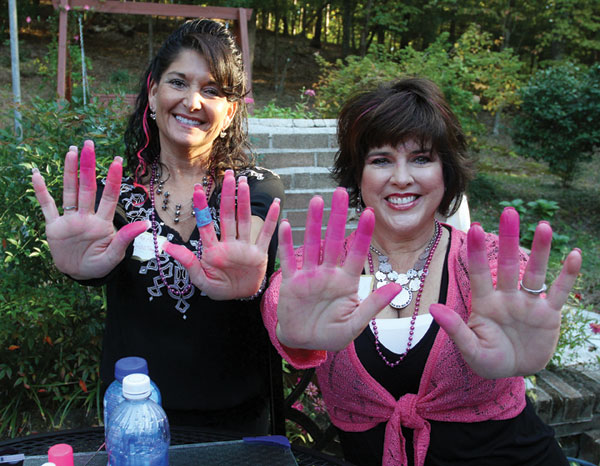
Their facility has anything anyone could ask for. It overlooks a beautiful pond where Canada geese swim as white-tailed deer frolic nearby. In the background is towering Straight Mountain.

Their outdoor living pavilion includes a 55-inch big screen television and a sitting area where visitors can take in football games on Saturdays, Sundays and Monday nights. The cooking area has a Big Green Egg, a smoker, a gas grill and a cook top stove.

There is also a meadow where their kids and visitor’s kids can play football, an enormous outdoors fireplace with its own television and a large hot tub. Visitors can also fish for catfish in the pond if they like.

“This is where I live,” Kenny St. John said as he lounged in the outdoor kitchen with an NFL pre-season game playing on the big screen television. “I stay out here all the time.

“I always wanted something like this growing up. We use it year-round. We have the fireplace and propane heaters that will keep you warm late in the football season when the weather gets cold.”

The St. Johns’ backyard kitchen has understandably become the spot to be on football Saturdays and for family gatherings.

“I have six brothers and sisters and my mother lives in a garden home so we have the only place really big enough to have everyone on Thanksgiving,” Jamie St. John said. “We had my nephew’s rehearsal dinner here. A few weeks ago we had 75 people out here for my daughter’s birthday party.”
The entertaining is nice, but what would an outdoor kitchen be without food? Kenny St. John is the master chef for all events with his wife handling all the non-meat items. He cooks turkeys and hams for Thanksgiving, but it’s his barbecue, steaks and fish fries that draw rave reviews throughout football season.

“We cook a lot of pork butts and ribs,” he said. “My wife makes potato salad, fried green tomatoes and a lot of Rotel dip and a lot of hors d’oeuvres.”
If it’s a sport it gets watched at the St. John outdoor kitchen. There’s NASCAR, drag racing and NFL football, but it all hinges around college football on Saturdays. The St. Johns are big Alabama fans and most parties revolve around watching Crimson Tide games.

“We watch everything, including Wheel of Fortune, out here, but college football is what we live for,” Jamie St. John said.
Living in such a rural area does have its advantages for really rabid football fans, the husband and wife team agreed.

“We have a cannon that we fire every time Alabama scores a touchdown,” Kenny St. John said. “One of our neighbors said he doesn’t even have to watch the game because he knows every time Alabama scores.”
If you’re wondering why in the world someone with a 7,000-square-foot home would need an outdoor kitchen, you obviously haven’t seen the view from Johnny Grimes’ Pell City backyard. And besides, who wants 100 people milling around inside their home no matter how big it is?
Grimes’ outdoor kitchen, which overlooks Lake Logan Martin and Stemley Bridge, is headquarters for many Pell City area Auburn fans on football Saturdays. A crowd of 75 people on game day is not that unusual, and the record stands at 105. Crowds are so big in fact that those who arrive by vehicle must park in a designated area away from his home, and they are brought to the party in a 15-passenger van. Some choose to arrive via the Coosa River and park their boats in Grimes’ covered slips on the water.
Once there, visitors can watch Auburn on one of two big screen televisions at the lavish cypress bar in the outdoor kitchen, or they can listen to the game as they lounge around the 52-foot saltwater pool, which has a walk-in beach. The pool is surrounded by immaculately manicured gardens and fed by a waterfall.

Grimes, who owns Johnny’s Electric in Pell City, is the chef and he prepares ribs, chickens, hamburgers, steaks and crawfish boils from his $6,500 Viking gas grill that is located just feet from the 10-seat bar. The outdoor kitchen also has a freezer, refrigerator and deep fryer.

An air-conditioned and heated bathroom is located just off the flagstone patio of the kitchen.

“This keeps all the mess outside,” Grimes said. “We cook the main dishes in the outdoor kitchen, and the breads and all the sides are cooked in the house.

“People just feel more comfortable and enjoy being outdoors on game day. They can whoop and holler and mingle, and it is a lot more pleasant for them to be out here. I built this kitchen five years ago, and everyone just loves it.”

Fourth of July celebrations were huge at Don Farmer’s home when he was a boy growing up in Springville. Literally hundreds of people would show up over a two-day period to eat barbecue and celebrate Independence Day.

“I was born on July 3 so for the longest time as a kid I thought everybody was coming to my birthday party,” Farmer said with a laugh. “With my dad now gone, I now have great memories of all those family members and friends coming to our house like that.”

Farmer says it is those memories that spurred the building of his outdoor kitchen. He says it was a project that started out small, but he admits that it kept growing until it turned into a monster.

Farmer’s outdoor facility atop Simmons Mountain is indeed monstrous. The L-shaped structure is 30 feet by 40 feet on one side and has the same dimensions on the other. It is complemented with a swimming pool and a hot tub that seats 10 people.

It features beautiful brickwork arches and stamped concrete floors and countertops. A big-screen television is the focal point every Saturday during football season. The double pavilion is designed to entertain a lot of people and it does that whenever Alabama is playing on television.

“For some of the bigger games like Tennessee, it’s nothing to have 80 people here,” Farmer said. “We’ve had people we don’t know just be driving by and stop. They just say they see all the cars on Saturdays and wonder what is going on.”

Farmer is an excavator by trade. He says no engineers were involved in the massive project, and no plans were ever put on paper. He said it was “just all in my head. It all began when my granddaughter Chassidy said she wanted a swimming pool,” Farmer said. “I told her Nana would run down to Wal-Mart and get her one. She came inside a little while later and said she didn’t want that kind of pool. She said she wanted one in the ground.

“I started digging the next week.”

Farmer first built the pool and then decided to add a pavilion on the side so his mother and mother-in-law could get out of the sun. It would also serve as an area under the cover so he could grill.

“That was okay but my wife decided she wanted to enclose it and make it part of the house,” he said. “I decided I was going to have me a place where I could cook.

“My wife said if I would build it that she would take care of it. I got it in my mind what I wanted but I didn’t realize how big it was going to be until we actually started building it. It has about become a full-time job for my wife to take care of it now.”

Farmer says he did some research and got some very good advice early. “Somebody said don’t put anything into the construction of an outdoor kitchen that didn’t come from the earth. It’s almost all stone, brick and concrete – even the walls. The only wood in it are the gable ends and the exposed beams.”

Farmer loves kids, and he didn’t want a place where kids weren’t welcome. He says he made everything “kid friendly.” There is a playhouse, and parents can watch their kids in the pool and the hot tub from the raised kitchen that looks down on both.

The rules to attend a get-together at the Farmer’s outdoor kitchen are simple. You can bring a dish if you like, but Farmer and his son Heath provide the meat and do the cooking. Boston butts, pork ribs, different sausages and steaks are their specialty. The kitchen has a smoker, a broiler, a griddle, a stovetop, a grill and a barbecue pit.

When the weather cools late in the season, a fireplace keeps the area warm. Blinds can be lowered to keep everything cozy.

“We’ve had 140 people here on July 3 and about 80 the next day,” Farmer’s wife, Deniase, said. “We just stay up all night and celebrate Don’s birthday and July 4th.”

Farmer says his goals in building an outdoor kitchen were simple even though the final outcome was not.

“I wanted a place that would keep the foot traffic out of the house,” he said. “I wanted a place where somebody could spill a drink or drop a meatball on the floor, and it wasn’t a big deal.”

Go Build Alabama

Garrison Steel owner hopes he and his workers can open career doors for others

Story by GiGi Hood
Photos by Jerry Martin

If you looked on a map for the road to success, the most prevalent highway would seem to be the one that leads to and goes through most institutions of higher learning. Attending college and earning a degree have long been touted as the “Main Street” to the world of success.

But there are other maps, with other routes, that can lead to the same destination point. John Garrison, owner and founder of Pell City’s Garrison Steel, will quickly tell you that he has a PhD, but not in the traditional sense. His came from “the School of Hard Knocks.”

“My grandfather lived through the depression, and the hardships he endured, along with the lessons he learned about living within your meager means, were passed along to my dad,” Garrison explained. “And as a result, they were passed on to me. When I got out of high school, my dad told me he had done all the raising of me he was going to do and that it was time for me to make my own way. So, when I graduated from Hewitt- Trussville High School in 1969, I entered the workforce.”

While other friends went on to college, Garrison began cutting his teeth in the steel erection business and traveling the Southeast to do it.

“I was just a kid, but I loved what I was doing,” he said. “I never stopped to think about this becoming my life’s work. I just showed up each day, was dependable, worked hard and thought it was great that daily, I was getting paid to exercise. When I started, I joined the union, and they taught and guided me as I worked my way up the ladder from an apprentice to a journeyman.”

Today, 43 years later, Garrison marvels at how his first job evolved into his life career. He owns his own highly successful steel erection and fabrication business in Pell City with job sites all over the country, and he is sharing his own success story through Go Build Alabama in hopes of raising awareness and understanding among young people that skilled labor can be their ticket to success.

At this point in his life and career, it would be easy to say it is complete. The fairy-tale version would say: “After Garrison attained such great success, he then retired and lived happily ever after.” But that is far from the truth. Today, Garrison is driven by a new initiative called Go Build Alabama. And it is his hope that this vision will produce results much greater than any other with which he has been involved.

Just as he had made is mark on the steel end of the construction business, now he hopes to leave his mark on today’s younger generation. He hopes to help educate them, make them aware that there are plenty of opportunities to earn a good living while obtaining a great on-the-job educational experience.

He wants them to know that skilled laborers like heavy equipment operators, carpenters and electricians start their earnings at an average of $18-$22 an hour. That’s up to $43,000 a year. In 2010, statistics showed that college graduates’ starting salary was in the same range and not significantly higher.

Other skilled positions like boilermaker starts at an average of $27 an hour or $56,000 a year. A certified welder? Starting salary is at $22 an hour with the ability to go into six figures in some arenas, according to statistics provided by Go Build Alabama.

“My interest in this was piqued as I looked back over the last 43 years and realized my employees were getting older just as I was, and there was no evidence of young, skilled workers applying for jobs. It dawned on me that while I had learned, grown and built a business by being a sweat of the brow tradesman, skilled worker positions were not being filled because skilled workers were no longer plentiful.”

Realizing that the lack of skilled workers in today’s industry cannot only cause a slow down, but a complete collapse, he began to think about what could be done. Reflecting on his past, he thought about how he and many others in his generation would not have made it in the workforce without a skilled trade.

He reflected on unemployment levels in our country — especially among the young — and what could be done on that front. Research shows today’s generation Y is 92 million strong.

So, just as he had built his own businesses by working, thinking, dreaming, he put his shoulder again to the wheel and is investing his energy into the Go Build Alabama program. He realized that he wanted to teach the Gen Y’ers that there is absolutely no harm or shame in going to work clean and coming home dirty. His dream is to help them see they can have a successful and bright future, just as he had as a Baby Boomer.

“The time right now is a tough time, in many ways similar to the years during the Great Depression,” Garrison said. “Unemployment is high, and everyone is very aware of that. But the truth of the matter is high unemployment can and does now co-exist with a shortage of skilled tradesman. Currently there are more than 200,000 skilled labor jobs that are not just available right now but are in desperate need of being filled.”

In his day, the job was considered to be hard and dangerous work. “Back then, blue-collar jobs were synonymous with dirty factories and back-breaking work. And while factory jobs are still considered blue-collar work, today’s modern and highly technical plants enable the worker to replace just plain, raw muscle with brain power added to just a little muscle.”

Garrison knows he has worked hard, been successful and been filled with blessings galore. He knows he has built buildings that will outlive him by a very long time. But now he wants to give back a portion of what his industry has given him. He knows he left his mark on changed landscapes with high-rise buildings, and now he wants to work on leaving a legacy for a new generation of workers.

His vision includes a public-awareness campaign that inspires and guides young adults to pick up a shovel and get busy — to seek a trade that is worthwhile and to build their futures as he did, one day at a time, one skill at a time, one dream at a time. He wants to get the word out and let Generation Y know that hope and prosperity are well within its grasp and that futures can be as bright as any past generation’s.

Garrison believes that instead of giving up on another generation, community leaders and past and present business and trades people need to come together, offer a hand, and shine the light into the darkness as mentors. They need to prepare these young people to carry on the industrial future. “They are not just employable, but sorely needed building blocks in our world,” Garrison said.

“My goal with Go Build Alabama is that the Gen Y’ers will come to the realization that their presence, their knowledge, their thoughts and their dreams are desperately needed in the today’s world.

“They need to be taught the fact that they can be successful. They can face the future with the certainty of knowing that they have the skills they need to carry the industry today and that they will also be needed to teach the generation of tomorrow.”

A Railroad Runs Through It

Tracks from a bygone era cross St. Clair

Story by Jerry Smith
Photos by Jerry Smith and Jerry Martin
Submitted timetables from the Stanley Burnett Collection

Folks in Odenville, Alabama, often use the train trestle which crosses US 411 as a landmark for giving directions, but few except the very old are aware of the history of these tracks and of the tunnel at Hardwick Station, just a few miles east of town.

Both were built as part of Seaboard Air Line Railroad’s new trackage running from Birmingham all the way to New York City. For some 20 years, this line hosted Seaboard’s elite streamliner passenger train, The Silver Comet. Pulled by sleek new diesel engines, the Comet had everything a cross-country rail passenger might desire, including day coaches, observation lounge cars, diners and Pullman sleepers.

According to a 1947 Seaboard timetable, passengers who boarded the Comet in Birmingham at 2:35 p.m. could depend on being in New York exactly 25 hours later. The train passed through Trussville, Odenville, Wattsville, Wellington, Anniston and Piedmont before leaving Alabama; next stops, Cedartown, Atlanta, D.C., and eventually the Big Apple. The Comet competed directly with Southern Railway’s prestigious Southerner streamliner service.

Odenville resident Jack Stepp, a retired Southern engineer, said that even though it took a more circuitous route, Seaboard often beat Southern’s trains to common destinations.

Like many civil engineering projects of the early 20th century, both Hardwick and its sister tunnel at Roper near Trussville were plagued by design errors from the beginning.

E.L. Voyles was a Seaboard road superintendent at the Sanie Division from 1916 until the mid 1920s, and his journals give a detailed look at how Hardwick and Roper Tunnels came about: “As Seaboard construction crews traversed their way west of Broken Arrow, through the mountainous terrain, it became evident that two tunnels would be necessary to reach Irondale.

“In early 1903, Hardwick and Roper Tunnels were bored. In an effort to save time and money, the big brass at Seaboard’s Richmond headquarters decided to build [both] tunnels to minimum standards. So the tunnels were supported by wooden frames cut from trees in the area. Keep in mind that in 1903, Seaboard had no tunnels anywhere on their entire system, so tunneling through mountains was not their forte. And they didn’t consider the consequences of using wooden frames positioned within feet of steam engine smokestacks blowing out fiery cinders when an engine was pulling at speed.”

Voyles continues, “Seaboard ran its first train into Birmingham on December 5, 1904. … In 1909, they realized their mistake concerning tunnel construction when an eastbound coal-burning freight highballing through Roper Tunnel … spewed an abnormal amount of fire and cinders. The huge wooden tunnel support system caught fire. Within minutes, the wooden supports were consumed by fire and collapsed onto the tracks.”

The disaster proved a blessing of sorts. Seaboard hired a team of professional tunnel people to rebuild both tunnels, reinforcing them with concrete instead of wood. Historian Joe Whitten of Odenville writes that the re-lining of Hardwick Tunnel alone consumed some 38,000 sacks of concrete over a period of nearly a year.

Because they had to excavate farther to clear the old structures, the rebuilt tunnels gained much-needed head and side clearance, which proved a godsend as trains eventually got taller and wider.

Trussville resident Hurley Godwin relates that adventuresome folks often entered a ventilation airshaft beside his home on Roper Tunnel Road using ropes to rappel down into the tunnel. The rail company finally fenced the area to protect these reckless climbers from themselves.

As for Hardwick Tunnel’s problems, Voyles relates, “The section of track between Odenville and Wattsville gave us fits. … They used a rail construction method known as “follow the contour”, rather than merge the track with the terrain. This was great when they operated short trains, but when a 100-plus-car freight pulled by four or five diesels snaked through the 180-degree turn and the back-to-back high angle curve tangents of Backbone Mountain, a tremendous amount of tension was placed upon the tracks in both directions.”

If one looks at this stretch of trackage on a satellite computer map such as Google Earth, it appears to be a long stretch of railway curled into two tight loops as it follows contour lines in the valley east of Hardwick Tunnel, a feature which train crews called the Rope.

One major derailment resulted in several engines and railcars plummeting into a ravine. Especially prone to damage and derailments during extremely hot or cold weather, the Rope eventually forced an end to Seaboard’s passenger service on that line in 1967, although at one time they had been running four passenger trains and six to eight freights per day.

The area was also prone to landslides, so elaborate cable networks were strung along rock cliffs to automatically trigger alert systems when rocks fell onto them.

But Hardwick Tunnel’s woes were not limited to the tracks beyond.

Approached on a curved track from the west, the tunnel itself is also curved inside. You cannot see light at the end of this tunnel (according to an anonymous observer). Voyles explains, “The track alignment through Hardwick was a tough section to maintain. … We constantly checked the rail for deterioration created by long periods of moisture that accumulated inside the tunnel. By the time an engineer could spot a broken rail inside the curved … tunnel, it was too late.”

Voyles says Odenville was a flag stop for local passenger trains, whereas Wattsville was a regular mail stop. He also relates that the conductor would drop off lunch orders while stopped for mail in Wattsville, and they would be ready at a trackside cafe when the train reached Piedmont.

In earlier days, a short line called the East & West Railroad connected Georgia Pacific’s line from Pell City to the Seaboard line at Coal City. Its wide roadbed, called Railroad Avenue on old maps, also hosted street traffic. Eventually this line was closed, the rails removed, and the street renamed Comer Avenue. It runs at an odd angle to every other street in town, passing by Pell City Steak House and the old Avondale Mills property before crossing I-20, and then toward Coal City.

As years passed and rail traffic dwindled, Seaboard went through various business mergers, eventually becoming part of CSX Transportation. The Roper-Hardwick portion is now leased by the Alabama & Tennessee River Railway (ATN) as part of a 120-mile freight short line from Birmingham to Guntersville.

Many segments of Seaboard’s old trackage have since been removed entirely, with some of their roadbeds eventually joining the Rails-To-Trails project. The well-known Chief Ladiga Trail is a fine example.

It runs on the old Seaboard roadbed from Anniston through Piedmont to the Georgia state line, where it continues as the Silver Comet Trail, with a combined length of some 100 miles. Legislation is afoot to make it part of the Appalachian Trail.

Those seeking physical fitness or outdoor recreation can get on the rail-trail at any crossing, and walk, run, jog, bike, rollerblade or whatever. It’s paved all the way, with no grades of more than 2 percent, so it’s also great for wheelchairs and baby strollers. Motorized vehicles are banned.

Want to visit Hardwick or Roper Tunnel? DON’T! All railroad tracks are the property of rail companies. Walking on any tracks is considered trespassing on private property.

Besides, it can be very dangerous.

Hardwick, for instance, is approached through a long, narrow, curved gap with steep sides that allow little room for escape if a train is coming. Also, as mentioned before, you cannot see through the tunnel, so an oncoming train might not be detected until it’s too late.

Best to explore railroad features on the printed page instead.