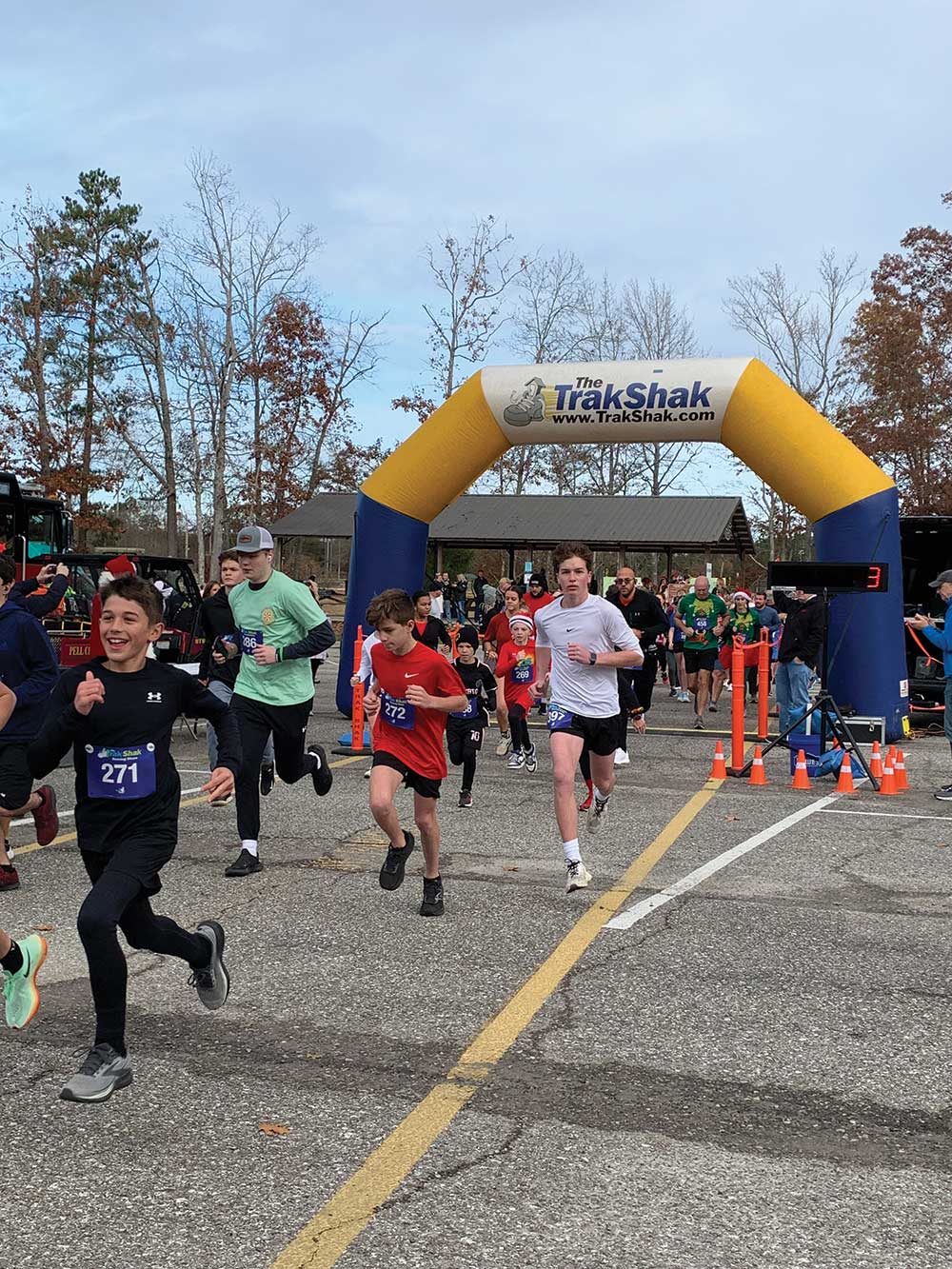
When racers line up Dec. 12 for the fourth edition of the Pell City Rotary Jingle Bell 5K, 10K and 1-Mile Fun Run, they will be running to make a difference in the community with every single step.
It is the latest effort by Pell City Rotary Club to put its motto – Service Above Self – into action, joining a series of major events by Rotary each year that puts tens of thousands of dollars into nonprofit causes making an impact across the community.
It began as the spark of an idea by Serge Brazzolotto during his term as president to create an event that would bring community together and raise major funding for worthy organizations. Chaired by Bill Ellison in its early years, he and Brazzolotto have provided a strong foundation on which to build.
This year, runners will be raising funds for a working, handicapped-accessible garden for veterans
The Jingle Bell Run ignited a movement that gains more momentum with each year. In just its three-year history, it already has provided over $160,000 to organizations, such as the St. Clair Sheriff’s Boys Ranch to build new housing and provide other renovations and support across its campus.
Funds have gone to The Children’s Place St. Clair Child Advocacy Center, providing a coordinated, child-focused response to victims of abuse; Ann’s New Life Center to assist women in crisis, distressful or unplanned pregnancies; Arc of St. Clair for facility renovations to better serve people with intellectual and developmental disabilities; and WellHouse to provide greater opportunities to serve trafficking victims from all over the country here at home.
This year, the Jingle Bell Run turns its attention to veterans at Robert L. Howard State Veterans Home in Pell City. Proceeds will go to help build a fully handicapped-accessible garden for the nation’s heroes right here at home.
By creating raised planter beds, an herb garden and beautiful flower garden with water features, it will offer veterans of all mobility levels “a place to grow, gather and thrive,” said Hiliary Hardwick, director of the veterans home and a Rotarian.
An underutilized outdoor space has the potential to become a special place for veterans and their families. It will feature built-in, raised planter beds designed for wheelchair accessibility, allowing residents to comfortably plant, cultivate and harvest without unnecessary physical strain.
A vibrant herb garden filled with fragrant favorites can be enjoyed in the home’s dining program or during special cooking activities. The colorful flower garden with soothing water features creates a peaceful retreat for veterans and their families, and blooms will attract butterflies and pollinators.
Gardening can be therapeutic for the veterans in a variety of ways with physical and mental health benefits, social engagement and a sense of purpose. The vision also includes being part of the local Farmer’s Market to share their harvest with the community.
“This garden will become a place where every resident can participate, a space where independence is restored, friendships flourish and memories grow,” Hardwick said.
Jingle Bell Run Chair Whitney Bateman agreed. “This is an incredible project we are so proud to help bring to fruition. It’s an honor for us to be able to give back to our veterans who sacrificed so much for us.”
Bateman noted that the event has grown with each year, and this year, there’s even more excitement surrounding it because of its focus on veterans. “Our sponsors are coming forward in greater numbers to get involved, and our racers are lining up to register to be a part of it. We have a lot of fun activities planned, so watch our Facebook page for more details.”
“All of our events have a single purpose in mind – to serve our community,” said President Casey Cambron. “From the Father-Daughter Dance to the Ray Cox Memorial Golf Tournament to the Annual Tennis and Pickleball Tournament, we focus on making an impact through our service throughout the community.”
Because sponsorships mean so much to the success of every event, Rotary is able to give grants totaling thousands of dollars to worthwhile organizations all across the community every year.
As Joe Paul Abbott, longtime Rotarian and chair of the Golf Tournament, says: “Because you give, we can give.” And that’s a lasting legacy indeed.
When St. Vincent’s St. Clair Hospital opened in a new facility overlooking Interstate 20 in 2011, the community welcomed it with a celebration worthy of a hero’s return.
It had outgrown the aging St. Clair Regional Hospital building it occupied since 1970, and it just couldn’t keep pace with one of the fastest growing counties in the state. But 15 years ago, that all changed with a new state-of-the-art hospital built to serve the county’s burgeoning population.
The population continues to soar, and needs have grown along with it.
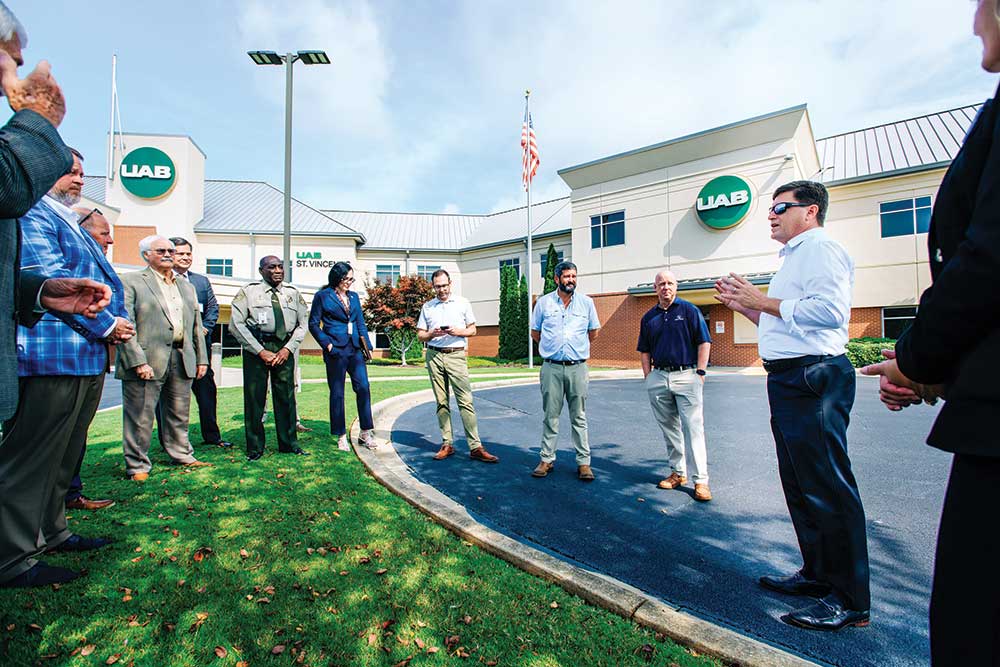
Nichols talks of importance of investment by Goodgame, Metro Bank, county and city
That’s why when UAB Health System, Alabama’s largest employer with a worldwide reputation in medicine, bought Ascension St. Vincent’s Health System two years ago, officials in St. Clair welcomed the move with equal fervor. After all, it was a sizable step in keeping up with the momentum today’s fourth fastest growing county in the state.
It should come as no surprise that the local community has embraced the hospital, recognizing its integral role in quality healthcare here at home and is investing in its future.
Made possible through the Rural Hospital Investment Program, investments in new equipment have come from Metro Bank, $500,000; Goodgame Company, $250,000; and a 10% match from City of Pell City and St. Clair County. The program was created to help eligible rural hospitals across Alabama receive additional funding by providing a tax credit for qualifying donations made by Alabama taxpayers.
It helps eligible rural hospitals secure additional funding through tax-credit-qualified donations made by Alabama taxpayers and enables local investments in equipment, technology, and other critical healthcare needs that improve access to care for rural communities.
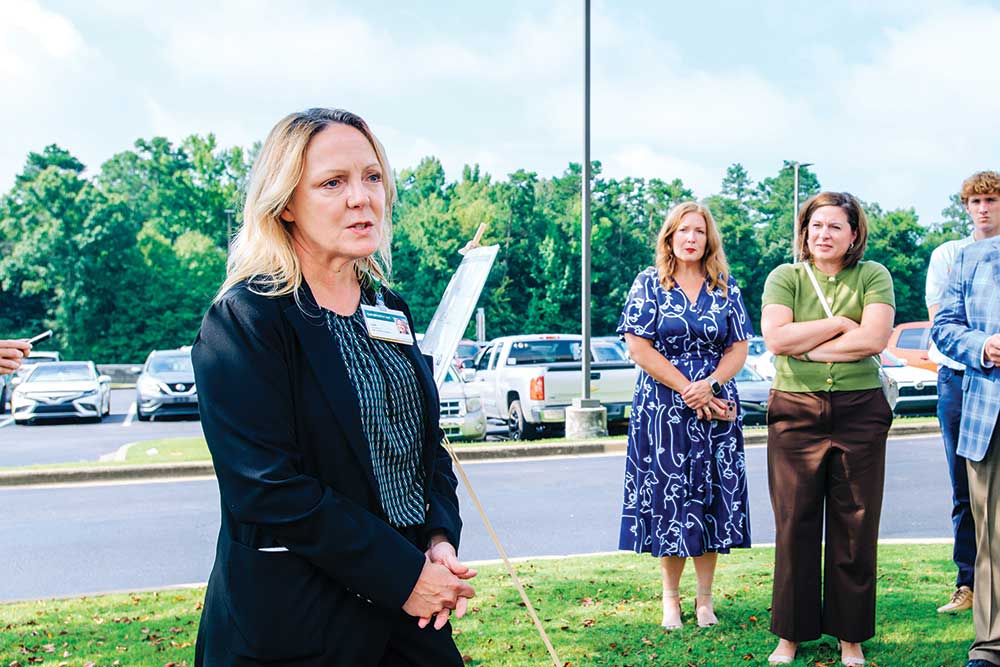
“We are incredibly grateful to our community partners for their vital support in helping us enhance the medical care we provide to our patients in St. Clair County and beyond,” Hospital Administrator Lisa Nichols said at a presentation recognizing the investment. “Their generosity allows us to invest in resources that strengthen access to care in the communities we serve.”
This funding will be used to purchase medical equipment for both providers and patients to help enhance the level of care they provide.
“We could not do what we do without the support of our community,” said Shiloh Swiney, chief nursing officer at UAB St. Vincent’s St. Clair. “Investments like this reflect our community’s commitment to ensuring local residents can access the care they need close to home.”
Smith describes impact this program has on hospital’s ability to make improvements in healthcare
“Quality health care is a critical part of a strong and growing community,” added State Sen. Lance Bell. “This local engagement is exactly the outcome we had envisioned when this program was recently created by the State Legislature. It allows state tax dollars to be redirected by local taxpayers to support local rural hospitals. UAB St. Vincent’s St. Clair hospital is an incredible asset in our community.”
St. Clair County Economic Development Council Executive Director Don Smith agreed. “This investment in UAB St. Vincent’s St. Clair by Metro Bank and Goodgame Company strengthens an asset that serves our residents, supports our workforce, and makes St. Clair County a better place to live and do business,” he said.
“We thank Senator Bell and the state legislators for creating a program where our local businesses, the City of Pell City and St. Clair County can work together to invest in the future of our community.”
At a special presentation where community leaders and healthcare partners gathered to celebrate the investments, Hospital Administrator Lisa Nichols said the funds generated will enable the purchase of 38 new hospital beds with cutting edge safety features and an ABG machine to treat patients with respiratory issues.
County Commission Chairman Stan Batemon called the presentation “an exciting day for our hospital and the health care of our citizens.” He noted that when UAB purchased the St. Vincent’s Health System, the St. Clair hospital was “one of the most desirable in that purchase.”
He, too, lauded the state’s formulation of a plan that encourages local investment, which bodes well for the future. “I see only good things for healthcare in St. Clair County.”
“The hospital is a vital part of our community, and Metro Bank recognizes just how much it means to the residents of Pell City and St. Clair County,” said Metro President Jason Dorough. “Our Board felt that participating in the Rural Hospital Investment Tax Credit program was an excellent way to give back to the community that has been so supportive of us.
“Rather than spending heavily on advertising, Metro Bank has always preferred to invest in projects that benefit our community. We also believe that strong healthcare services are critical to attracting new businesses and creating employment opportunities in Pell City.”
Jason Goodgame, president of Goodgame Company, talked of his strong ties to the hospital.
“Our connection to UAB St. Vincent’s St. Clair goes back to the construction of the hospital itself, when Goodgame Company had the privilege of serving as construction manager for the St. Clair County Health Care Authority during the development of this facility,” Goodgame said.
“Because of that history, this investment is especially meaningful to us as a company and as a family. We have been proud to play a role in helping bring quality healthcare to St. Clair County, and we are honored to continue supporting the hospital’s mission through the Rural Hospital Investment Program.”
The partnership “demonstrates what can be accomplished when organizations work together to invest in the future of our community,” Goodgame said. “Together, we are helping ensure local residents continue to have access to quality healthcare close to home.”
I’ve been thinking about this a lot lately… How different life might have been if I’d made different choices.
If I’d applied myself better in school… If I’d chosen a different career…
If I’d married a different person… If I’d moved farther away…
If I’d followed my heart more… If I’d followed my heart less… If I’d said no… If I’d said yes…
But just how long could I have traveled that different road before somehow circling back around to find myself where I am? I don’t really know how free will and God’s sovereignty work together—how both can coexist. But I believe they do. I’ve lived long enough now to look back and see how some of my choices caused detours. They have taken me down weird roads or changed my direction, only to somehow wind back to become part of the road I’m on today. So maybe, for those of us who have given our lives to Him, a wrong road doesn’t mean a different ending. Because no road can take us beyond His grasp & His ability to redeem our path for His divine purpose.
Maybe the roads we didn’t take wouldn’t have changed the ending at all. Maybe they only would have changed the way we got to where we are. Maybe alternate endings are just an illusion.
Maybe…
– Mackenzie Free –
Wife, mother, photographer & current resident of the unassumingly magical town of Steele, Alabama
A Life Well Done: September 9, 1955 – August 21, 2026
Story by Carol Pappas, editor & publisher
Wallace Bromberg, Jr.
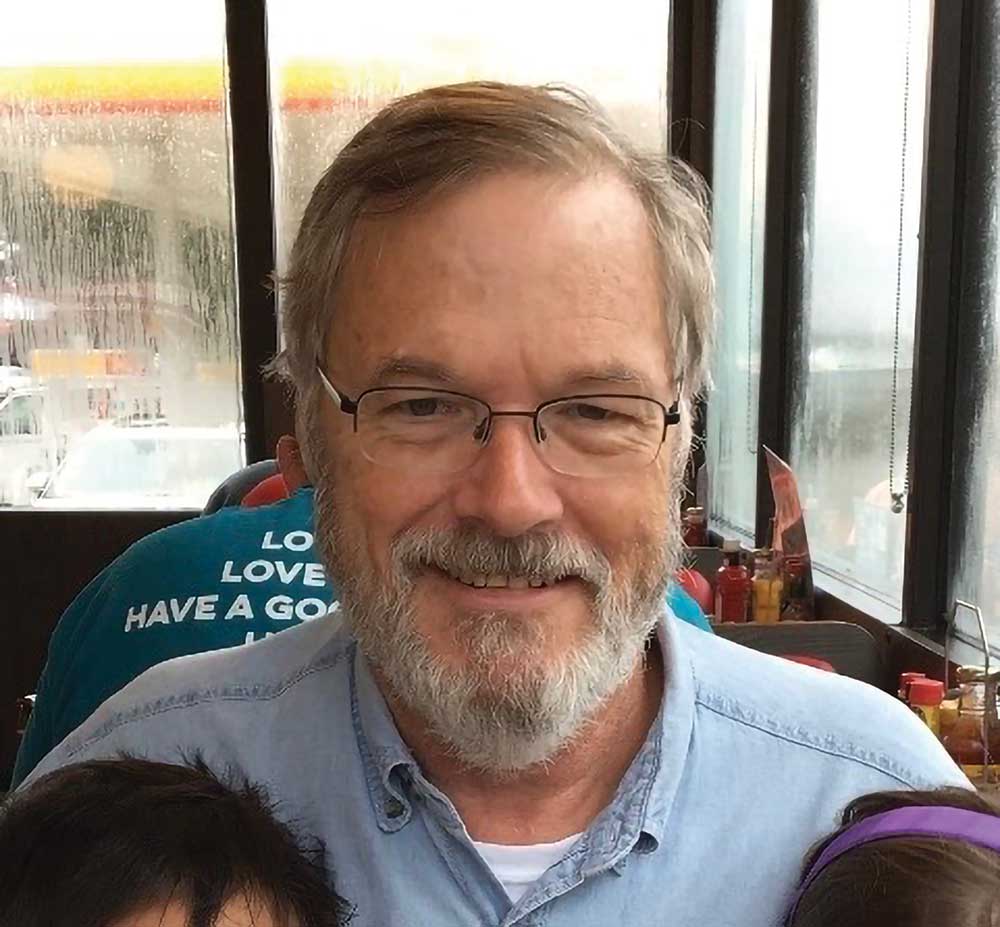
Today marks a bittersweet moment for our team at Discover, The Essence of St. Clair. We mourn the loss of longtime photographer Wally Bromberg, and we celebrate his talent that graced our pages through photographs for many years.
In fact, his photo credit sits atop yet another story in this edition, sadly his final one for us.
I met Wally years ago when we both wound up in Pell City. It’s surprising we hadn’t met before. We’re the same age, grew up in Birmingham and attended Auburn University at the same time.
But our creative paths did later cross, and I am incredibly thankful that Wally has been part of our success story over the years. His photo credit reflects not only the name of who took the pictures, it is synonymous with a keen ability to capture the moment for our readers.
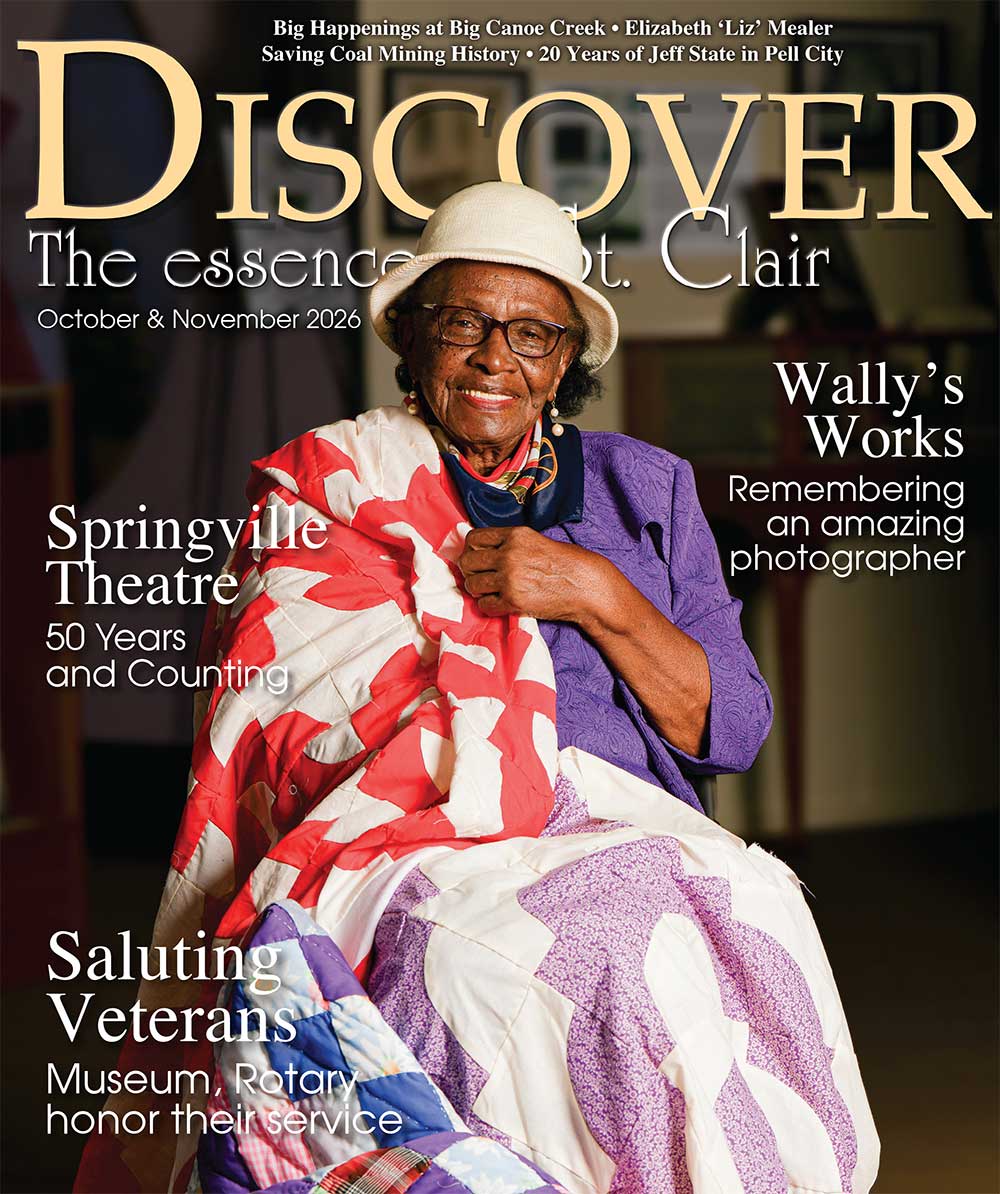
Gifted quilter Willie Mae “Snookie” Turner Beavers, 99, draped in her handiwork. This image, perfectly capturing the moment, was from a collection of photos taken by the late Wally Bromberg for a 2025 story. It is the cover from the October-November 2026 edition of Discover
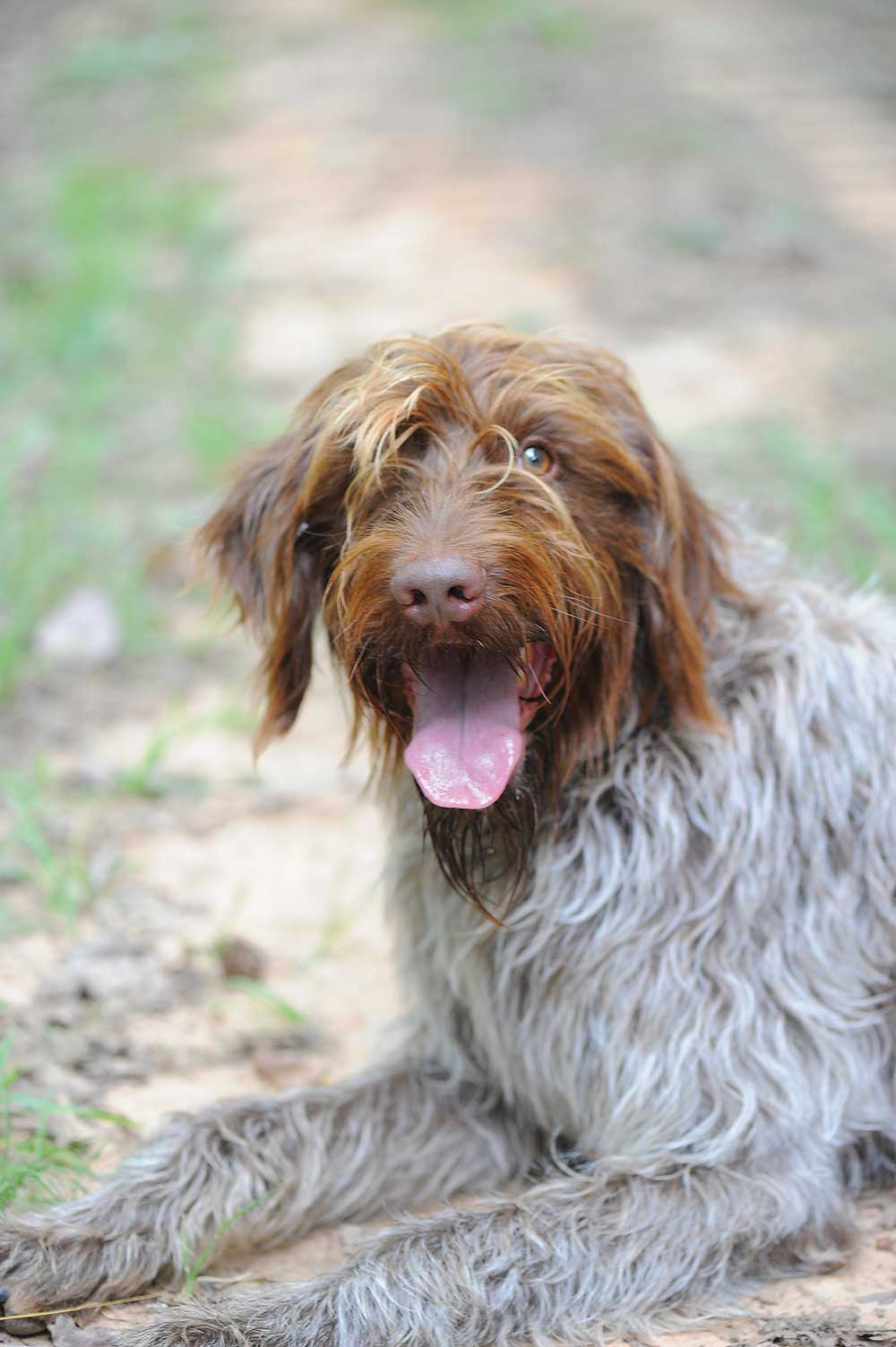
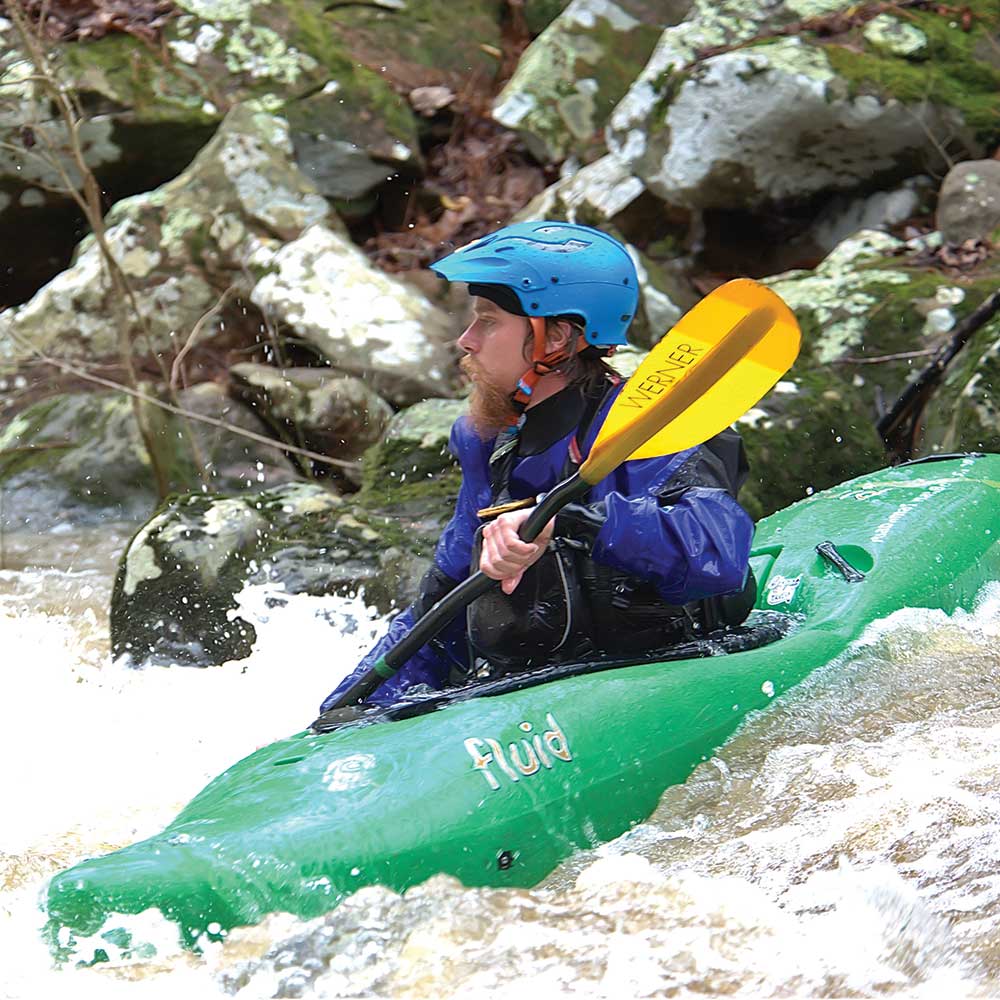
More than a few times, his work became our most popular covers. Teddy, the Wonder Dog, a Wirehaired Pointing Griffon training to be a pet therapy dog, quickly comes to mind. So do the Kelly Creek kayakers riding the rapids near Winnataska.
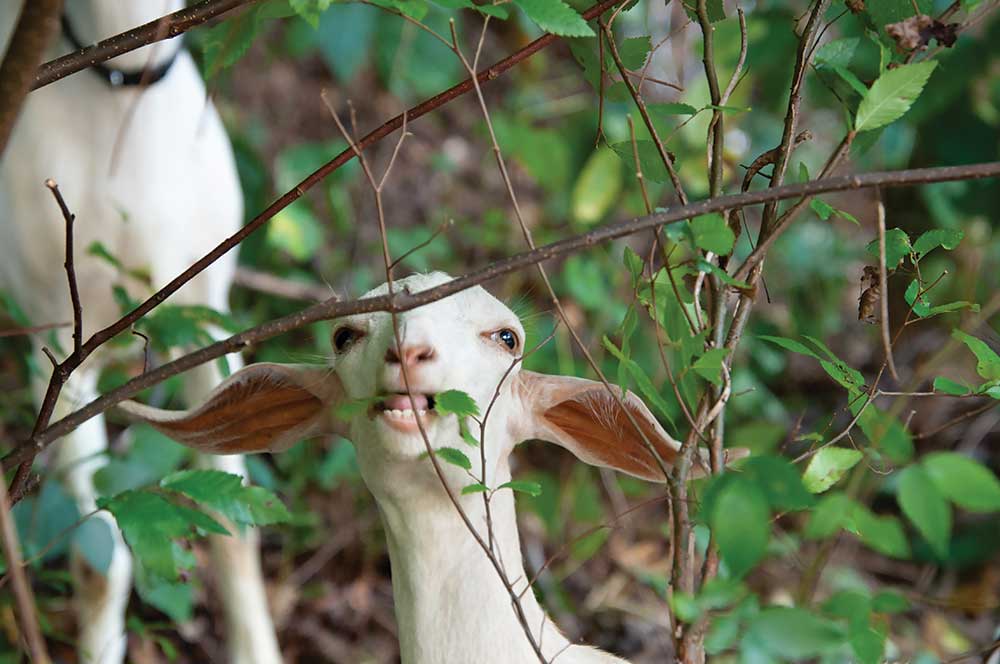
His photos of goats chowing down on overgrowth blanketing a hillside near Ashville that needed clearing offered us a glimpse into an unusual veteran-owned business called Rent a Ruminant. And especially on hot, summer days, I often flashback to his cover shot of a little girl quickly enjoying an ice cream cone before it melted into a memory.
Wally was intellectually curious. While most photographers silently go about their business, not Wally. Sometimes, I had to interrupt him to get my own questions in. But that was Wally, he just wanted to know. And afterward, it was not unusual for him to pontificate on what he had learned. That, too, was Wally.
What impressed me the most, though, is his sense of community. He wanted to give back. His faith led him to serve others through Rotary and other avenues.
He and wife, Nettie, opened The Gallery of Eden for hers and others’ artwork, his photography and her art classes. It became a gathering place on Tuesday nights when he hosted a ‘community pickin’ for musicians, friends and neighbors sharing music and fellowship. That was Wally, too.
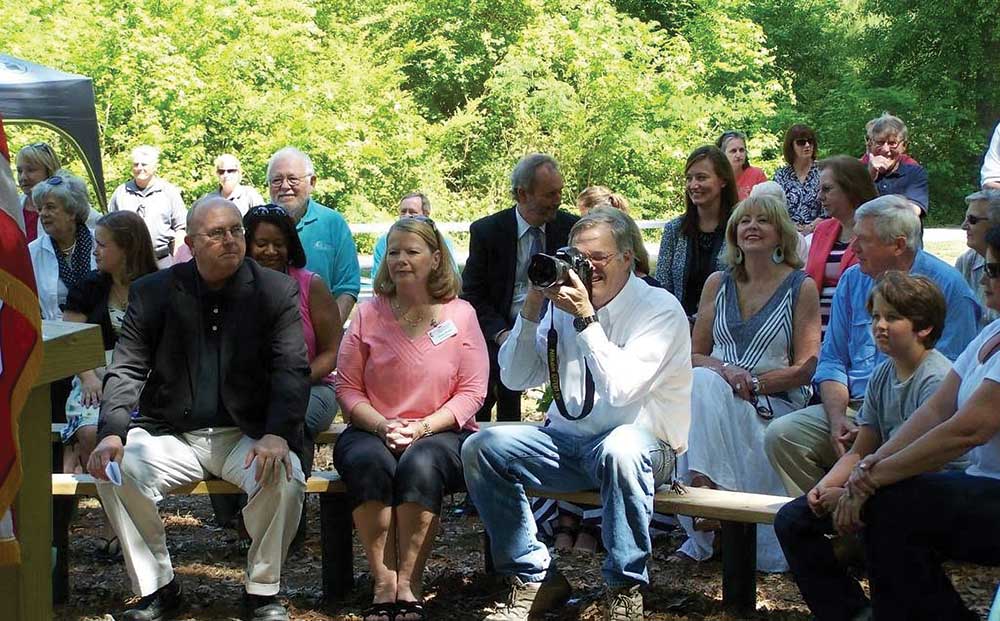
Wally on assignment
At the time of his death, he was putting the finishing touches on a new, larger gathering place, an art and music center called Beebo’s Place and Wolf Creek Coffee. He envisioned it as a gathering spot for artists and musicians to showcase and share their talents, and people could come together and enjoy each other’s company in fellowship.
And while there, of course, they could enjoy a good cup of coffee. Again, that was Wally – bringing community together.
It has been our honor for Wally to be a part of our team. His legacy lives on in our magazine and in the lives of so many he touched. That, indeed, was Wally, and he will be missed for a long, long time to come.
Editor’s Note: Want to check out more of Wally’s work for Discover Magazine? Put his last name, Bromberg, into the search panel on the home page and it will return all of the stories he has done for us.
What began as an outlet for creativity and therapy has grown into a thriving cottage business for Pell City’s Sydney Warren. Each Saturday morning, customers can stop by the Little Bear Bakery porch stand for fresh sourdough breads, cookies, muffins, cinnamon rolls and other baked goods, or place orders in advance for pickup. Warren also brings her sourdough treats to occasional popup markets.
Warren named the micro bakery Little Bear Bakery in honor of her firstborn, Thomas, now 3, whom she often called her “little bear.” She says he’s the inspiration for her leap of faith in starting her business. Her pregnancy with him was defined by a rare medical condition called hyperemesis gravidarum or HG, which causes severe and debilitating nausea for the entire duration of the pregnancy.
Well-stocked store
Her condition was so severe that, even as much as she loved her work, she had to leave her job. Essentially bedridden, she required intravenous fluids multiple times a week. “I couldn’t do anything (during the pregnancy) without being sick.
“I used to be super consumed with my job as a baker in Birmingham,” says Warren. “I worked for a small bakery. I started out doing their marketing, but with a small business, you kind of wear all the hats and help where needed. That’s where I really dove into the baking part. It was a cinnamon roll-based bakery that began as a micro bakery.”
The plan had always been for her to go back to work after Thomas was born, but the health challenges she had just endured caused her to rethink that plan. “When I got pulled out of my work situation so unexpectedly because of being so sick, it kind of made me reevaluate what I wanted in life,” Warren remembers. “It was kind of God’s way of pulling me out of something when I probably wouldn’t have done it on my own. I just didn’t want to miss any of the firsts with my baby – the first words, first steps, all the first moments.”
Sydney and her husband, Austin, decided they would try to make it work without her income. To help her deal with postpartum anxiety and the loss of her career identity, she began baking again, this time at home.
“My sister helped me figure out how to do sourdough starter,” said Warren. “I could tend to the baby, and then whenever I put him down for a nap, I could go and do my stretching folds or feed my starter. It really worked with the needs of his schedule.”
This new sourdough breadmaking began to grow until she had way too many loaves than her family could use. Warren decided to try posting on social media to see if anyone would be interested in some bread. “I was like, hey, I have extra loaves,” Warren recounts. “The next day I took four orders.” Those customers turned into repeat customers, and the business grew from there.
From her experience helping to build the micro bakery she worked for in Birmingham, Warren knew how to get licensed. “I helped her to grow that business large enough to get a storefront,” explains Warren. “So, I had that knowledge about needing a cottage license and how you have to follow these specific rules and everything like that.”
Family taste test
The new family of three were living in Moody at the time, but wanted to return to Pell City, where both she and Austin grew up. By the time Jack, their second “little bear” arrived, they had moved back to be near family. “I didn’t really have to start over, but Pell City was a new market for me,” Warren admits. “It was a little overwhelming. It got so wild with people wanting stuff every day.
“If you’ve ever worked with sourdough, you know it’s a process that takes time,” explains Warren. “The process takes about three days by the time you feed the starter, allow it to rise, mix the dough, stretch it, fold it intermittently, allow it to rise again, shape it, ferment in the fridge, then finally score and bake it.”
To meet the growing demand for her baked goods, Warren started making extras over and above the pre-orders. Those extras consistently sold out too. “I started thinking about ways people wouldn’t have to contact me to see if I had something available. I said maybe I could do a bakery stand that could be self-serve. Then they could just come to the stand and buy what was available.”
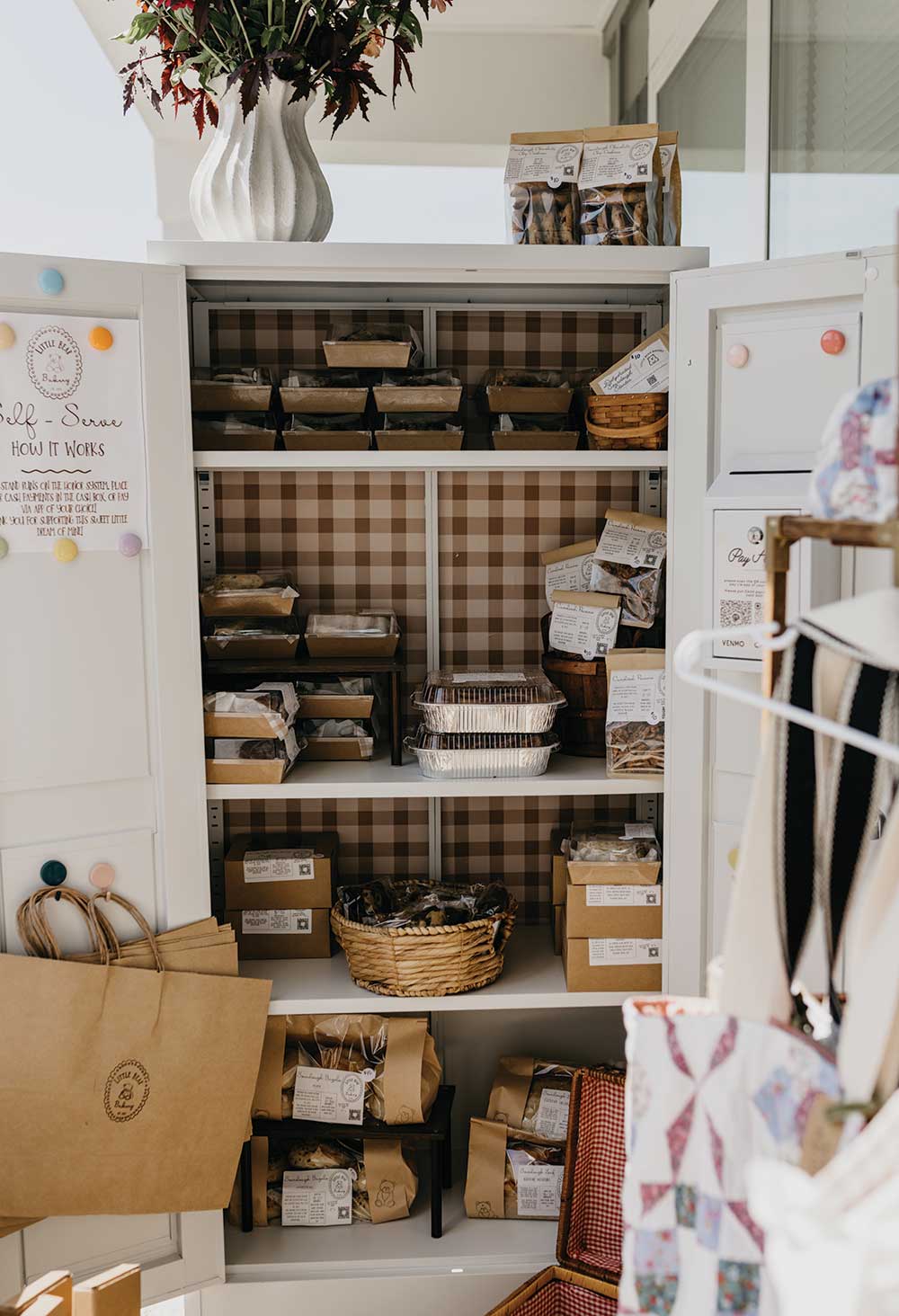
Thus, the Little Bear Bakery stand was born. Each Saturday morning beginning at 10, the self-serve bakery stand opens its doors on Warren’s porch in the Oak Village neighborhood not far off Interstate 20 in Pell City. The shelves are overflowing with beautifully packaged baked goods to satisfy the sweet tooth or savory appetite.
Warren says 99 percent of what she makes uses her sourdough starter. Her specialty sourdough loaves include cheddar jalapeno, butter croissant, garlic butter and herbs, and other flavors when she has time. She dresses those up for the holidays, making them in the shapes of pumpkins, turkeys and bunnies.
Sweets include the cinnamon rolls, muffins, scones, candied pecans, cookies and the extremely popular oatmeal cream pies. “I really, really love the oatmeal cream pies,” Warren gushes. “It’s two sourdough oatmeal cookies sandwiched with the yummy, fluffy, icing. Store-bought doesn’t even hold a candle to these.”
Unique handmade craft items are also available at the stand. Warren’s sister, Taylor Funderburg, sells her “Taylor Made” vintage and upcycled products like fabric bags, potholders, bowl cozies, oven mitts and even some vintage clothing at the stand. Payment for both the baked goods and craft items can be made through an honor box or by digital payment platforms using a scan code.
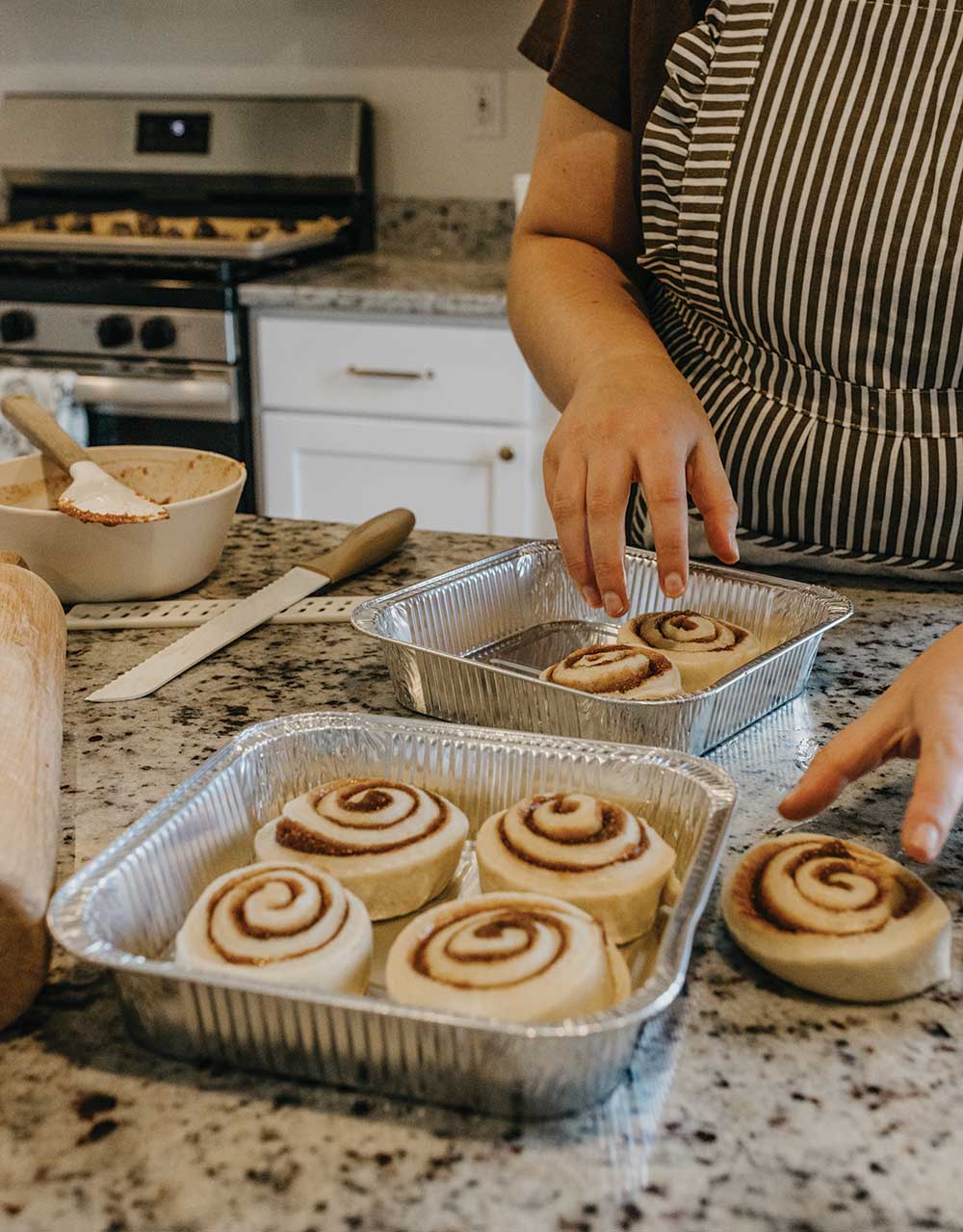
Cinnamon rolls ready to bake
Denise Pollard of Pell City is one of Little Bear Bakery’s repeat customers. “This is the third or fourth week I’ve pre-ordered the sourdough bread,” she says. “I’ve tried two other places, and hers is superior. It’s a little denser and cuts really nice. The flavor of her sourdough is much stronger and it’s really good.” She’s also a fan of the brookie and the oatmeal cream pies.
As her family schedule allows, Warren brings her products to Seed and Sun Bloom’s market days on May’s Bend Road and to other popup markets.
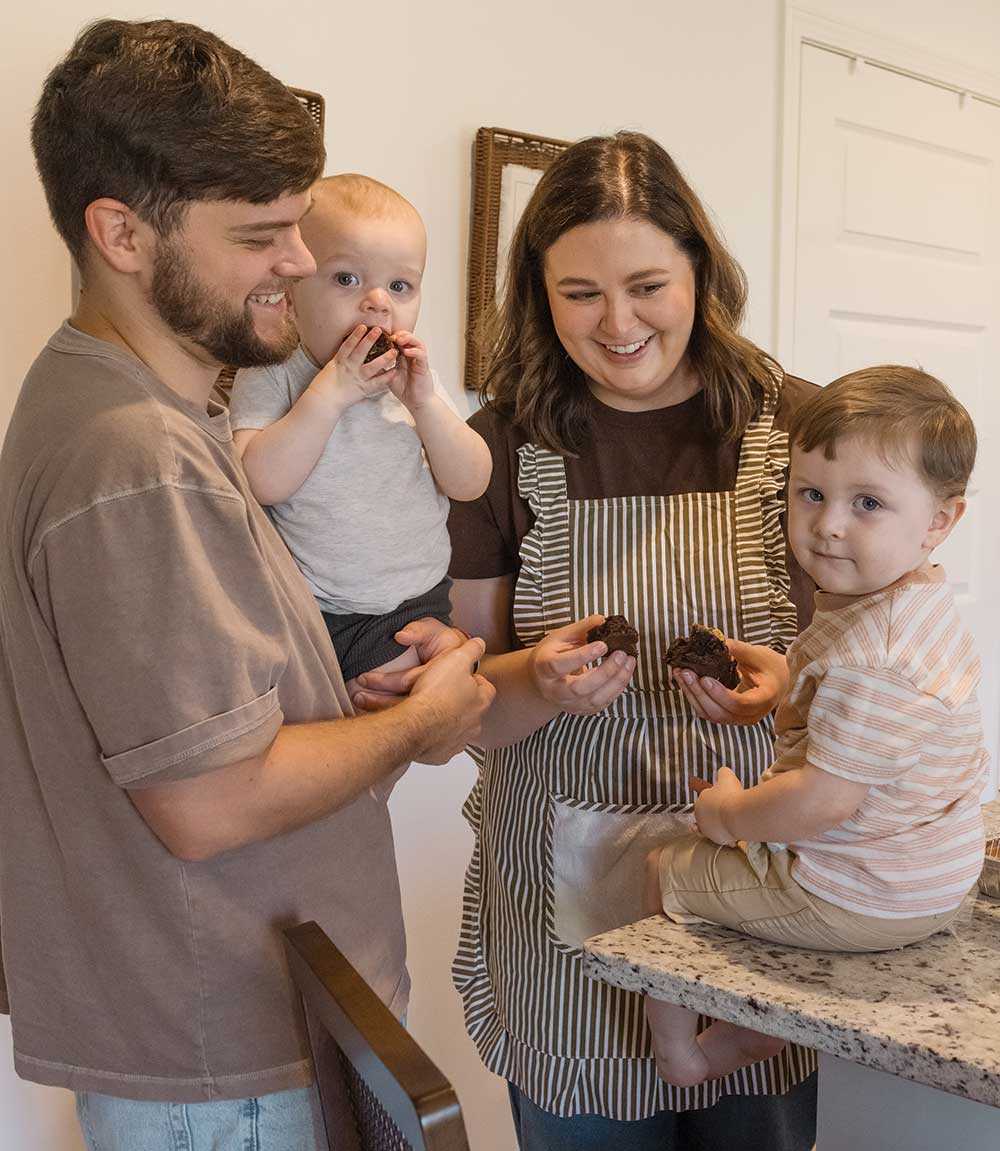
Her husband, who works as an intensive care nurse at Children’s Hospital, is her biggest cheerleader. When he’s not working, he steps up to support her by helping set up the markets, loading her car or helping with the boys. Her “little bears” are always ready to help out as taste testers.
Warren emphasizes that she is a mom first and a business owner second. She admits that sometimes it feels like it’s a fulltime job, with 12 hours of work on bake day alone. “I work 30 to 40 hours a week, but I work around nap times,” she explains. “Each day I have a set of things I can do to prep, which makes bake day easier.”
There are three critical components to Warren’s sourdough success. Accurate timing at various stages of the process is paramount, a fact that she learned the hard way. She says it is also important to add ingredients by weight, rather than by volume. That, she says, guarantees a more accurate and consistent product. The last essential element in the process is steam. As soon as she puts her loaves in the oven to bake, she adds a cast iron skillet below them and adds water several times during the baking time.
There have been failures, Warren admits. But often failures bring adjustments and improvements. Sometimes they even bring new products, like one of her very first porch sales when she made 18 sourdough loaves and didn’t proof them long enough. “They tasted good but didn’t rise well,” recounts the baker. “They didn’t look good, so I cut them up and turned them into sourdough croutons.” The incident made her add to her offerings because while she didn’t have time to make more sourdough loaves for the sale, she had time to make cookies and muffins, which were a huge hit.
As a licensed cottage bakery, Warren follows an extensive set of rules and regulations established by the State of Alabama, which includes what types of foods she can sell. That list excludes anything that requires refrigeration. The Cottage Food Law also requires each item to be labeled with the business name, address, name of the food, allergens, and a list of ingredients. Warren uses a thermal printer to make the labels that she specifically designs for each of her products.
One of the benefits of being a cottage business is a better work/life balance. “The whole point is to be here for my family and to connect with community,” said Warren. “It’s been my prayer that it will grow authentically. I may think I know what I want, but the Lord’s plans are so much greater and more fulfilling than anything I think I need.”
Editor’s Note:For more information check, the bakery out on Facebook or Instagram. Connect with Little Bear Bakery online at littlebearbakery.square.site and place your order to ensure you get exactly what you want or just visit them at the stand Saturday mornings. The Little Bear Bakery stand will be dressed for fall and offering new items like pumpkin bread and apple cinnamon muffins in addition to the usual sourdough goods.
For Tara Martin, Big Canoe Creek Nature Preserve has become a place to get stronger, slow down and find herself again
Story by Molly Gilbert Photos by Mackenzie Free Submitted Photos
The trails at Big Canoe Creek Nature Preserve are more than a place for Tara Martin to exercise.
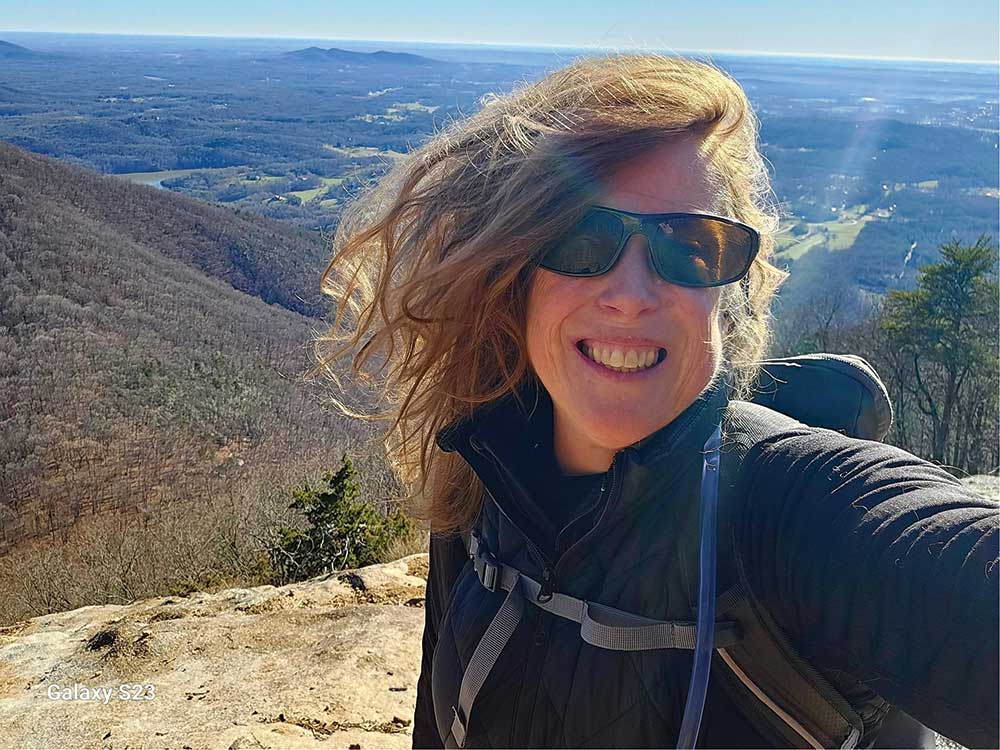
Just a half-mile from her home in Springville, the Preserve has become her personal playground, training ground and place to breathe. She walks, hikes and climbs its rugged trails as often as she can, sometimes covering 15 or 20 miles in a day.
And when she leaves, she doesn’t feel worn out.
“I come back feeling energized and recharged,” she says. “I feel awesome.”
For Tara, the explanation is simple. There is something about being outside – surrounded by trees, streams, birds, wind and uneven ground – that restores her.
“The Preserve cleanses me,” she says. “It gets my body in shape. It stops the chaotic brain.”
Over the past two years, the Preserve has helped Tara become stronger physically and emotionally. It has been the place where she built her endurance, discovered a love of climbing and prepared for some of the biggest adventures of her life.
But perhaps most importantly, it has become a place where she can simply be.
“I feel very connected to nature,” she says. “There aren’t that many places where I feel that way, but I always do at the Preserve.”
Finding her way back
Two years ago, Tara was living a very different life.
She was a wife and mother, and at work she was a lead support specialist overseeing about 100 caregivers. The job was demanding, stressful and essentially non-stop. For years, much of her energy went toward taking care of everyone else.
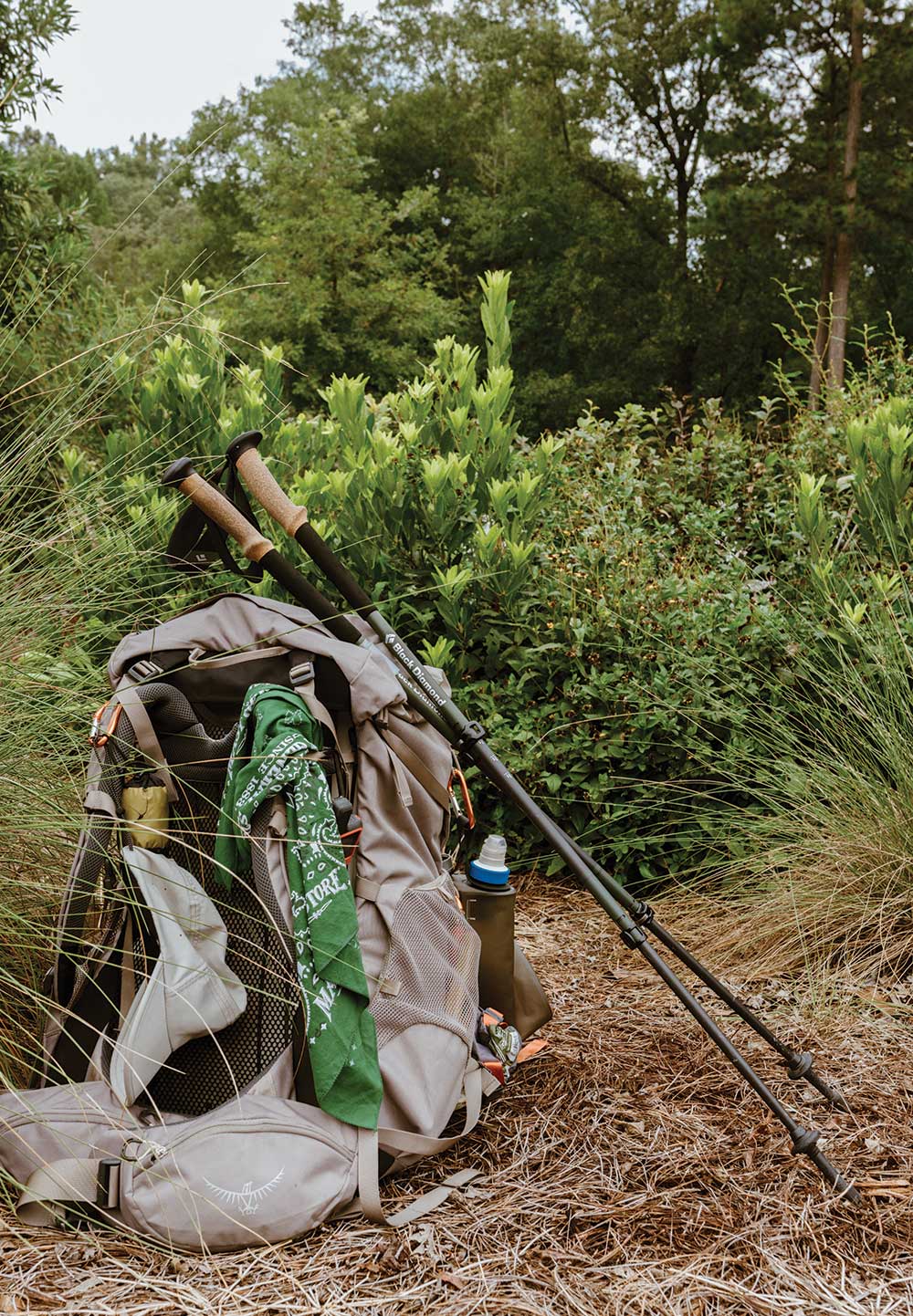
Tools of the training trade
“I never thought about my life and future – it was all about survival mode,” she says. “I went to work and was on call. I never thought about what I wanted. I just let myself go.”
Then came a vacation she had dreamed about since she was a child.
Tara and her husband, Mark, had planned a trip along the Pacific Coast, something she had looked forward to for years. But when the time came, she couldn’t enjoy it the way she had imagined.
It hurt to walk. Her body wasn’t prepared for the demands of the trip, and the experience forced her to confront something she could no longer ignore.
“I needed to get my life together,” she says. “I needed more movement.”
She began making some changes. She sought out therapy and started walking at a park in Springville. She could put in the miles, but she wasn’t getting stronger.
Then her son told her about Big Canoe Creek Nature Preserve.
It was close to home and offered something the park didn’t: elevation, hills and rugged, changing terrain. The Preserve’s trails climb and descend through the woods, with uneven footing, streams, creeks and fallen trees that make every walk a little different.
“I started going out there every day, even if it was only a mile or mile-and-a-half,” Tara says.
Soon, the miles added up.
“I walked up hills and noticed my leg muscles had gotten so much stronger,” she says. “I realized how much I loved climbing.”
Tara began wondering what she might be capable of beyond the Preserve.
Testing her strength
Tara was ready to put her new conditioning to the test. She traveled to Zion National Park in Utah, where she took on Angels Landing.
For Tara, completing the hike was about more than reaching the top. Not long before, she had struggled simply to walk during a vacation she had dreamed about for years. Now she was tackling a demanding climb in one of the country’s most spectacular landscapes.
She loved the challenge. The physical effort, the adrenaline and the satisfaction of accomplishing something difficult appealed to a part of Tara she was only beginning to discover.
“I developed confidence,” she says.
A month after returning from Zion, Tara reached another turning point.
She quit her job.
Sunrise summit at Yona
After years of a demanding position, she had reached a point where the work was no longer sustainable. She wanted a life with room for more than work – a life that allowed space for her family, her health and herself.
She drove to Colorado, car camped and climbed the Manitou Incline, completing all 2,768 steps.
Tara took three months off before finding a new job. Instead of simply slowing down, she used the time to explore what she could do.
Choosing a life of adventure
She went backpacking at Cheaha State Park and Sipsey Wilderness.
In a five-month period, she climbed Yonah Mountain three times, Slaughter Mountain and Brasstown Bald, and tackled Calloway Peak twice.
“I’m always after the next bigger mountain,” she says.
Each climb gave her another reason to believe in herself. She was seeking out steeper trails, longer distances and more difficult terrain.
“When you weren’t able to do this before – low self-esteem and no confidence – and then you accomplish it, it’s such a point of pride,” she says. “When you thought you could do nothing and realize you can do everything, that’s life-changing.”
The change showed in more than what she could accomplish on a trail.
“I walk differently now,” she says. “I stand up straight. I move with confidence. I feel amazing as a human being.”
A life with room to breathe
Now, Tara’s job has a more flexible schedule and gives her something her previous career had not: time.
She could work and take care of her family without putting herself last. Exercise and time outdoors could become part of her regular life rather than something she squeezed in when everything else was finished.
And she kept returning to Big Canoe Creek Nature Preserve.
Over the past two years, Tara has steadily lost weight, built muscle and developed the endurance she once thought was beyond her reach. What started as short walks became longer hikes. Miles became double-digit miles.
“I can walk 20 miles now and it’s nothing,” she says.
She credits the Preserve with giving her the terrain and consistency she needed to build that strength.
But the physical benefits are only part of why she keeps coming back.
Where she finds peace
For Tara, the Preserve is also a place of solitude and reflection.
There is a spot she affectionately calls “Tara’s Rock.” She sits there to pray, meditate or simply eat her lunch.
“I wanted to be able to have privacy and peace,” she says.
She describes the experience of being in the woods in almost physical terms: listening to the wind and birds, smelling the rain, feeling dirt beneath her fingers.
“Our bodies are composed of water; we are nature,” she says. “There’s nothing like being outside.”
Those sensory experiences help her feel connected – not just to the landscape, but to herself.
“It’s so cathartic,” she says.
A 15-mile day on the trail doesn’t necessarily leave her depleted. Instead, she often returns home feeling recharged.
“When I go out of state, it’s for the challenge,” she says.
The big mountains give her that challenge. The Preserve gives her something else.
Connection.
“If you’re running up and down Yonah, that’s about endurance,” she says. “At the Preserve, I connect with the earth and nature.”
That distinction is important to Tara. The mountains have become places where she can test herself, but the Preserve has become part of her everyday life.
It is where she trains, but it is also where she returns to herself.
The adventure in herown backyard
Tara’s adventures have continued to grow.
Her greatest accomplishment so far was completing the Cascade Canyon and Paintbrush Canyon Loop in Grand Teton National Park. The achievement represents just how far she has come.
And there is already another goal on the horizon: Mount Rainier.
She’ll train for that challenge the same way she has trained for everything else – by putting in the miles and tackling the hills at Big Canoe Creek Nature Preserve.
But Tara doesn’t believe someone needs to be preparing for a major expedition to appreciate what the Preserve offers.
That’s one of the things she loves most about it.
It is raw rather than perfectly manicured. Rugged rather than predictable. There are five trails with different terrain and challenges, making it a place for hikers, runners and mountain bikers.
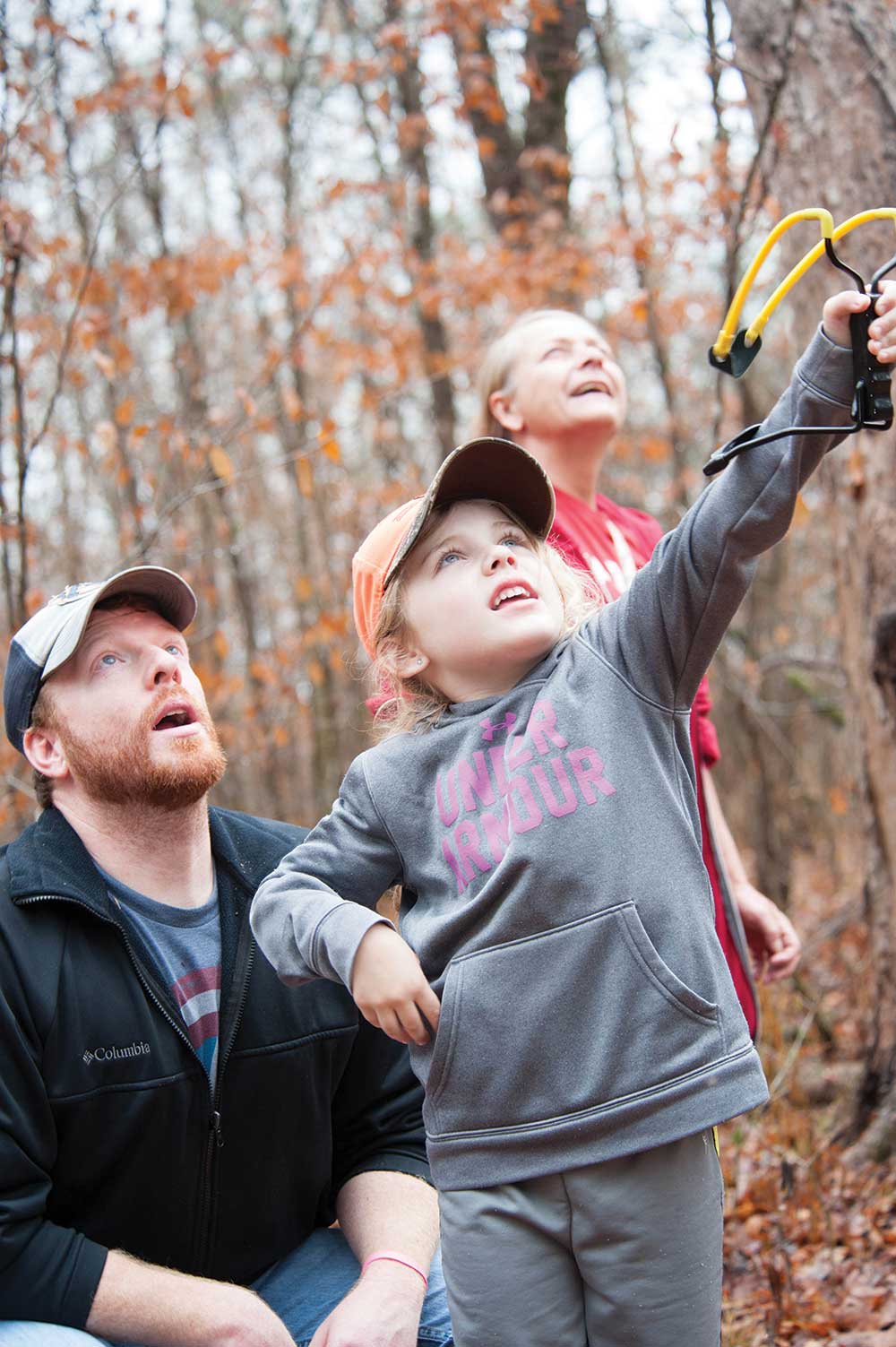
Kids can ride their bikes. Families can explore. Someone can spend hours covering miles or simply take a short walk through the woods.
“You feel like you’re in the middle of the wilderness,” Tara says. “You feel so in tune with nature. You’re in a different world.”
Having a place like this nearby is a tremendous asset.
Just start walking
Tara is proud of the mountains she has climbed. She is proud of the miles she can cover now. She is proud of the Tetons and the adventures that once seemed impossible.
But when she talks about how she got here, her advice is remarkably simple.
“It’s just one foot in front of the other,” she says. “Don’t focus on 10 miles. Focus on one step.”
That’s how her transformation began.
One step became another. A short walk became a longer one. A hill became a mountain. A difficult hike became evidence that she could do something she once thought she couldn’t.
The process was gradual, but the effect was profound.
For Tara, Big Canoe Creek Nature Preserve has been part of learning how to take care of herself.
“It has saved my life,” she says. “Not just physically, emotionally.”
Sometimes the next adventure begins with something as simple as taking a walk in the woods.