
St. Vincent’s St. Clair Opening

Stories by Carol Pappas
Photos by Jerry Martin

SPECIAL COVERAGE:

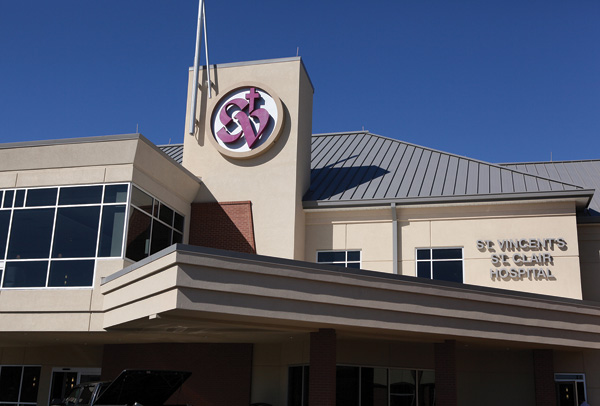
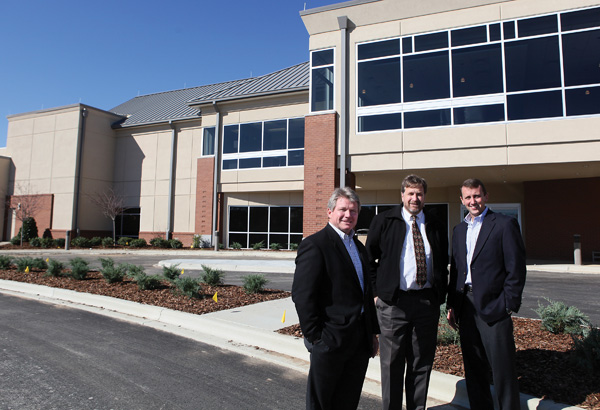
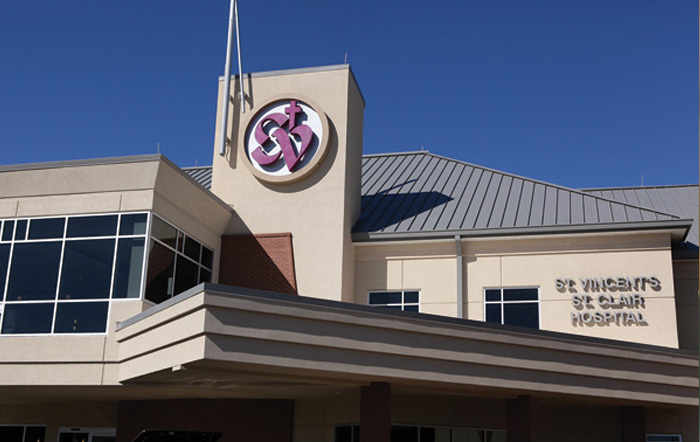
In just two days, on Dec. 10, the doors are expected to officially open on St. Clair County’s early Christmas gift — a state-of-the-art hospital that is expected to change the face of health care throughout the entire region.

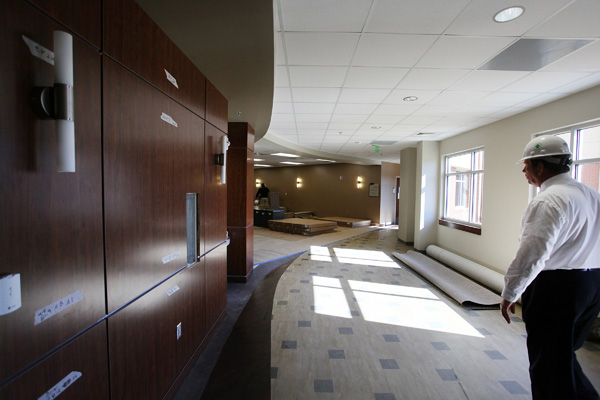
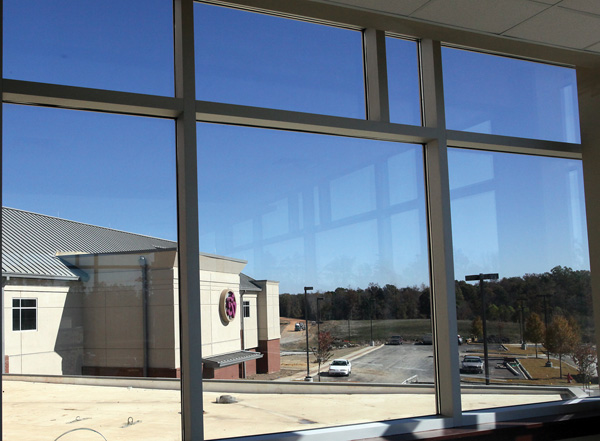
Finishing touches have been applied to the impressive building rising from the ridge overlooking Interstate 20 on Pell City’s north side over the past two years. And officials are preparing for a move from the county’s health care past to its promising future.

The final vestiges of the old St. Vincent’s St. Clair on Dr. John Haynes Drive will close at 6 a.m. Dec. 10, and the new St. Vincent’s St. Clair will be official and, more importantly, open for business.

It has been a dream 20 or more years in the making, but the region’s red-letter day has arrived, and the community has watched its health care future going up with great anticipation.

St. Vincent’s has long been a trusted name in medicine in the Birmingham area, and its reach into St. Clair County has been a perfect fit for both entities, officials say.

“This new hospital has truly been a collaborative effort between the St. Clair County Health Care Authority, St. Clair County Commission, City of Pell City, St. Clair County Economic Development Council and St. Vincent’s Health System.” said John D. O‘Neil, president and CEO of St. Vincent’s Health System.

“For many years, leaders in St. Clair County have worked toward building a new hospital. St. Vincent’s Health System and our parent organization, Ascension Health, also are committed to improving accessibility to quality health care in the communities that we serve. Together, we’ve made the vision of a new hospital a reality,” O’Neil said.
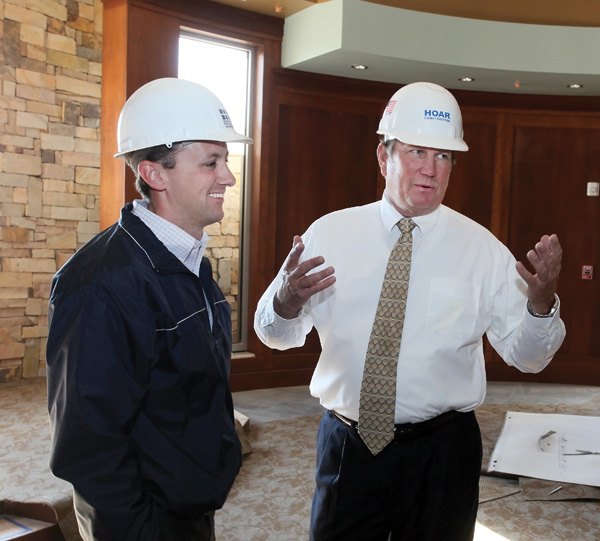
“The opening of the new state-of-the-art St. Vincent’s St. Clair will have a tremendous impact on Pell City and the surrounding communities for years to come. We anticipate that additional physician specialists will join the medical staff and new services will be added. We are going to continue growing right along with St. Clair County.”

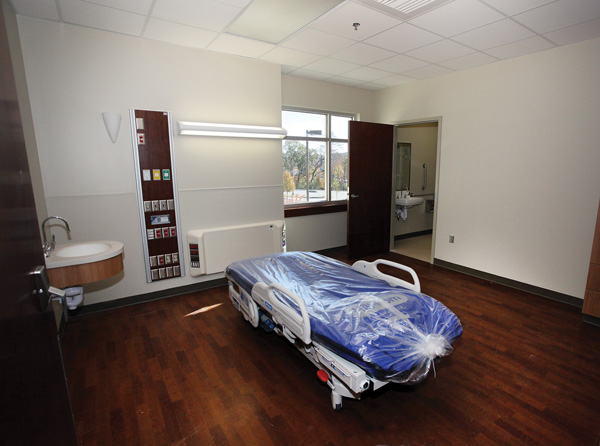
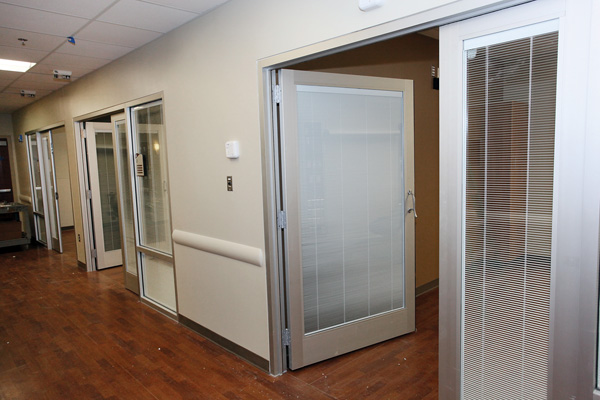
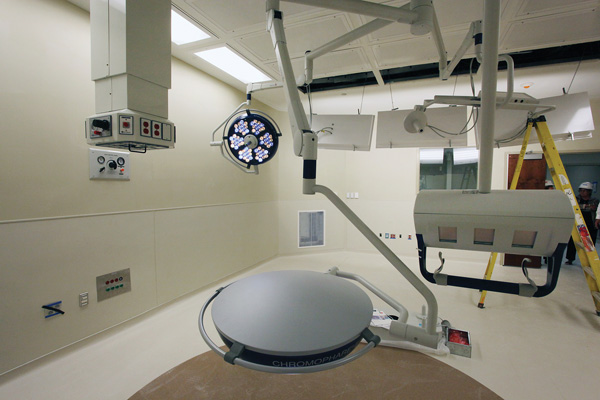
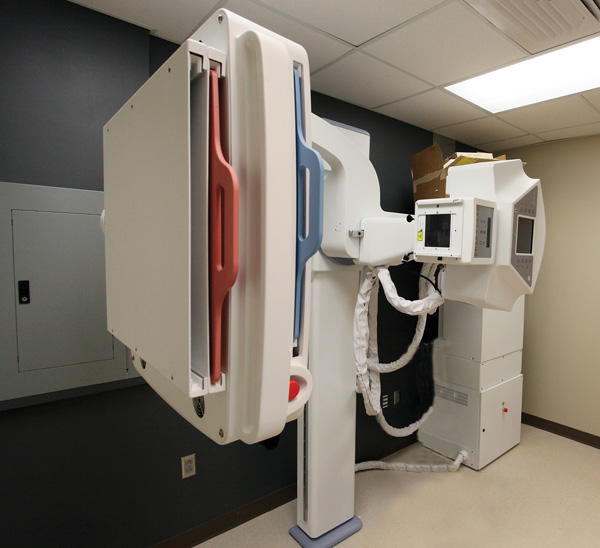
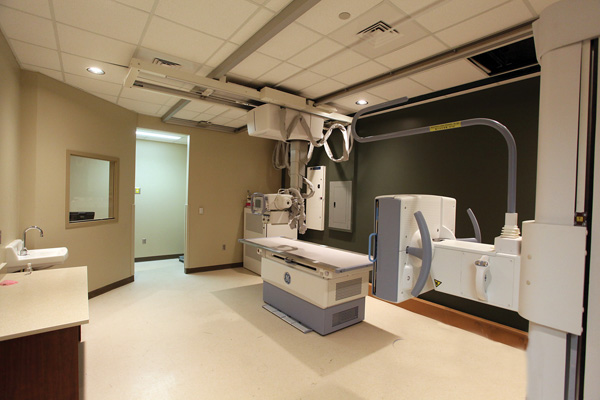
The 40-bed, 79,000-square-foot facility with an additional 40,000 square feet of adjoining professional office space features “the latest and greatest equipment,” according to St. Vincent’s St. Clair Chief Transition Officer Terrell Vick.

Three operating rooms, Gastrointestinal lab, pathology, pharmacy, larger intensive care unit, imaging, rehabilitation, digital mammography, bone density testing, nuclear medicine, dialysis and a 64-slice CT Scanner are but a handful of services and features of the new hospital. A patient can even have a test done in St. Clair and have it interpreted in real time in Birmingham if need be.

In addition to its regular patient rooms, the hospital has two additional ones with a family room adjoining for extended stay, which was made possible by a $1 million donor.

Six large patient rooms make up the Intensive Care Unit with surgery and recovery units adjacent to it.

Initially, the hospital’s offerings will focus on basic surgery. There are 10 same-day surgery suites, which are not included in the bed count of the hospital.

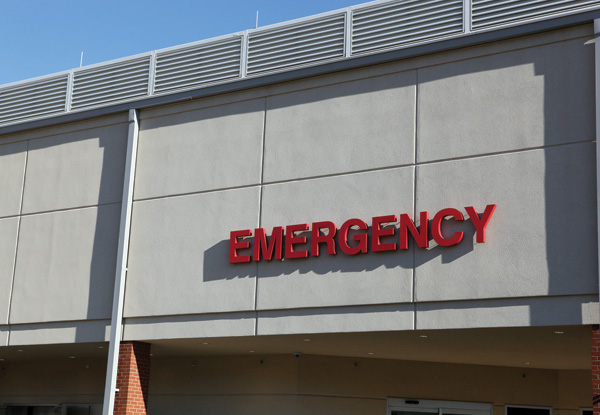
The Emergency Department boasts 12 rooms — 10 private exam rooms and two trauma rooms — a sizable step up from the eight cubicles in service in the old hospital. A separate entrance for ED and separate waiting areas for infectious and clean triage make the hospital more effective in dealing with emergencies and better serving patients.

A modern cafeteria with dining inside and a garden outside is serviced by Morrison’s and a Starbuck’s coffee shop are ready to meet food and drink needs of visitors, patients and staff. And the entire facility has wi-fi capabilities.

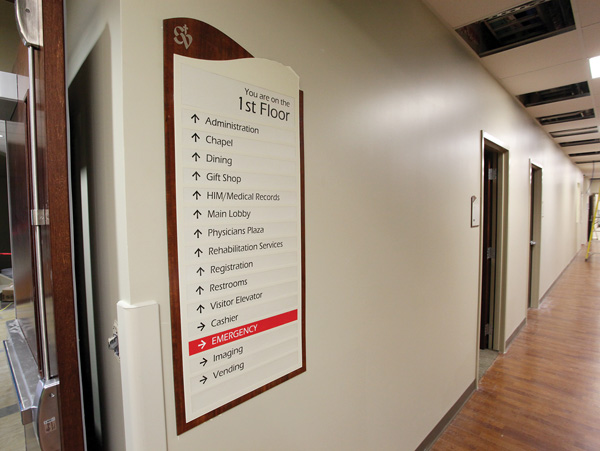
The design of the hospital puts patient and visitor convenience first. It is set up in service units with separate registration for one-day surgery, Emergency Department, Rehabilitation and Imaging. “It is easy for patients and visitors to navigate,” Vick said. It is possible for them to park and walk straight to the area they need.

In the adjacent professional office building, St. Vincent’s will lease 20,000 square feet of space for its medical groups, and there will be timeshare space provided for specialist services like cardiology, general surgery, pulmonology and orthopedics. Three cardiovascular groups along with two general-surgery groups already cover the area. “We hope eventually to have full-time services in those specialities,” Vick said.

The professional office building is expected to open in coming weeks, and a sleep disorder clinic should follow in March.

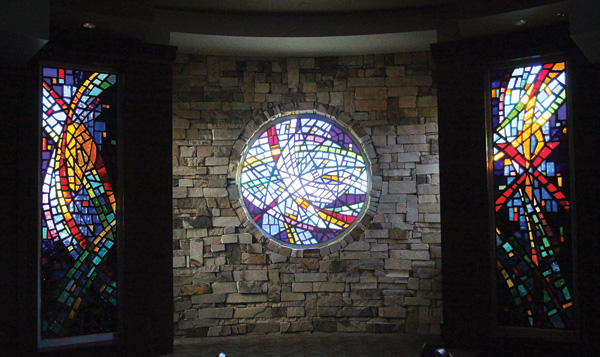
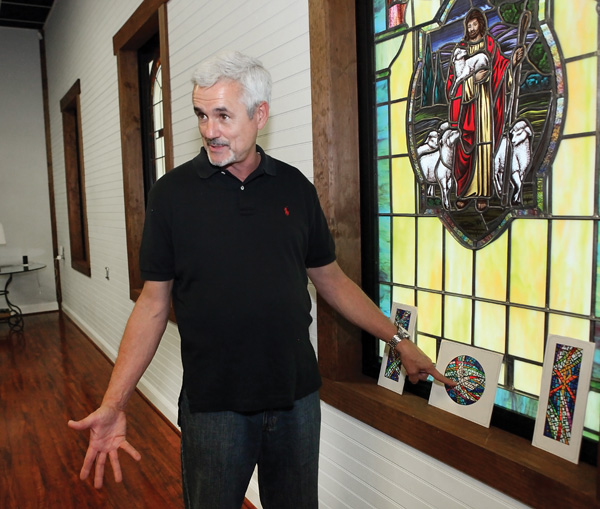
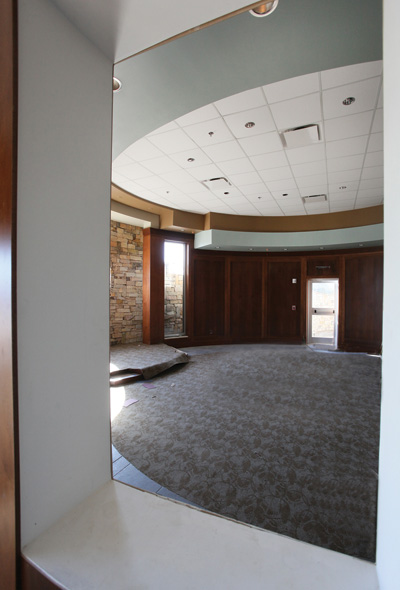
A round chapel with intricate stone work inside and out is a focal point of the hospital and offers a spiritual haven for patients and visitors as part of this faith-based health system.

Vick, who has been with the hospital for nearly 40 years, can’t seem to mask his excitement over the prospect of this new facility. It has been a long time in coming and would not have been possible without the team work of St. Vincent’s, St. Clair County Commission, St. Clair Health Care Authority, St. Clair Economic Development Council, Jefferson State Community College, City of Pell City and the State of Alabama.

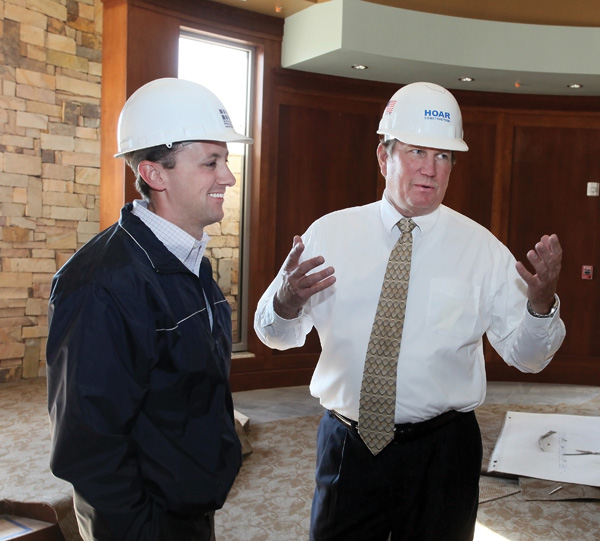
Chuck Penuel, whose architectural firm, Birchfield Penuel & Associates, designed the new hospital, called it “an important part of the St. Vincent’s ministry as it reaches further into the community providing the same quality health care as it has provided in the Birmingham area for so many years.

“It is certainly one of the most challenging projects due to the nature of working with four clients instead of one — the county, city, health care authority and St. Vincent’s,” Penuel said. “It’s a diverse group, but it shows that a common interest results in a positive outcome for the community.”

“I’m happy for our associates and our medical staff,” Vick said. “And we wouldn’t be here without community support.”

Valley coming back

By Carol Pappas
Photos by Jerry Martin

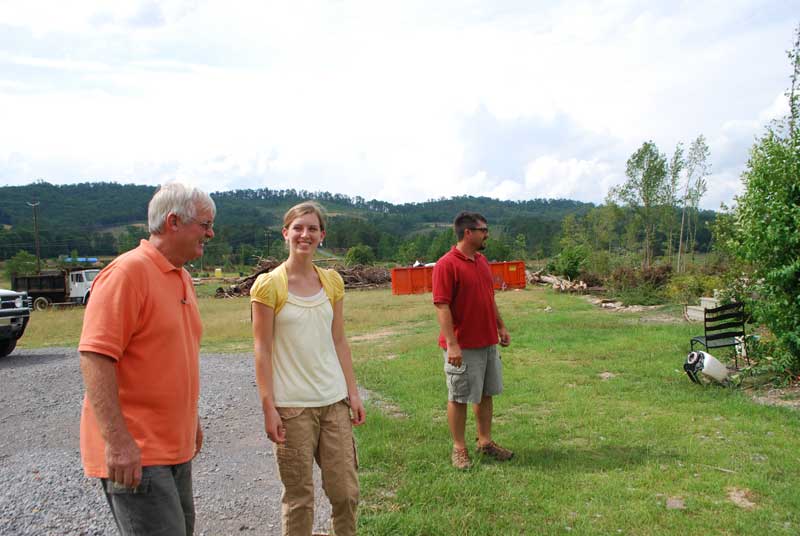
Monstrous trucks carrying limbs and debris no longer lumber up and down the 17-mile stretch of Shoal Creek Valley Road as frequently as they once did.

The air is no longer thick with smoke wafting from towering bonfires of cut trees and remnants from life in the valley before April 27.

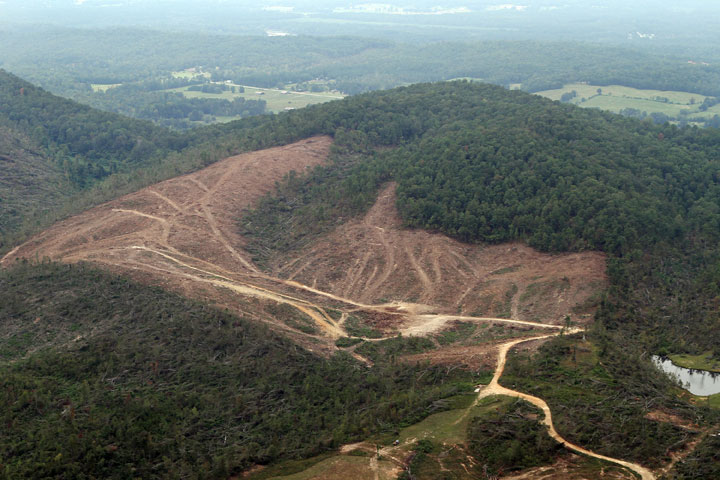
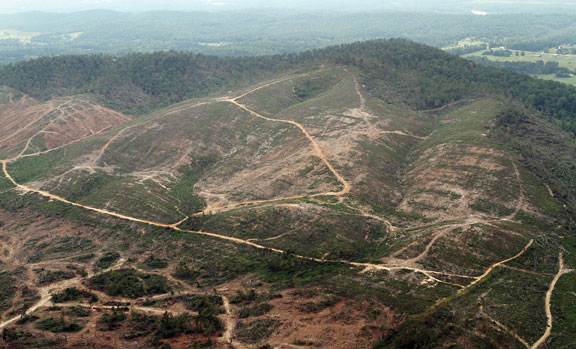
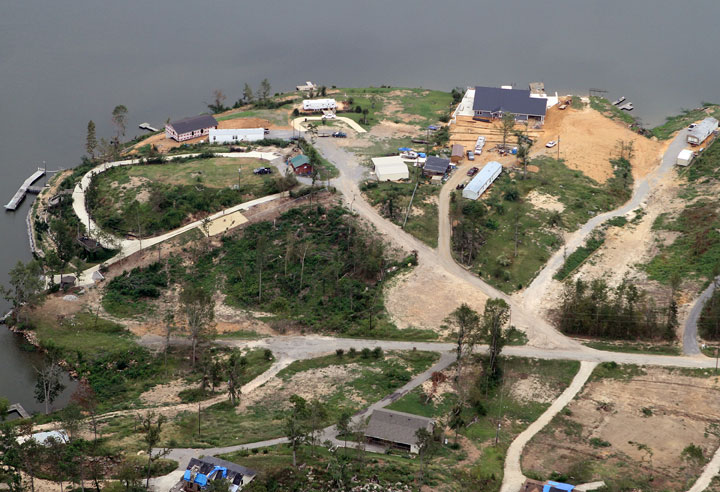
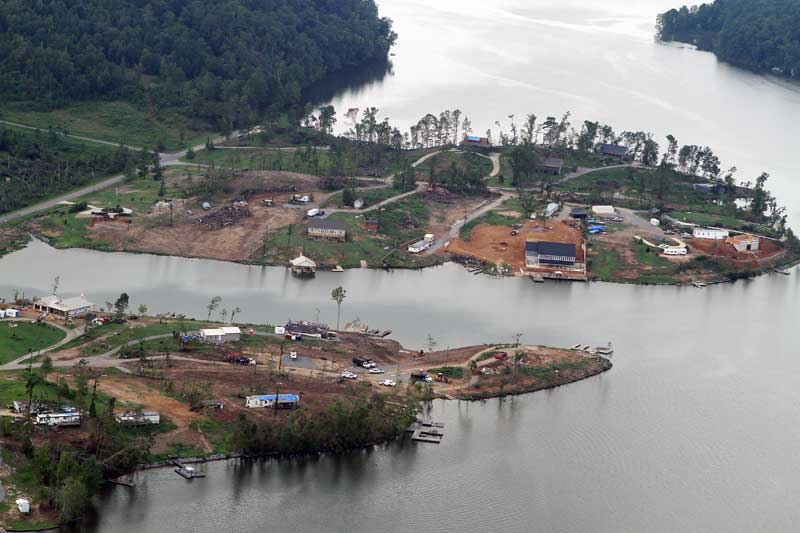
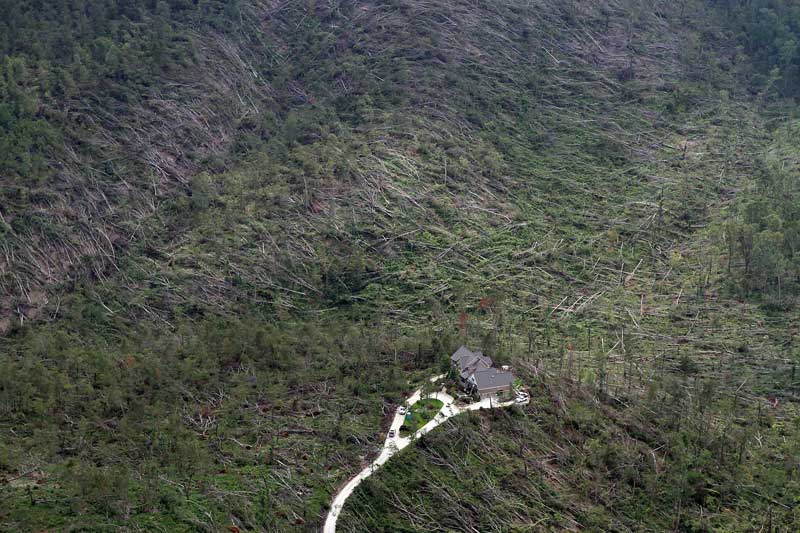
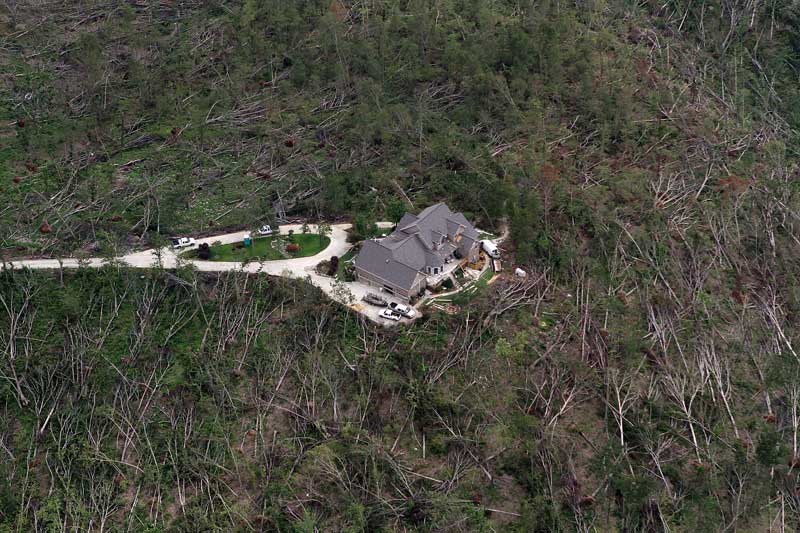
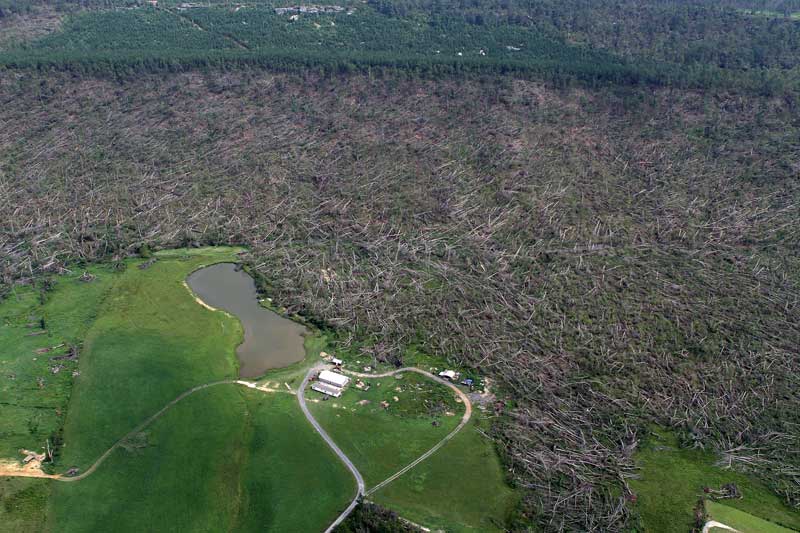
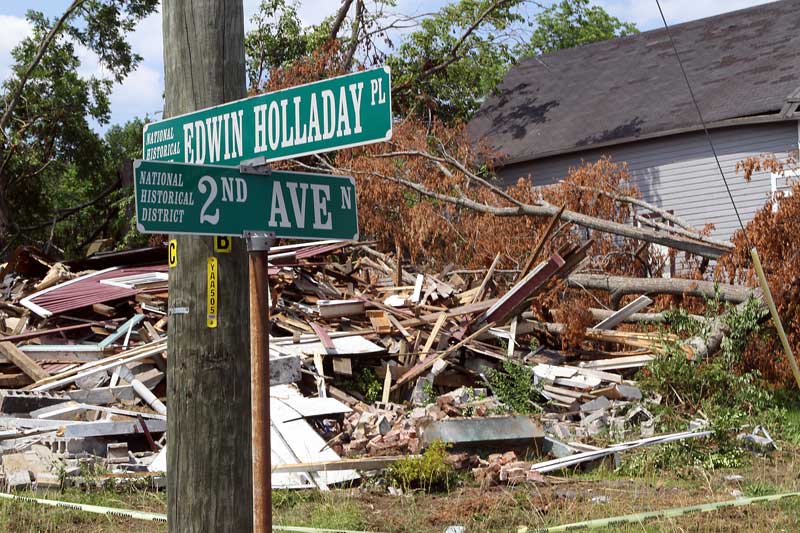
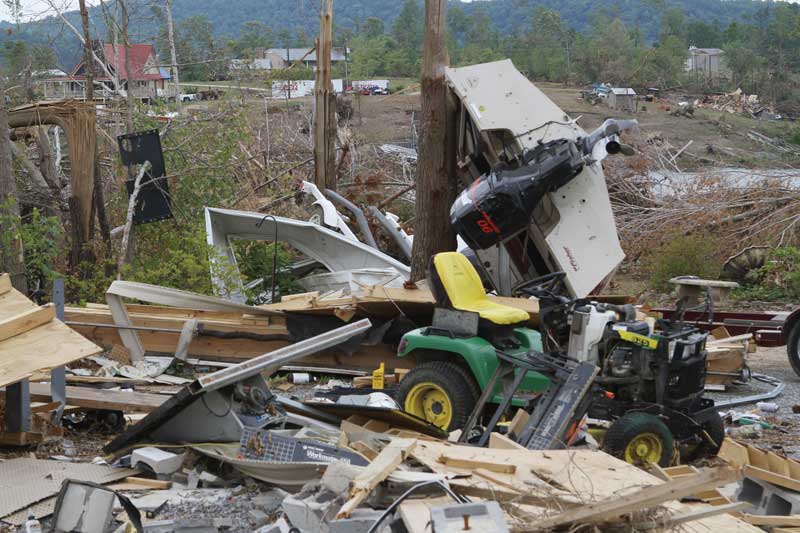
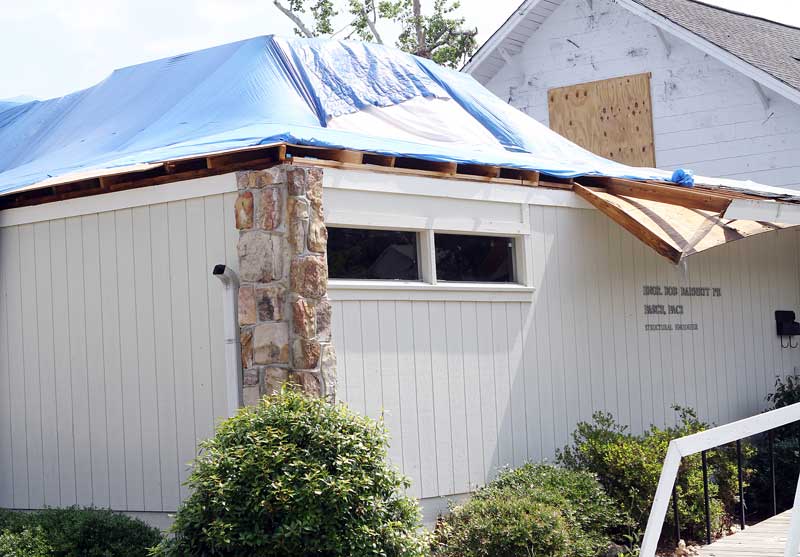
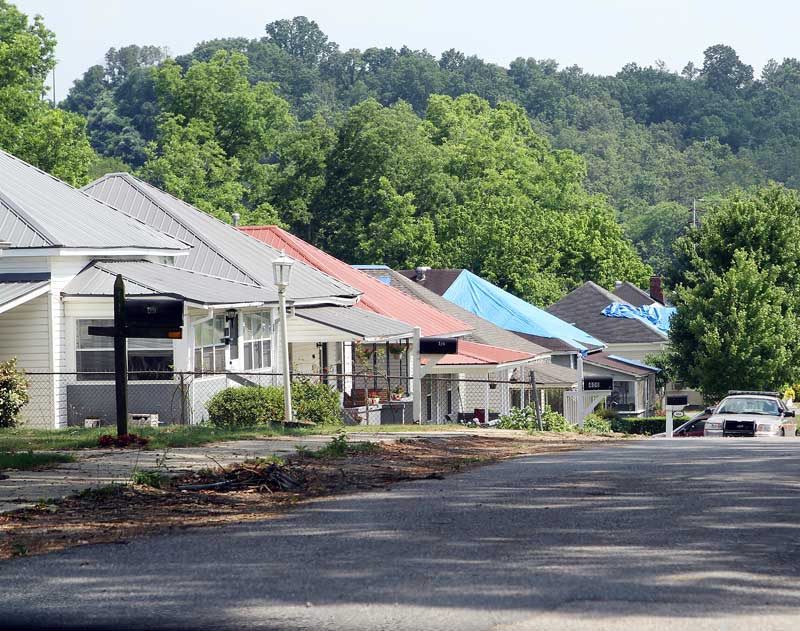
You might say Shoal Creek Valley is returning to normal. But this is a new normal for the 600 or so who live there — their lives forever changed since that fateful day when a mile-wide tornado swept through their valley, leaving death and destruction in its wake.

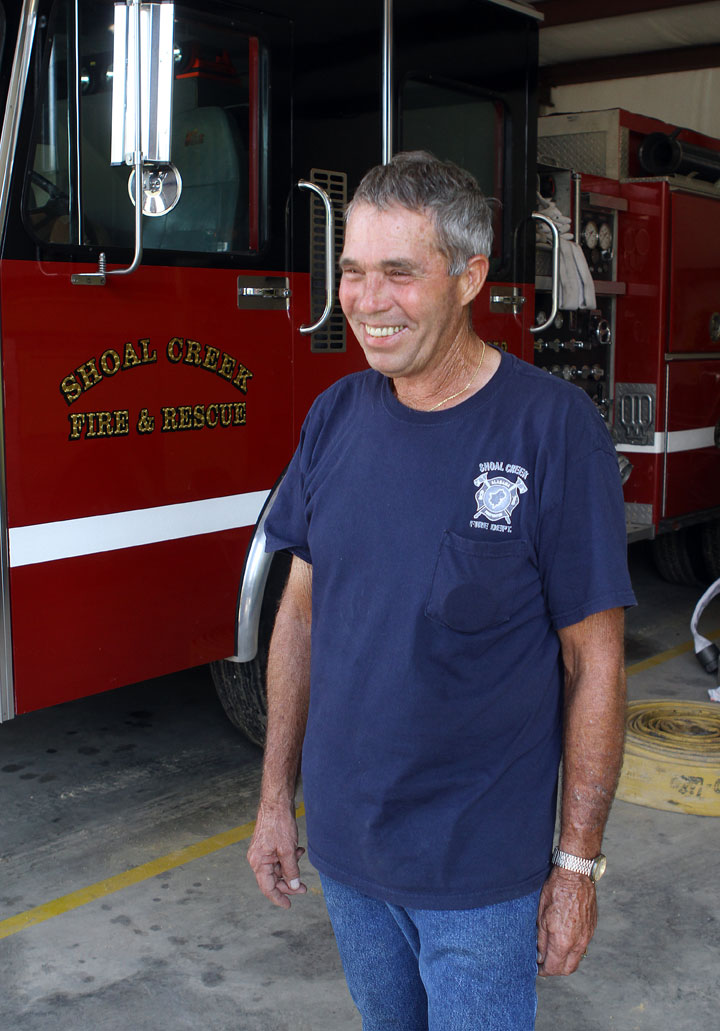
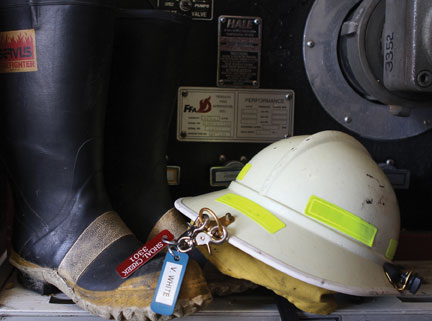
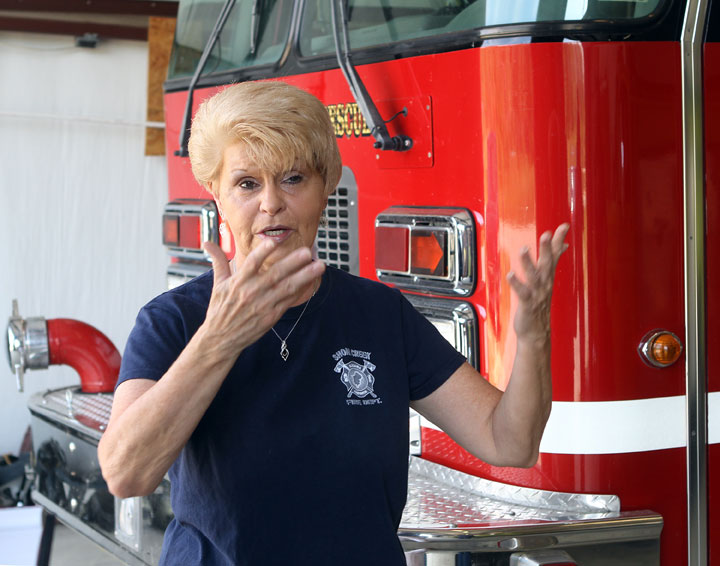
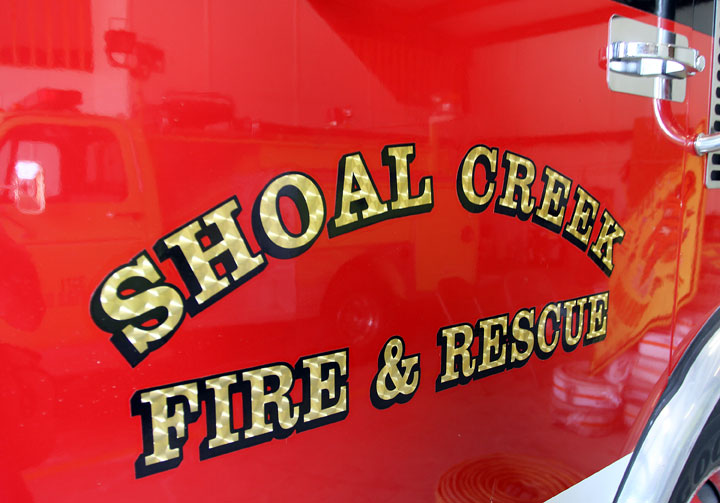
Probably no one knows the new normal better than Shoal Creek Valley Fire Chief Vernon White. He met the tornado head-on that night as he drove the volunteer department’s rescue truck en route to help others trapped by the storm.

He and other volunteers had been cutting downed trees since early morning when another tornado wreaked its havoc on neighboring communities. When he heard the weather report late that afternoon predict a fierce tornado heading Shoal Creek’s way, White headed to the house.

He wouldn’t stay there long. Radio transmissions of people needing help compelled him to leave his safe space and offer assistance.

But as he turned the corner a few hundred yards from his home, he spotted the tornado heading right for him. “I didn’t have time to try to outrun it. It picked the truck up, turned it one time, and I grabbed hold of the steering wheel and laid down in the seat.”

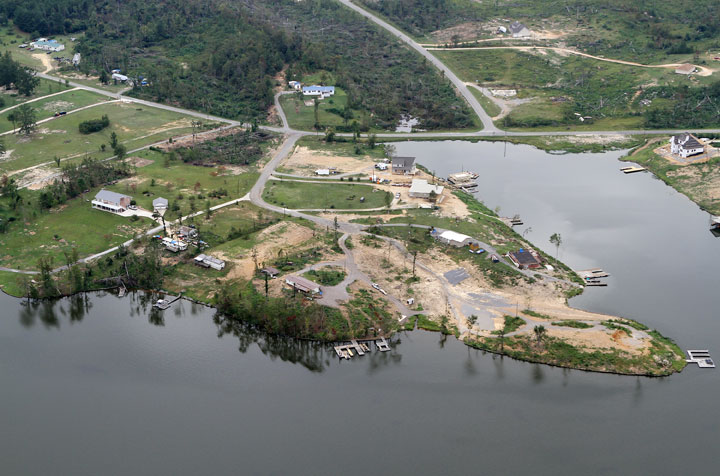
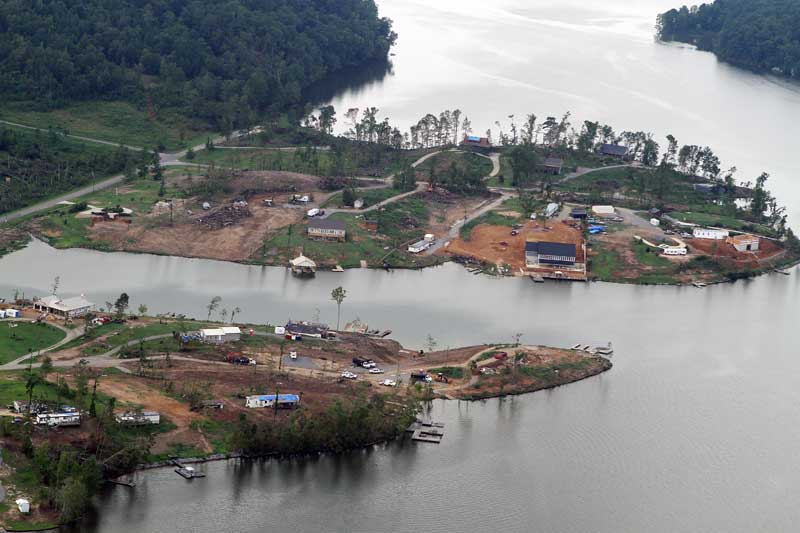
In the course of a few terrifying moments, the tornado deposited the truck into a nearby inlet of Neely Henry Lake. It landed about 30 or 40 feet out into the water, upside down.

He used a knife to cut his seatbelt, and he swam to safety, suffering a black eye and a single cut to his face. “That about ended the day right there,” he feigned at humor, recalling the events of April 27.

But the gravity of it all was not lost on his wife, Linda. “We are so blessed. God saved him because this man’s got more work to do here on Earth.”
In the days since, he, along with countless others, have been doing that work, trying to put back together the pieces of their lives left by that day’s fury. Inspiring stories of modern-day Good Samaritans are as plentiful as the trees that once stood sentry over this peaceful valley.

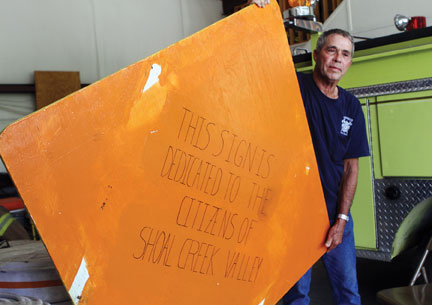
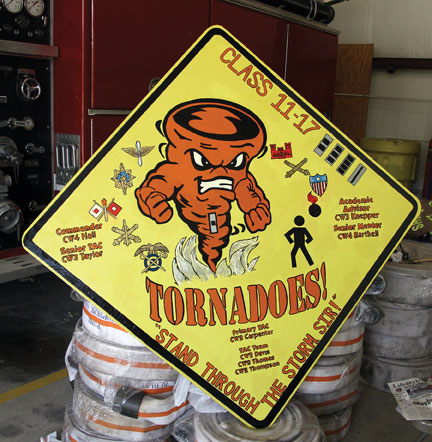
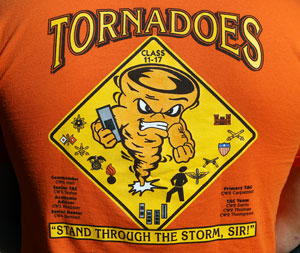
For White and others in the valley, one story stands out in particular, and there will be a constant reminder of it to passersby and residents alike at the site of the makeshift command post set up that night to coordinate rescue efforts. It is a sign built by warrant officer cadets at South Alabama’s Ft. Rucker, and how it came to be at Shoal Creek Valley is a story in and of itself.

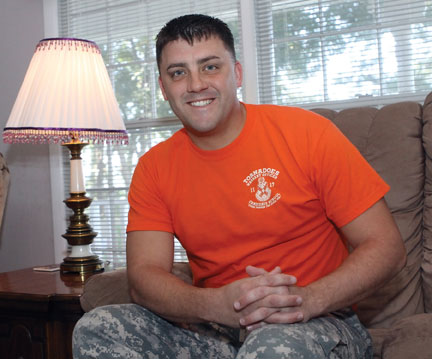
Six weeks earlier, it was time for the cadet class under the instruction of CW2 Brad Carpenter to adopt a mascot and a slogan, a tradition each year for these classes. The class’ mascot became “The Tornadoes” — their motto, “A force to be reckoned with, Sir.”
When the actual tornadoes did forge a deadly path through Alabama, Carpenter thought out of respect to victims that they adopt a different mascot. He took emergency leave himself when the tornadoes damaged his own family’s homes, hoping to help. His mother, Elaine, lives near Pell City, and his cousin’s house was “two feet tall after that.” Insurance regulations kept him from helping there, so he turned his attention to Shoal Creek.

He bought chainsaws, American flags, ropes and water and headed to north St. Clair County, only to be stopped again. They wouldn’t let him in at first, but his determination to “be effective” eventually opened an opportunity that led him to Armstrong Street. He spent the day helping a man he later found out was an Airborne Ranger and Vietnam veteran.

“At the end of the day, he said I can’t thank you enough. I told him, ‘It was an honor to have helped you. We owe it to you, Sir.’”

When he returned to Ft. Rucker, the mascot stayed the same, but the motto changed: “Stand Through the Storm.”

“Standing through the storm. That’s what we did,” Mrs. White said. “We stood together, and we’re gradually cleaning up.”

The men created a 4-foot-by-4-foot sign with the mascot and the motto painted on it, and it was dedicated to the community in early September. “We donated it to Shoal Creek as a symbol to provide inspiration that things are turning for the better,” Carpenter said. The men raised money and donated that as well.

“It is an awesome sign,” White said. “They are wonderful young men, wonderful family men. And it’s awesome what he has done for our nation,” he said of Carpenter, citing multiple tours of duty in Iraq and Afghanistan. “He is a blessing to me and should be a blessing to this whole great nation for the things he has done.”

Here at home, Carpenter served once again, helping neighbors he didn’t even know before.

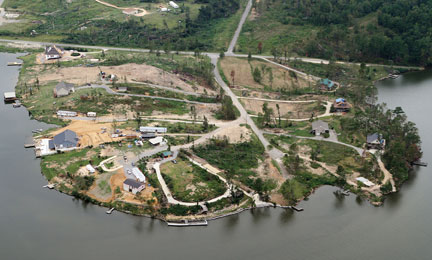
After all, that is what life in the valley is about these days. Only one or two families are not rebuilding in a community that had more damage and destruction than houses standing when the tornado had run its course.

“Neighbors helping neighbors,” Mrs. White said. “That’s what it’s all about.

Rising From the Rubble

By Loyd McIntosh
Photos by Jerry Martin and Loyd McIntosh

On a blazing hot Saturday in mid-June, Gary Liverett drives his white pickup truck onto the property of Alpha Ranch, the ministry for young adult boys he founded more than 20 years ago. Fresh from picking up his son, Chris, a real estate agent in Colorado, from the airport in Birmingham, Liverett takes a seat under a tent that serves as a meeting place, a work space and a welcome respite from the heat of the summer sun.

It’s been almost six weeks since the deadly tornadoes of April 27 tore through this remote section of St. Clair County. In just a three-mile stretch along County Highway 22, 15 people lost their lives; none, however, at Alpha Ranch. In fact, 37 people survived the storm in one of two homes on the property, despite the loss of the entire ranch to the storm.

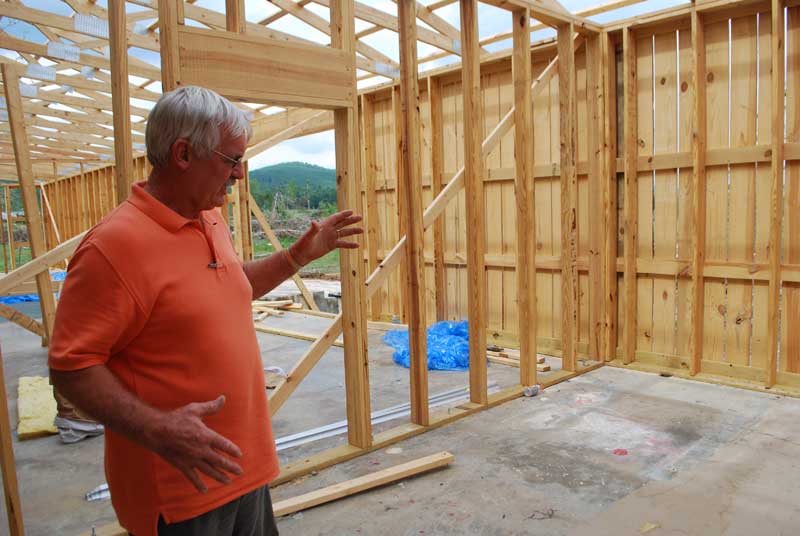
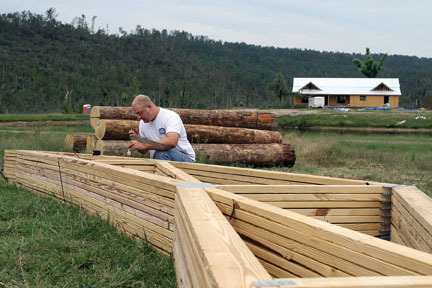
There are signs of progress on the ranch. For instance, the wood frame for a new shop has been erected and most of the debris has been removed, but there are still tons of reminders all around. Liverett is still in the process of making sense of all that transpired.

As fate would have it, Liverett was recuperating from a heart attack at UAB Hospital on that devastating day in April. Helplessly, Liverett could do nothing but watch the television coverage as the storm moved from Tuscaloosa County into Jefferson and, finally, into St. Clair. “The first news we saw that pinpointed the area was Channel 6, I guess, I’m not sure, but they said it was dead on Highway 22, and I knew that was us,” Liverett recalls. “My wife called and got word that nobody was injured, but that we had lost everything.”

Three days later, Liverett finally got a first-hand look at the destruction caused by the tornado. His son, Chris, and other family members had tried to prepare him with photos and news of all that had transpired. He knew, for instance, that 13 people had lost their lives in a three-mile stretch. He knew that both houses at the ranch, the barns, the shop and three cows were lost in the storm.

“I wept. I drove in …,” he pauses, unable to complete his sentence. Almost a full minute passes before he fully regains his composure and continues.  “I still get emotional. As good as things are, it’s still hard to take.”

An independent and deeply spiritual man, Liverett is not one to say “why me” even when facing the prospect of starting over. While saddened at seeing everything he had worked to build over the 23 years, he believes that God is in control, and it is through his faith that he remains confident about what the future holds.

 “When we heard we had lost everything but I knew that everybody was safe, I was OK. I think God just really works in ways that we can’t explain,” Liverett says. “I really felt at peace. I was just blessed because I think God allowed us to see what things are really important to us.

“I guess God gives us the ability to process things in small segments at a time. If you had to process losing it all at one time, I don’t think you could take it,” he adds.

The good news is people like Liverett and others who lost everything — including loved ones — are already beginning the process of rebuilding. The events of April 27 revealed an ample supply of generosity, independence and strength of character of people throughout the community and beyond. St. Clair County is already bouncing back.

A COMMUNITY’S RESPONSE
Within hours of the storm, volunteers from the community sprang into action looking for survivors, assisting the injured, and helping in any way they can. As the hours turned into days, more help arrived from familiar organizations, such as the Red Cross and the Federal Emergency Management Agency (FEMA). And, according to Liverett and others on the scene, these agencies also brought with them top-heavy bureaucracies that sometimes made applying for and receiving help difficult.

What really made the difference was the response of the local religious community. “I know FEMA and Red Cross and all have their place, but nothing, and I can speak for a lot of people, nothing met the needs like local individuals, churches and other ministries that were just right there with volunteers,” he said. “You don’t have to fill out papers, you don’t have to wait days and days, and they had no strings attached,” says Liverett. “I’m not putting down any of these agencies, but most of them have only certain things they can do, whereas individual groups like Extreme Ministries, just right off the bat, committed to building several houses and structures in this area, and they’ve done all they can.”

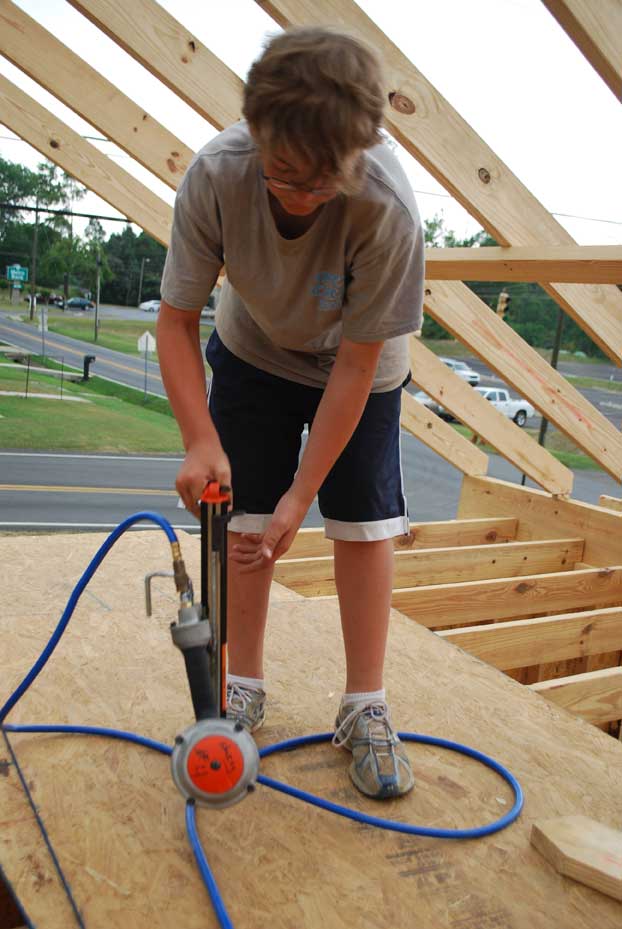
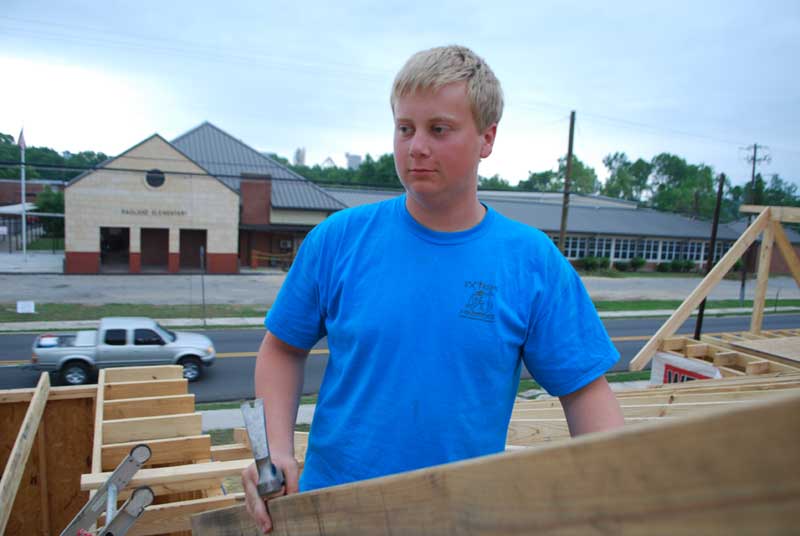
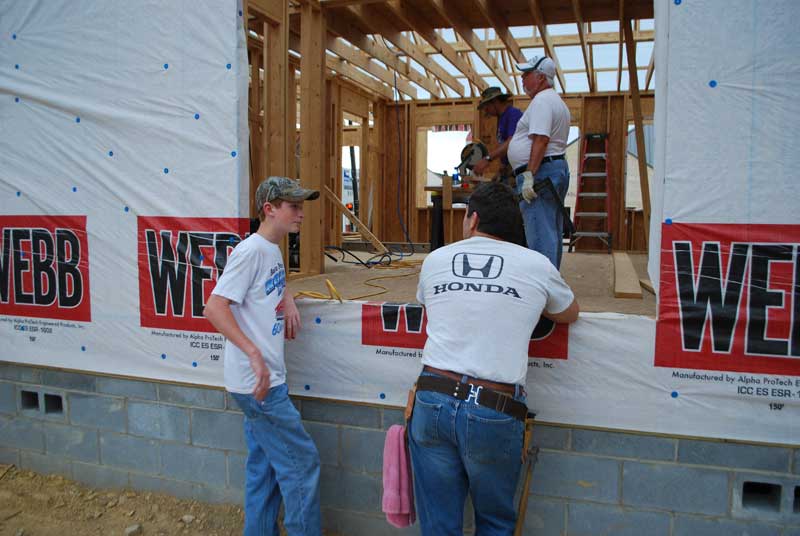
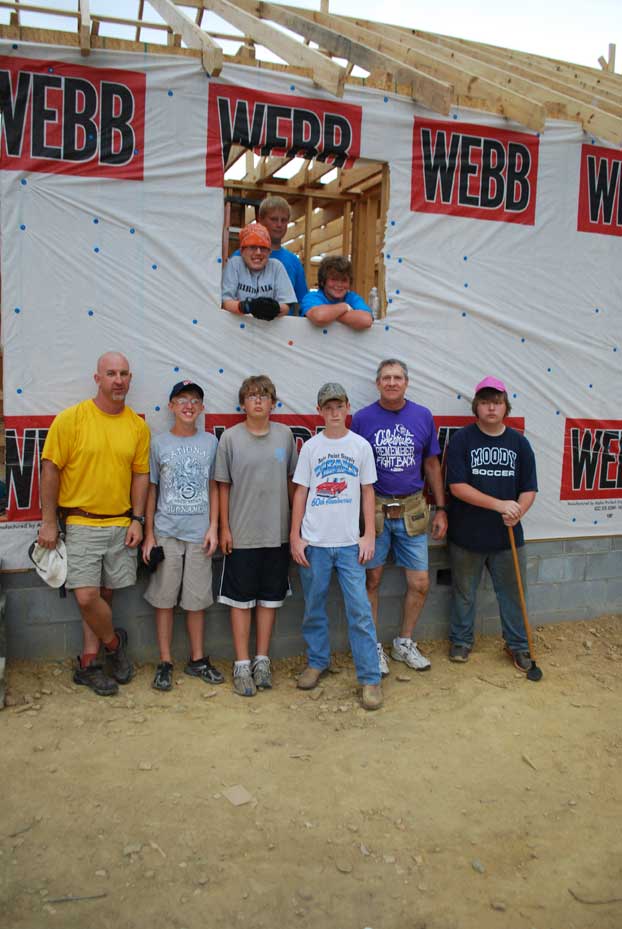
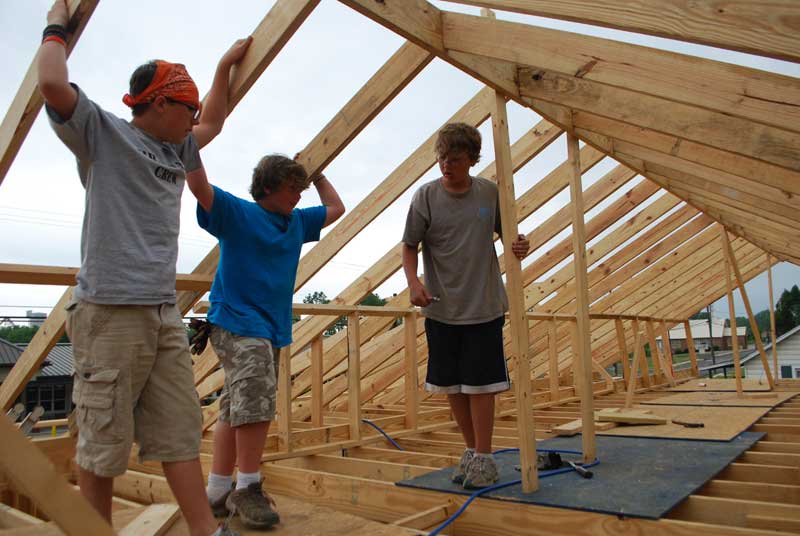
Extreme Ministries, based in Pell City and founded by the Rev. Jeff Huey, specializes in mobilizing volunteers for construction-related projects. By the time mid-June rolled around, Huey had volunteers working at as many as eight sites around the county, including Ragland, where a group of adults and teenagers are working to rebuild a house for an uninsured man.

In the triple-digit temperatures, high humidity and intense thunderstorms arriving out of the clear blue, the mood on the construction site is serious but upbeat.

“One thing you see is a mighty good attitude,” says John O. Sims, a retired builder from Pell City.

At this site, there are people from churches near and far – Pell City, Moody, Trussville, even Dallas, Texas. While there is a definite spirit of community and desire to help their fellow man, most volunteers throughout the community are working primarily to serve God.

“Everybody’s doing this because they love the Lord, and they’re doing it because they feel it’s a way of serving Him. It gives you a good feeling knowing that you’re helping somebody out in trouble and doing it in God’s name,” says Sims.

“Everybody’s just willing to do whatever has got to be done and it’s all in the spirit of God. It’s just a wonderful experience,” adds Mike Caldwell, a Pell City resident and employee at the Honda plant in Lincoln. “The attitude of everybody is just ‘whatever I can do to help. We’ll get it done.’”

Fifteen-year-old resident Austin Hamer is one of dozens of young people form Moody Baptist Church spending the week doing what they can to help. A normal teenager for whom a typical summer day would be playing his guitar at home, Hamer says he’s proud to be a part of the volunteer effort.

“We’re here to help build Shoal Creek back and Ragland back. I’ve heard people who were just doubting and sounded like they were giving up,” says Hamer. “I think it’s really good that so many people have come to help out because a lot of people down here don’t have insurance, and the churches are, pretty much, the only ones doing anything around here.”

The aftermath of the storm was felt not only by the community’s people, but the animals as well. Family pets, horses, cows and other livestock that helped the rural communities devastated by the tornadoes earn a living were significantly disrupted. Not wanting to leave any life, human or animal, without help it needs, the community sprang into action.

Rhonda Johnson-Bowles, account manager and equine and wildlife specialist for Land-O-Lakes Purina, helped organize an effort to care for the area’s animals after counting her own blessings following the storm. Having lived in the Shoal Creek area for more than 25 years, she felt the need to help and volunteered her time and skills to the community. “I was blessed to be the dealer and not the one being done for,” Bowles says. “We started out just helping farmers and then on Friday, my boss sent me a truckload of feed.

“I just went door-to-door and started in Shoal Creek and if anyone that was affected had an animal I gave them a month’s worth of feed,” Bowles adds. Before long, donations of food and supplies were arriving on her doorstep from as far away as Michigan and Wisconsin. To date Land-O-Lakes Purina and other individual benefactors have donated over 58 tons of premium feed in the effort.

GIVING AND RECEIVING, AND GIVING AGAIN
Back at Alpha Ranch, Liverett is taking stock of this turn of events. For 23 years, he has been a giver. He’s given young men with nowhere to go a place to stay, given them a place to learn a trade and to take care of themselves, and given them hope. Most of all, he and his family have given them love, support and a chance to turn their lives around. Now he finds himself in an unfamiliar position but hopes to be back changing lives sooner rather than later.

“We learned a lot. I don’t like to be on the receiving end. I’d much rather be on the giving end, but I think, probably, had people not rallied behind us so much, I don’t know if I’d have the heart to start back or not,” says Liverett. “We’d worked so hard to establish the place. I’m 61 and to start over, I don’t know if I would have had it in me, but God has used those people, and I feel stronger now than I’ve ever felt.”

Even after a heart attack and the loss of his ranch, Liverett is working every day not only to rebuild Alpha Ranch but to help his neighbors that suffered so much in April. He’s donated the use of heavy equipment to others and the use of his land for meetings and even a few fundraising events. And as soon as construction on the new shop is complete, he’ll let anyone who needs to saw some wood or hammer a nail be able to use it.

“I hope my heart has gotten bigger toward helping people. Giving is not just giving when it’s comfortable or when it’s notable, but when it hurts or gives what you need,” Liverett says. “I’ve seen people do that here, and that’s really been a lesson to me.”

“We’re blessed,” Liverett adds. “We’ve had people reach out and help us, and I’m grateful for that. I really am.”