Rhythm of the Rails

Story by Roxann Edsall
Submitted Photos

Two little girls, laughter echoing in the Alabama moonlight, hurry alongside their mother toward the train station. It’s the late 1950s in Pell City, a time when the whistle and hiss of the train closing in on the station was as predictable as the sun set.

Carolyn Hall recalls, “It was exciting! Mother would tell us to hurry because the train would be here any minute.”

Her sister, Nancy Jordan Spradley, smiles as she adds to the story. “Our mother or grandmother would carry us down there every night, and we’d wait for the train to come through. We’d wave at the conductor, then wait for the caboose and wave to that man, too.” For these sisters, that nightly ritual became a cherished memory, a blend of excitement and comfort as the mighty trains passed through their small town.

The evolution of the project

Pell City’s history is inseparable from the railroad tracks that brought it to life. Founded in 1887 by a consortium of railroad investors, the city was named after financial backer, George H. Pell, president of the East and West Railroad. A short line was created by that railroad to connect three larger systems – Seaboard Air Line Railroad, Talladega & Coosa Valley Line and Georgia Pacific Railroad – and a shared depot was built.

Even so, the town had an uninspiring start, sluggish at best. That is, until the railroad brought to town the man who would save it not once, but twice. Sumter Cogswell, a 29-year-old insurance agent, had no thoughts of saving a town in Alabama when he boarded a train near his own Kentucky home in March of 1890. He was headed to Talladega on business and was scheduled to change trains in Pell City. A missed connection left him stranded for the night.

Rather than an inconvenience, this delay became a turning point, not only for Cogswell, but for the future of the sleepy town. After a night at the Cornett House Hotel, Cogswell awoke, looked outside, and was struck by the potential of the area, specifically the proximity of three converging railroads, the nearby Coosa River, and the beauty of the surrounding landscape.

Seizing the opportunity, Cogswell purchased an option on a significant parcel of land, then negotiated a sale to the Pell City Iron and Land Company. Presuming the town was now on good footing, Cogswell left to resume life elsewhere.

The Panic of 1893 was a time of severe financial depression across the country, and it had devastating effects on Pell City. The Pell City Iron and Land Company went bankrupt, and by the time Cogswell returned for a visit in 1901 with his wife, Lydia DeGaris Cogswell, the town was all but dead. The Cogswells arranged to purchase the dying city for $3,000 and began to nurse it back to health.

It took hours of work to create this level of detail

Now 135 years old, Pell City is a healthy, growing city. A city of more than 17,000 people, it covers 27 square miles of land and water, a far cry from the original 8 blocks on the incorporation papers. Pell City has changed a bit since those early days, and though passenger rail travel is no longer available to or from the city, its impact is irrefutable.

To celebrate those early days and how the tracks once carved Pell City’s landscape, a group of six volunteers dedicated over a year building a train exhibit for the Museum of Pell City. The exhibit, opening this month, features an early 1900s to 1930s-era landscape of Pell City with exquisite detail, completed using historic photos from that time. The project was headed up by retired architect and model builder Malcolm Sokol.

Sokol worked with museum designer Jeremy Gossett to clear space within the museum and determine how large the exhibit could be. From that information, Sokol was able to create a design. A team of volunteers, which included Winston Greaves, David Smith, Max Jolley, and Erik Grieve, worked at Sokol’s house the first month to build the benchwork (similar to a table top) and the cork roadbed for the track. Colder weather and space constraints forced the team to move their operations to the Municipal Center for the rest of the build.

“We had all built model cars and things, but those were kits, and we were just kids. But with this project, Malcolm gave us specific tasks with instructions,” said Jolley. “He taught us tricks of the trade.”

Jolley’s specialization was painting all the people in the exhibit. “These people are smaller than your finger,” he adds. “I painted each one of them and to do that, I had to hold it still with tweezers and paint with a very small paintbrush.”

Among the buildings that were custom built were the courthouse, city hall, train depot and Cornett and St. Charles hotels, the First National Bank building, the Jake Garry livery, and Martin’s store. Others began with kits and were customized to look like the historical structure.

“We had homework from Malcolm each week,” recalls David Smith. “He’d send us home with a model to build each week and when we brought it back, he’d make suggestions, and we’d refine it until it was just as it should be.”

Smith was also in charge of 3D printing all the horses and wagons. The piece Smith spent the most time on was the water tower by the courthouse. The tower, whose many guy wires each had to be glued in place and painted, took a month to complete. The Cornett Hotel, which was built by Sokol, took six weeks to build.

Erik works on terrain

Sokol also produced each of the cars on the layout. He bought several cars and made molds of those cars so he could produce multiple castings of each car. Each of the cars represents about two hours of work.

Winston Greaves is a fellow model railroader and a friend of Sokol. Originally from Trinidad, he is a professional electrician by trade. He served as the project’s electrical specialist, and got everything powered so the train moves around the town. He also helped build many of the buildings.

Erik Grieve used to work with his grandfather on model trains. He had the opportunity to relive some of those memories while working with the rest of the team on the project. “It was incredible to see all the different techniques that go into bringing these scaled-down versions of real pieces to life,” Grieve said. “Malcolm showed us a spray-painting method that made the buildings’ bricks look amazingly realistic. Seeing how all the tiny details come together to create one cohesive picture was truly impressive.”

The team had all but a handful of pieces glued down when it had to be taken apart to move into the museum for the final work. It was reassembled in the museum space, and the team continued work and tweaked it for three additional months before unveiling the completed project. In all, an estimated 1,000 hours of work went into the project.

While the project represents many hours of work, the volunteers involved echo the sentiment that working together and getting to know each other was the greatest reward. As Smith put it, “For five grown men to be together and never any derogatory words spoken is a blessing. It was a bunch of men coming together and playing with toys, but creating something that, hopefully, generations in the future will enjoy.”

Museum designer Jeremy Gossett observes. Around the table are Winston, Malcolm, Museum Coordinator Erica Grieve, Erik and David

“This model is such a beautiful example of what can happen when a community comes together,” said Museum of Pell City Coordinator Erica Grieve. “Because of their dedication, we can give visitors a realistic look at our town’s early days and show how the railroad helped shape who we are today. It’s exciting to see projects like this continue to grow and strengthen the way we share our history.”

Ronald Sumner loves remembering the history of the area. He’s been a resident since his family moved to Pell City as a young boy. He remembers planes flying overhead announcing the end of World War II. And he remembers riding the trains from Pell City to Birmingham and back with his parents.

Spend time looking closely at the intricate details of the buildings along the train tracks, then close your eyes. You can almost hear the rhythm of the rails and how that became the rhythm of life for Pell City and her people. l

Editor’s note: The Museum of Pell City is open Thursdays and Fridays 10 a.m. – 4 p.m. and Saturdays 10 a.m. – 2 p.m.

Earnest Roots Farm

Story by Scottie Vickery
Photos by Mackenzie Free

Not long after they had their first child in 2017, Kiley and Josh Morrison started wondering about the food they were giving him. They worried about where it came from, the chemicals it contained, and whether or not it would affect their son’s future health.

After doing some research, they weren’t happy about what they learned. So they planted a vegetable garden, got a milk cow, and vowed to make changes for the good of their family.

Atticus is raising quail

Nearly 10 years later, what started out as parents’ intuition has morphed into Earnest Roots Farm in Ashville, which offers pasture-raised beef, chicken, pork, and other food that was “produced the way God intended.” No GMOs, antibiotics, hormones, or synthetic chemicals are used, Josh said. Instead, they practice regenerative agriculture to produce healthy soil, which produces better grass, leading to healthier animals. The result, he said, is nutrient-rich foods with superior flavor.

“What’s at the end of your fork determines your health,” Josh said. “If you know your farmer, you know your food. It’s not just about taste, it’s about what you’re putting in your body,” Kiley added. It’s a lifestyle they’re willing to bet the farm on because they’ve seen the benefits of a healthier food system firsthand.

“We weren’t always foodies,” Josh said. “We didn’t care what we ate. I drank Mountain Dew like it was going out of style.”

Josh grew up with migraine headaches, some so severe he had to be hospitalized. While in a neurologist’s office one day, he flipped through a health magazine because it was the only reading material available. “There was an article about how your body needs water for your organs to work properly,” he said.

Josh decided to give it a try and vowed to drink only water. “I started seeing changes within several months,” he said. “Within two years I wasn’t having any more headaches, and this was something that had plagued me for 30-something years.”

Although their original goal was to provide the best food for their family, the Morrisons quickly realized that other folks wanted to do that, as well. As a result, they’ve steadily grown their business and their desire to be local farmers that people can trust.

Much of that trust comes from transparency. In addition to offering farm tours “so people can see that we do what we say we’re doing,” they have a YouTube channel with videos about everything from their farming practices to recipes and instructions for cutting up a whole chicken or making homemade butter.

Andrew Jones offers a blessing before everyone eats at Market Day

In 2024, they started hosting monthly Market Days with educational demonstrations and local vendors selling everything from honey, jams and jellies, sourdough bread, tinctures and oils, soap candles, and all-natural dog treats. They also sell their chicken, beef, pork, lamb, and quail, as well as offerings like fresh eggs, bourbon pepper bacon, garlic pepper brats, and maple brown sugar breakfast patties.

Market Days were so popular that they now host a farm market every Friday in addition to their shipping and local delivery options. “We’ve just continued to steadily improve it,” Kiley said. “We’ve learned a lot along the way, and God continues to open doors for us. We couldn’t do this without the tremendous support of the community.”

Deep roots

Kiley, a third-generation farmer, grew up on the family farm where she and Josh are now raising 9-year-old Augustus and Atticus, 6. Her grandfather, Ernest Ostrowski, was a dairy farmer in Wisconsin before moving to Alabama and marrying Kiley’s grandmother, June, a cattle farmer. Phillip Byram, Kiley’s father, was 16 when his mother married Ernest, and he has lived on the family farm, where he raises beef cattle, since he was 10. Phillip’s wife, Sharon, who passed away in 2020, was a farmer, as well.

Although Kiley loved growing up on the farm, she had no plans to end up there herself. She and Josh, who grew up in Altoona, met online 20 years ago, and they both attended Gadsden State before marrying and pursuing civil engineering degrees at the University of Alabama.

Kiley and Josh found jobs in the telecommunications field – she was in management with an engineering company in Birmingham, and he started designing fiber telecommunications. She traveled a lot and loved her job, but the lure of a simpler life eventually began to take hold.

“I wanted to be home and have a family and be grounded,” she said. “It took getting away from the farm to realize what a blessing it was to be able to live on the farm. It’s not something I take for granted.”

She realized she wanted her kids to have the same experiences she had, so they returned to Ashville and bought her grandparents’ farm, which was 10 minutes from her father’s farm. Although the plan was to focus on homesteading and self-sufficiency, they soon began selling beef, chicken and pork at a farmer’s market in Gadsden, which they did for two or three years. Business was good, so they launched a website just about the time the Covid pandemic started.

Culinary students Braden Godwin and Max Smith; Joey Duke of Aquality Farms; Meigan Tucker of ECTC; Josh and Kiley Morrison; and Anna Warren of The BFIT Bakery

“All of a sudden, people didn’t want to go to grocery stores; they wanted to go to their local farmer,” Kiley said. They set up local pickup points so customers could place orders online and pick it up later at a convenient location. “We did that for the community, and a lot of people took advantage of that,” she said.

The shipping side of the business grew quickly, and in 2021 they sold Ernest’s farm and bought a farmhouse and 10 acres (they recently added another 40 acres) adjacent to Phillip’s 180-acre cattle farm. Kiley’s sister and brother-in-law, Molly and Andrew Jones, live on the farm, as well, and the five of them work together to make Earnest Roots a reality. “Kiley and I are just really the faces” of the operation, Josh said. “It’s very much a family endeavor.”

The farm’s name is a nod to Ernest and the family’s deep farming history. Ernest and June taught Phillip to farm, and they taught Kiley and Molly, Josh explained. When he and Andrew joined the family and “didn’t know jack diddly about farming, they taught us, as well,” he said.

They changed the spelling from Ernest to Earnest as a nod to the future. “If you look in Webster’s dictionary, one of the definitions for ‘earnest’ is a promise of things to come,” Josh said. “As we grow, as we learn and diversify, we’re adding more and more products for our family and yours,” he said.

Future fruits

Market Day at the farm

They’re also raising what likely will be another generation of farmers. “They’re the reason we started this,” Josh said as he watched their boys run across the pasture.

The days are long. Josh is still designing fiber telecommunications in addition to his work on the farm. Kiley homeschools the boys while juggling her many roles. The boys get up early every morning to feed the chickens while Josh milks cows.

And they wouldn’t have it any other way. “I love that we’re raising them here where I was raised and that they’re getting their hands dirty and learning that it doesn’t hurt to work hard,” she said. “Never in a million years would I have thought that we would be here. There were a lot of steps between our original goals and where we are now, but God was laying the groundwork. He put us where we need to be without a shadow of a doubt.”

Dancing With Our Stars

Story by Cherith Glover Fluker
Submitted Photos

Looking for a high-energy evening that brings the community together while supporting a meaningful cause? Dancing With Our Stars, Pell City’s version of the popular television show Dancing With the Stars, returns for its 12th year this spring, continuing a beloved local tradition with a few thoughtful updates.

The event will take place on March 14 at 6 p.m. at the Center for Education and Performing Arts (CEPA).

For more than a decade, Dancing With Our Stars has showcased performers from Pell City and surrounding areas in a fun competition that celebrates creativity, connection and community pride. While the Pell City Line Dancers organized and headlined the event for its first 11 years, this marks the first year CEPA has taken on full responsibility for planning and hosting the event.

CEPA Executive Director Ash Arrington says the transition feels like a natural next step. “We’re excited to expand off the stage and get into the community planning this event,” Arrington said. “It’s always been our goal to reach more people, and having this under the CEPA brand adds a level of legitimacy to our desire to serve the community in new ways.”

CEPA Assistant Director Maci Johnsey acknowledged that taking on the event has been a big challenge for the organization’s small staff, but also a rewarding one. “It’s been a lot to take on, but that also makes it more personal,” Johnsey said. “We have a small committee, which makes communication easy, and everyone involved really cares about keeping the heart of the event intact.”

What is New This Year

This year’s program introduces expanded performance categories, with group sizes classified as Duo/Trio, Small Group (3–15 participants) and Large Group (16–30 participants). The number of participating groups will also be capped to keep the total runtime at approximately 2.5 hours.

The event is open to community members who want to participate. Groups perform a short routine of their choice.  Registration is free and open until capacity is reached. Participants can register at www.pellcitycepa.com, where full performance guidelines are available, or in person at the CEPA Box Office. Questions may be directed to Johnsey at maci@pellcitycepa.com.

“We want to keep the event fun while also keeping the audience engaged,” Arrington said.

Judging will include first-, second-, and third-place awards, along with several special recognitions. Winners will be selected by celebrity community judges, and awards will be given in each category.

Audiences can expect a diverse lineup of performers, including children, professional dancers, neighborhood groups, local schools and dance studios. Returning favorites include Red Apple Dance, an Asian dance group based in Birmingham, along with the Pell City Line Dancers. Both groups remain a cornerstone of the event.

Giving Back to the Community

In keeping with CEPA’s mission, proceeds from the event will benefit organizations whose work aligns with community enrichment. This year’s primary beneficiary is the Pell City Education Foundation, with a junior recipient, The Hartzog Foundation.

“We love spotlighting these organizations and bringing awareness to the incredible work they’re doing right here in our community,” Arrington said.

In addition to the dance performances, the evening will feature a silent auction, concessions and beer and wine available for purchase.

A Night That Brings People Together

For Johnsey and Arrington, the impact of Dancing With Our Stars goes beyond dance. “People show up year after year to support their family and friends,” Johnsey said. “It’s a tradition.”

Arrington agrees and says one of her favorite moments is greeting attendees as they arrive. “So much work happens behind the scenes,” she said. “Seeing people walk through the doors and watching the program come together makes it all worth it.”

In a time when connection feels especially important, Dancing With Our Stars continues to offer something simple and powerful: a reason for the community to come together, celebrate one another, and support causes that matter. lfluence generations to come. Hold fast to your dreams and keep on collecting history. Your dream has strong wings.

Longhorn Steakhouse and Olive Garden

Story by Paul South
Photos by David Smith

There’s a recipe for cooking up a broader restaurant menu for hungry St. Clair County residents and visitors – patience, hard work and teamwork.

And that formula will come to life in 2026, with two popular national chains coming to Pell City in early Spring – Olive Garden and Longhorn Steakhouse. Groundbreaking for the restaurants took place in March 2025, and Longhorn Steakhouse is expected to open first with Olive Garden’s following about three weeks later, officials say.

The two newcomers will join Outback Steaks and prove an unwritten economic development adage, said Pell City developer Bill Ellison. Brands follow brands.

Classic western vibe at Longhorn Steakhouse

The restaurants come on the heels of the Pell City Square retail development that features Hobby Lobby, PetSmart, TJ Maxx, Old Navy, Ross, Ulta and others. Ellison was a co-developer of the shopping center.

The new restaurants, located at the intersection of U.S. 231 and Hazelwood Drive adjacent to the I-20 interchange, are in response to residents who have long hungered for new full-service eateries in one of Alabama’s fastest growing counties.

“This has been something  the community has really wanted,” Ellison said. “We’ve  had a lot of retail success, but we just didn’t have the full-service restaurants. We’ve done well with everything else.”

He added, “I think when Pell City Square shopping center came in with that store mix, that’s  sort of a regional type shopping center. The tenant mix that’s there, we had hoped, would bring in at least one full-service restaurant to the community, and we got Outback.”

Outback has had blockbuster success, Ellison said. “It’s a truly outstanding restaurant. As I understand it, the restaurant had the highest opening volume of sales in the history of Outback, and it’s been extremely high volume ever since.”

Booth waiting on customers to sit at Olive Garden

Pell City Square’s arrival lured more shoppers to Pell City than had shopped there in the past, Ellison said. The restaurants are the culmination of two to three years of work, Ellison said.

“The expansion of the trade area helped us to recruit Olive Garden and Longhorn to Pell City. It’s kind of like brands follow brands. When we got that shopping center, and Outback came, other brands look at Pell City, and they say, ‘Those stores came to Pell City. We might need to look at that.’ That just kind of gets the synergy going.”

Don Smith, executive director of the St. Clair County Economic Development Council, said bringing in new full-service restaurants was part of the public’s wish list.

“Having more sit-down restaurants was something that the community had expressed a desire in having here,” Smith said. “The elected officials have listened and made it a priority for us to work on. Through collaboration and partnerships with the developer, property owner, the city, the county and the EDC, we were fortunate to get those national chains to come to the community, to go along with those shoppers who are coming from outside of Pell City to shop at the new Pell City Square.”

Longhorn and Olive Garden are under the Darden Restaurants umbrella of brands, Ellison said. Darden operates 2,100 restaurants nationally with more than 200,000 employees.

Pell City’s growth, local industries and the Honda plant, tourism with Logan Martin Lake and a growing health care landscape all fueled the company’s decision to come to the county.
“Needless to say, that’s a big honor for Pell City, Alabama,” Ellison said. “To attract those restaurants to this city, that really says something.”

All of this economic activity can have a snowball effect that can bring more restaurants and retail to the area. Big picture is that it can mean a regional boost to northeast Alabama.

“Like I said  earlier, brands follow brands,” Ellison said. “It’ll just be a continuing progression. We’re expecting St. Clair County to continue  to grow with a very bright future moving forward. As long as St. Clair County continues to grow and Pell City continues to grow, our region will continue to grow.”

Smith credited Ellison’s efforts.

“Bill Ellison worked really hard on a number of different retailers and eateries,” Smith said. “He felt, and we felt that these two brands (Longhorn and Olive Garden) filled a void that had existed. I think the community’s demographic fits really well with (the restaurants’) target customer.”

Ellison makes a critical point. “I didn’t do this by myself. I’m a hard worker and the rest of it. But the elected officials in Pell City and in St. Clair County and the EDC and Metro Bank through the years, have been with me hand in hand through all of this. It’s a team effort.”

New Nature Center

Story and Photos
by Graham Hadley
Architectural renderings
Courtesy of Stewart Knox
Centercut Creative

Springville’s old Rock School has always been a cornerstone for education and community activities in the region. So it should be no surprise future plans for the historic structure continue that tradition.

The Big Canoe Creek Preserve Partners will be developing parts of the building as an educational Nature Center – an immersive and interactive walk-through experience highlighting the natural wonders of the preserve and surrounding areas to help better educate people of all ages about the importance of the regional biome.

“The Nature Center will teach people about all the diverse animals and plants in the Big Canoe Creek Nature Preserve, all the biodiversity, the Big Canoe Creek watershed and what a watershed actually is,” said Preserve Manager Doug Morrison.

Concept designs from Centercut Creative on what the Nature Center will look like

The project will use between 1,200 to 1,900 square feet of space in the historic Springville building. Some of that space is already being put to use as office space for the Preserve staff, which was previously primarily operating out of a small building at the preserve.

The idea for the educational Nature Center came to Morrison a little over a year ago during a planning and zoning meeting.

“The Springville Preservation Society owns the building and has done a great job restoring it. They needed to rezone the property to properly make use of it. During one of the zoning meetings where that was being discussed, the idea for the center just came to me. The old school would be ideal for that,” Morrison said.

“It gives us room for the Nature Center, office space, handicapped parking and has a ramp for ADA compliance. It checks all the boxes. The Preservation Society remodeled it and were looking to lease it.” The Rock School has been a centerpiece of the community for decades. “My son used to do Scouts here years ago,” Morrison said.

Frank Waid, president of the Preservation Society, told Morrison they had the big room and some other space available for lease, and things started coming together.

Community support has been instrumental to the success of Big Canoe Creek Nature Preserve, and this latest project is no different.

Doug Morrison in front of the blackboard in the Rock School where organizers brainstormed ideas for the center

Morrison is quick to point out how much help he, Education Coordinator Lucy Cleaver, Maintenance Tech Jake Tucker and the others who work to make the preserve such an amazing place, receive from the non-profit Preserve Partners. It was organized to handle fundraising and similar activities for the preserve. From the Board of Directors to the individuals and businesses that donate, along with the City of Springville, none of what they are doing would be possible without that collective support.

Shortly after discussing the idea with Frank Waid, Morrison was sitting in Nichols Nook drinking coffee with Justen Burns when he shared the vision for the Nature Center. Burns immediately responded, “I might be interested in helping out with that.” His company, Peritus Wealth Management, quickly stepped up to cover a portion of the lease expenses.

Granger Waid and his company, Norris Paving, also jumped on board to cover the remaining portion of the lease, saying, “I believe in what they are doing here.”

“We have the first year of the lease taken care of thanks to these good folks in our community,” Morrison said. “And thanks to other donors in the community and the Alabama Power Foundation, we are already accumulating funds for next year’s lease. If anyone would like to contribute to the Nature Center and the Preserve, donations can be made through our website at bigcanoecreekpreserve.org. We are truly blessed to have such wonderful support in this community, and we are extremely grateful.”

Once they had the fundamental pieces in place, things started moving quickly. Morrison and Cleaver have already moved into their new offices, making use of much-needed space for managing the preserve and planning for its future.

Morrison, Cleaver, Granger and Jessica Waid sat down after discussing the project and, using one of the old blackboards in the school’s big room, Granger mapped out exactly what their vision was.

What they have come up with is something very special for the city and the region.

“We have a guy, Stewart Knox with Centercut Creative, doing the master plan for the Nature Center,” Morrison said.

“He was involved in parts of the Natureplex at the Alabama Nature Center in Millbrook. I really like their 3D and interactive displays, especially this giant beehive you can go into. I want to have displays like that here.”

The walk-in behive display at the Natureplex in Millbrook designed by Stewart Knox

Knox, an Auburn graduate with a degree in industrial design, said it is “all concept-based design.” His work has focused on special projects – like the beehive at the Natureplex. “I am very hands-on; you have to be with this. I am good at coming up with complex plans.”

According to the design proposal Knox has put together, “The design will highlight the mission of Big Canoe Creek through storytelling, visual engagement and hands-on learning, while maintaining flexibility for future growth and programming.”

It incorporates free-standing and wall-mounted displays, interactive 3D installations and more. Knox refers to it as “nature’s classroom.”

Morrison said that they would also like to possibly have live animals at the center – “fish and turtles, maybe snakes. People have already started donating fish tanks that I need to go pick up.”

They also want to include displays about how the local native people lived in the area and others about community involvement in the Preserve and the conservation process.

This display case was originally in Laster Sundries

“It goes to our core ideals: Preserve, Explore, Discover,” Morrison said. “When you educate people about everything that makes up the biome here, those are going to be the people who want to help preserve it.”

Morrison sees other parts of Springville and the county working with the center. “Lucy is already putting together plans with the Springville Library to collaborate on educational programs. And we have two other businesses leasing space in the school – a photographer and an artist. I can see both of those being very much resources we can collaborate with.”

The Nature Center and the Preserve are the sort of big-picture projects that benefit the area by attracting people to Springville from all across the region and the state, he said.

The Big Canoe Creek Nature Preserve is already doing just that. This past Christmas, more than 1,200 people came through the preserve to see the holiday light display called “Christmas in the Pines,” an event that Morrison expects to grow next year. 

“This was a great idea from Lucy and working with Jake, myself and our many volunteers, it turned out to be a huge success. People loved it!” And the Nature Center is only one of several projects attached to the Big Canoe Creek Nature Preserve that is in the works, including an education and multi-use pavilion. All of which, Morrison reiterated, are made possible through the support they receive from the city, Preserve Partners, grantors and many others who are working to make the preserve and center successful regional destination points.

Museum on the move

As Museum of Pell City approaches its third birthday, it’s hard to imagine a ‘down time’ for this quickly growing museum.

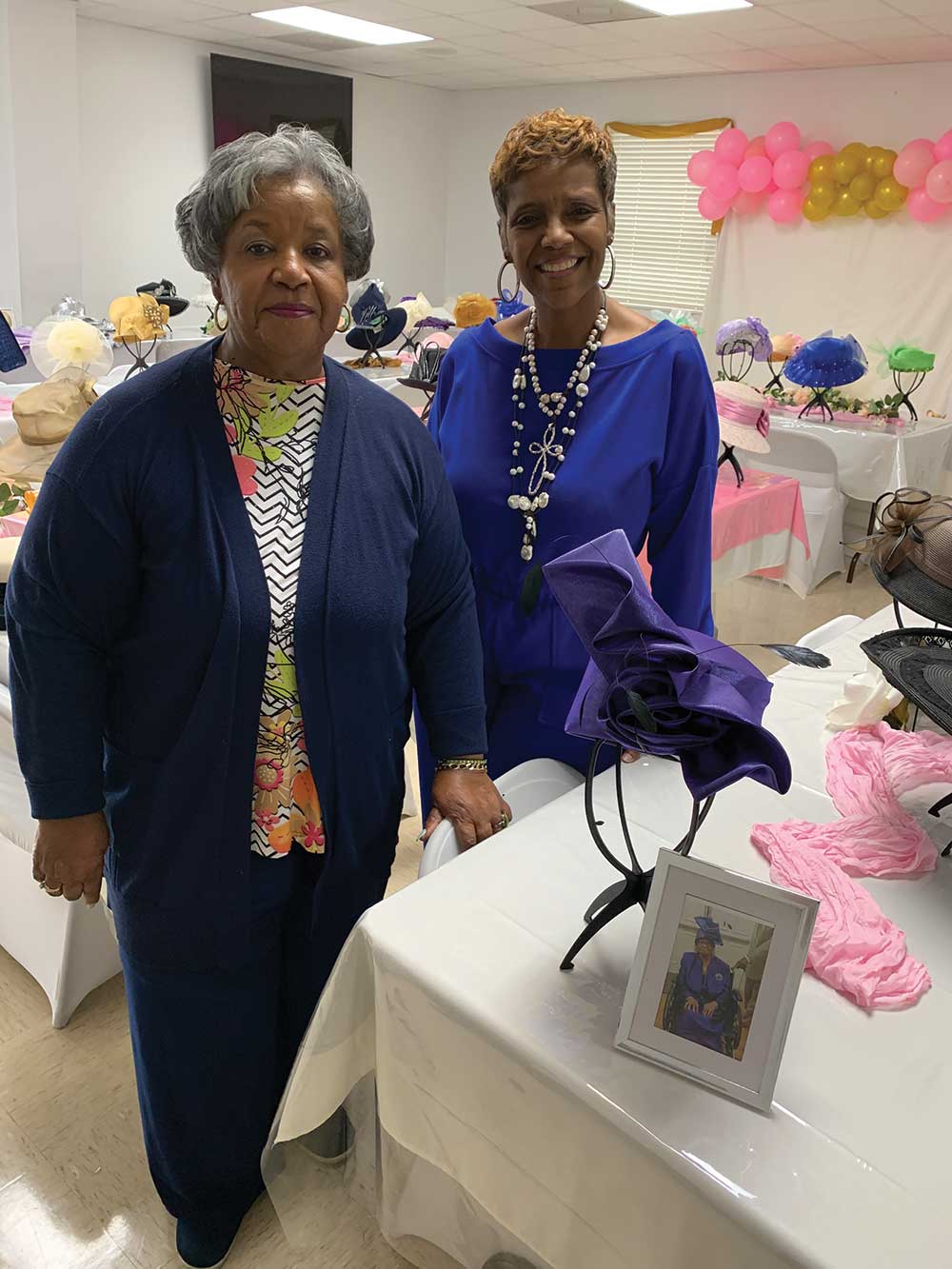
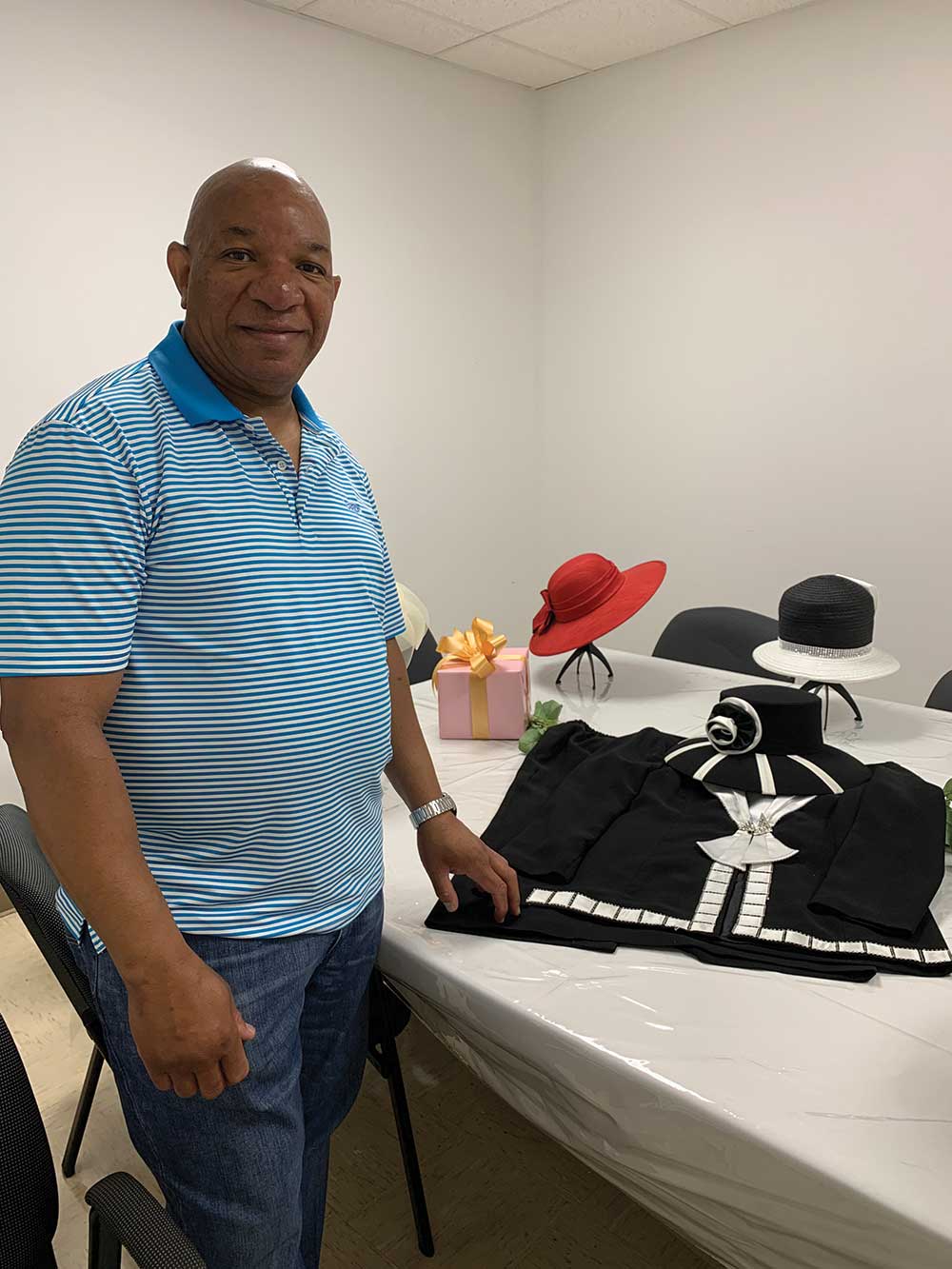
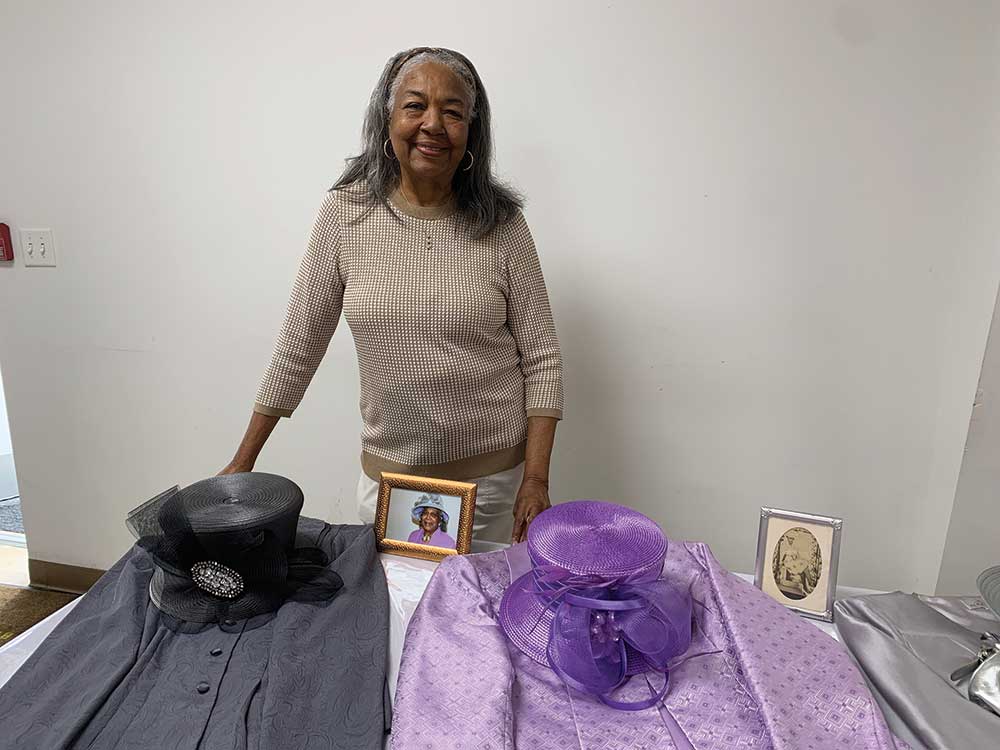
On Feb. 5, the museum will present its third edition of the Breaking Barriers series focusing on the Black community and its place in the city’s history. Headed by Museum Board Member Tonya Forman, its popularity has grown right along with the program itself.

This year’s theme is Education: Foundation for Success and pays tribute to the early Black educators whose guidance and compassion transformed the lives of Pell City students.

St. Clair District Attorney Lyle Harmon takes inaugural flight on simulator at opening

The day’s program, which begins at 11 a.m. features a reception and a film premiere of family and former students of these educators on the legacy of their impact. It will also mark the opening of an expanded Breaking Barriers exhibit.

Opening the next day, Feb. 6, and extending for two weeks until Feb. 21 is an art show by Sundi Hawkins. The show is a continuing series of the museum, giving the art community a home to display their works.

The museum board invested in a hanging system, and the exterior walls of the atrium just outside the museum have already displayed the creations of artist Nettie Bean and her students, a spectacular quilt show and Duran Jr. High’s art show. The quilt show will return in 2026, and more art shows are scheduled.

In December, the museum’s art gallery hosted the wood carvings of Eric Knepper, intricate, creative pieces of artwork crafted by the local artisan.

Upcoming are shows by Penny Arnold, Williams Intermediate students, a return of Nettie Bean and her students and the Helen Keller Foundation Art Show of Alabama.

In November, the museum opened an expansion of its military section and added a flight simulator, which is already drawing crowds of young and old alike. Designed by Jeremy Gossett, the simulator resembles the cockpit of a Boeing aircraft with a curved monitor that displays various flight patterns including Pell City and Logan Martin, Mosul and the French countryside.

The software is highly sophisticated and gives museum visitors a real feel of flight – from takeoff to landing. It was made possible by a special fundraiser providing nearly $7,000 to build and equip it.

In April, just a few days past its third anniversary, the museum is celebrating with the official opening of its long-anticipated model train exhibit – Where It All Began. Headed by retired architect Malcolm Sokol with a team of volunteers – David Smith, Max Jolley, Erik Grieve and Winston Greaves – it took a year to build.

The museum hosted artist Nettie Bean and her students

The 16-foot train runs through a replica of 1920s-30s Pell City and will be surrounded by artifacts, narratives and photos depicting the train’s history in Pell City. After all, that is where it all began – when founder Sumter Cogswell missed his train to Talladega in 1890 and spent the night in what is now Pell City.

Nationally known artist Dirk Walker has donated an original painting of a Pell City train depot that will be used as a fundraiser for the museum.

An evening reception is planned along with tributes to the museum’s volunteers and naming “Volunteer of the Year.”

“We are so humbled by the community support we have been given since our opening,” said President Carol Pappas. Our docents give their time every week to guide visitors through our museum. We could not operate without them, and we are so appreciative of their work.”

Pappas lauded the dedication of the team who built the train, which now will be a centerpiece of the museum’s exhibits. “They met every Monday night for an entire year to assemble each rail of the track, recreate historic buildings from scratch, hand paint and place miniature figures throughout the town and so much more. It is so realistic. It is a must see. We cannot thank them enough.”

She noted that the museum is in the midst of a capital campaign, and businesses and individuals have stepped forward with multi-year sustaining funds. “They are the very foundation of our museum,” Pappas said.

“Recognizing the importance of cultural arts in our community as educational, historical, an enhancement to quality of life and a boost to tourism, the City of Pell City and St. Clair County have been supportive with appropriations over the past three years. Without their support, we could not have come this far.”

When the museum opened in a 4,000 square foot space provided by the City of Pell City, its mission was to preserve and promote the rich history of the city. Billing itself as the “small city museum that thinks big,” in less than three years it has attracted over 5,000 visitors from all over the state, country and points around the world.

It has created innovative, interactive exhibits highlighting the people, places and events that have shaped the city’s history, and the momentum shows no signs of slowing down anytime soon.

In October, the museum will reach back to the city’s real roots – Avondale Mills – with an impressive, interactive exhibition to celebrate and pay tribute to its first industry. Never-before-displayed artifacts, photographs and exhibits will tell the story of those early days along with a special film of oral histories premiering at the opening.

“As they say, we’ve come a long way since then,” Pappas said, “and Museum of Pell City is honored to be able to share that story along with countless others.”