

St. Clair native’s journey to preserve the people, places and memories that built our community
Story by Molly Gilbert
Submitted photos
Sometimes history hides in plain sight.
For St. Clair County native, Austin H. Stone, it was tucked away inside an old iron lockbox hidden in his great-grandfather’s house in Whites Chapel.
After purchasing the home from his grandparents in 2022, Austin was exploring a small area where an old water heater had once been when he made an unexpected discovery. Inside the lockbox were employment records, safety certifications and other documents connected to the Acmar mines – a chapter of local history that had largely faded from public memory.
“I couldn’t believe nobody had looked at this before,” Austin said. “I felt like I was meeting my great-grandfather and learning all about the community I grew up in at the same time.”
That discovery sparked years of research and ultimately led to the publication of The Ghosts of an Empire: The History of the Alabama Fuel and Iron Company in St. Clair County.
But for Austin, the story was never just about coal.
It was about people.
It was about family.
And it was about preserving the stories of his hometown.
Discovering the Story Beneath Familiar Places
Austin grew up surrounded by reminders of the area’s coal-mining past, though he didn’t fully understand what they meant.
Like many local kids, he spent his childhood exploring the woods, riding around town and gathering with friends in familiar places.
“We used to hang out in the old church, but didn’t know it was built by the company,” he said. “We’d see street signs for Acmar Road, but we never really thought much about it.”
As a teenager, Austin admits he was one of many who looked around and thought there wasn’t much worth noticing.
“I was one of those teenagers who said there’s nothing here,” he said.
The lockbox changed that perspective. Suddenly, the places he had known his entire life began revealing a hidden story.
“I didn’t even have a name of the mining company until I found that paperwork,” he said. “It kind of snowballed from there.”
Following the Trail
Austin began digging through newspaper archives and historical records, searching for answers.
Eventually, his research led him to the University of Alabama Libraries Special Collections, where he worked through five archival boxes containing corporate records from the Alabama Fuel and Iron Company.
The deeper he dug, the larger the story became.
At one time, communities such as Whites Chapel, Margaret, Acmar and surrounding mining settlements were part of one of Alabama’s most significant coal-producing regions. The Alabama Fuel and Iron Company grew into one of the state’s largest coal producers, employing generations of local families and helping shape the economy and identity of western St. Clair County.
“It used to be a big deal in our town,” he said. “I couldn’t believe how important they were.”
Austin learned that the company played a significant role in supplying coal during World War II and that entire communities grew around mining operations, supporting schools, churches, homes and businesses.
What surprised him most, however, wasn’t the scale of the industry. It was the sacrifices made by ordinary people.
Appreciating What Came Before
The more Austin learned about his great-grandfather’s life, the more personal the research became.
His great-grandfather spent 25 years working underground in the mines while raising five children – one of whom had special needs – during some of the most challenging years of the 20th century.
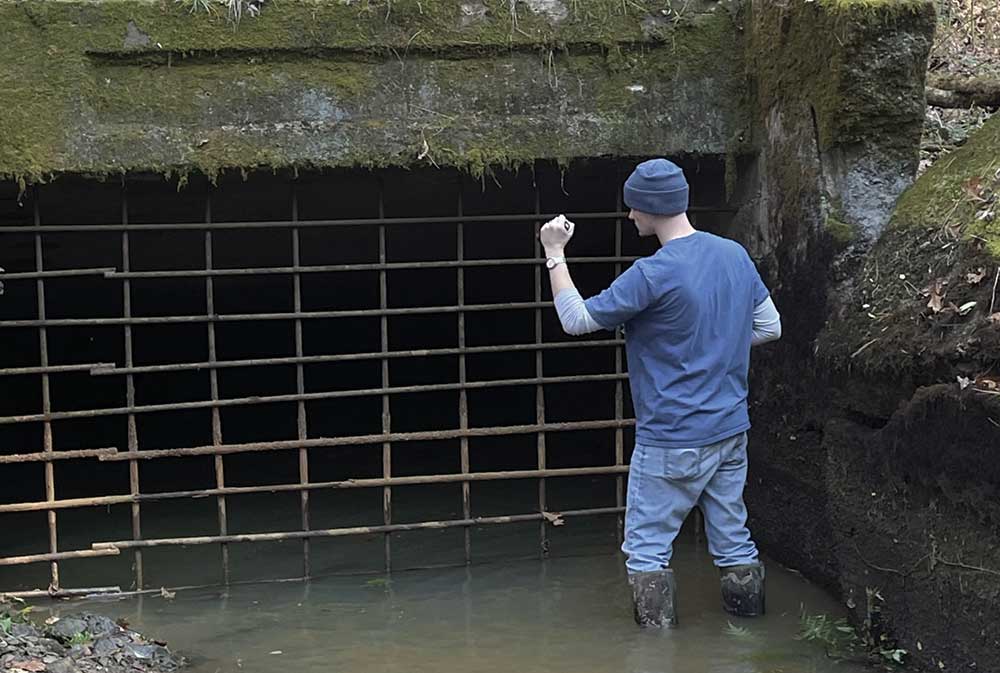
“The more I learned about the Great Depression and what my great-grandfather had to deal with, the more I became really appreciative of all the things he did,” Austin said. “It really brings to the forefront of your mind what it really took to get to where we are today.”
Just as important were the women whose stories often go untold, so Austin made a point of including their contributions in his book. While miners spent long hours underground, wives and mothers were growing food, washing clothes by hand and taking care of the children.
“It wasn’t just the men. They couldn’t have done what they did if the women weren’t keeping everyone fed and taken care of.”
For Austin, these stories offer a new appreciation for previous generations and the obstacles they faced.
It’s an important reminder that the communities we enjoy today were built through countless sacrifices made by people whose names may never appear in history books, but whose impact can still be felt generations later.
Preserving What Could Be Lost
As St. Clair County continues to grow, Austin sees another challenge emerging.
New subdivisions, businesses and developments are transforming parts of the landscape. While growth brings opportunity, it can also erase physical reminders of the past.
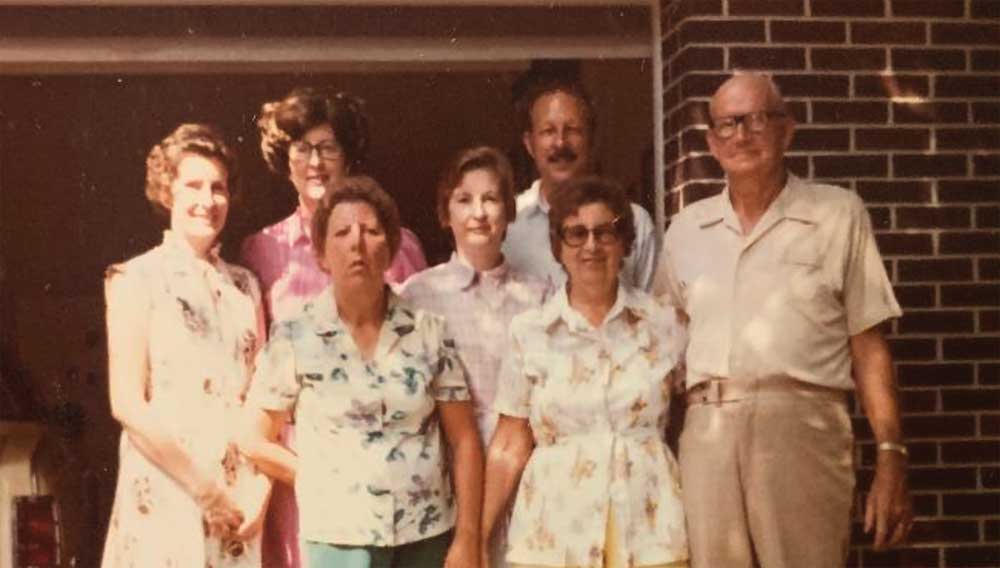
Many historical sites have already disappeared, and others survive only in photographs and memories.
“I have a problem with the way things get lost to history,” Austin said.
That concern became one of the driving forces behind his book. Rather than leaving fragments of stories scattered across archives, newspaper collections and family records, Austin wanted to create a single resource where others could learn about an industry that shaped the area for decades.
“I really wanted to make an even and concise record so anyone can go to one spot and get the information.”
His work continues beyond the pages of the book.
Austin has helped identify individuals in historical photographs, worked with local historians and residents who have shared family artifacts, and is involved in early efforts to establish historical markers connected to significant events in the area’s mining history.
A Gift for Future Generations
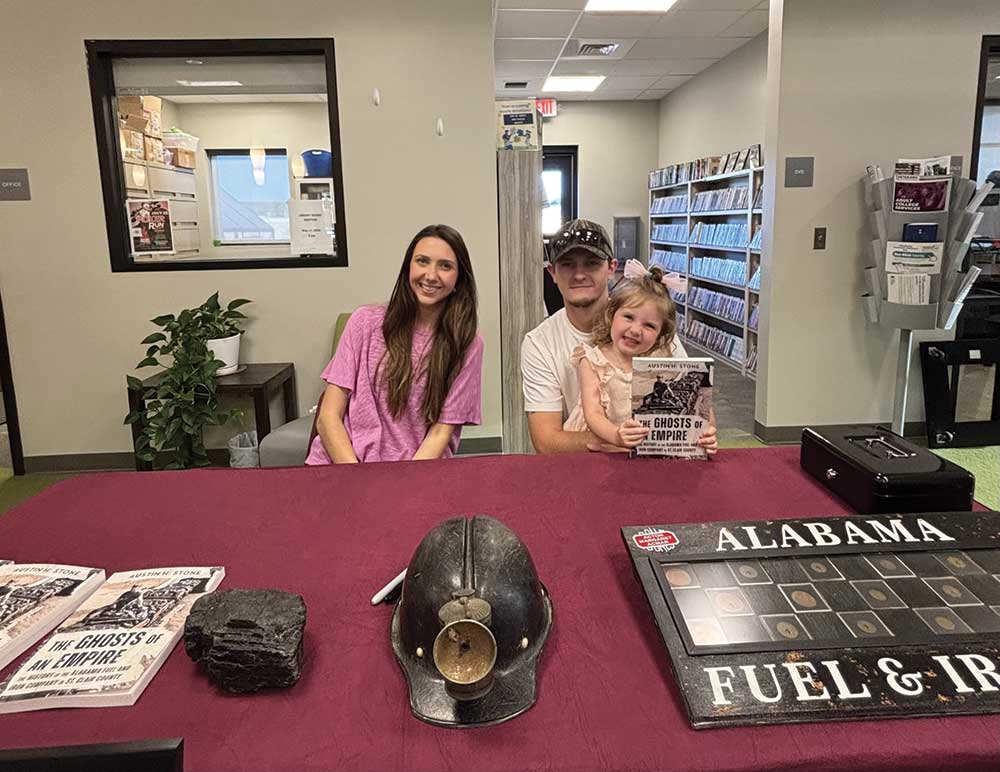
As the father of a young daughter, Austin often thinks about the family members she will never meet. That reality has reinforced his belief that preserving history isn’t something to put off until later. He encourages readers to become historians of their own families, whether it’s a family story, an old photograph tucked into a drawer or memories shared around the dinner table.
“I would encourage people to ask questions of their older relatives while they still can,” Austin said. “If it’s important enough to you to remember, it’s important enough to write it down.”
In many ways, that’s exactly how The Ghosts of an Empire began – with a few forgotten documents, a sense of curiosity and a determination to honor those who came before us.
“The people who built these communities are gone, but their stories don’t have to be,” Austin said. “If we take the time to ask questions, write things down and share what we know, future generations can understand where they came from and what it took to build the places they call home.” l
Editor’s Note: The Ghosts of an Empire: The History of the Alabama Fuel and Iron Company in St. Clair County is available through Amazon. Readers can also follow Austin on Facebook for future author talks and community history presentations as Austin continues sharing the stories he uncovered along the way.